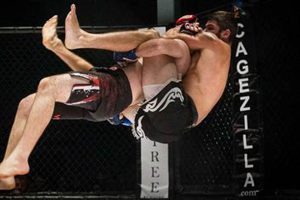
A competitor’s approach within mixed martial arts encompasses a wide range of disciplines, from wrestling and boxing to Brazilian Jiu-Jitsu, Muay Thai, and Judo. A distinctive fighting approach often blends several martial arts, reflecting a fighter’s strengths, training background, and strategic preferences. For instance, a competitor might primarily utilize wrestling takedowns and ground control, while another may favor striking techniques from Muay Thai or boxing. This personalized approach is crucial for success in the multifaceted world of mixed martial arts competition.
Understanding a competitor’s preferred methods provides valuable insights into potential fight outcomes. It influences tactical decisions, training regimens, and even pre-fight psychological preparation. Historically, the evolution of mixed martial arts has seen shifts in dominant approaches, with certain styles gaining prominence and then adapting as counter-strategies emerge. Analyzing these trends informs both fighters and spectators, enhancing appreciation for the intricacies of combat.
This article will delve deeper into the diverse approaches seen in professional mixed martial arts, exploring specific examples and analyzing how they contribute to the dynamic landscape of the sport. Further discussion will cover the impact of training background on an individual’s fighting preferences and the evolution of combat strategies over time.
Tips for Analyzing Fighting Approaches
Effective analysis of a competitor’s approach requires careful observation and consideration of multiple factors. The following tips offer guidance for understanding the nuances of combat within mixed martial arts.
Tip 1: Observe Takedown Attempts: Frequent takedown attempts often indicate a background in wrestling or judo. Analyzing the type of takedowns employed can further reveal specific stylistic influences.
Tip 2: Analyze Striking Patterns: Stance, footwork, and combination preferences can reveal whether a fighter favors boxing, Muay Thai, or other striking disciplines. Look for tendencies like headhunting, bodywork focus, or reliance on leg kicks.
Tip 3: Assess Ground Game: Observe how a competitor controls or escapes from dominant positions. This can indicate proficiency in Brazilian Jiu-Jitsu, wrestling, or other grappling arts.
Tip 4: Consider Defensive Strategies: How a fighter reacts to pressure and defends against strikes and takedowns offers insights into their overall approach and adaptability.
Tip 5: Examine Cardio and Pacing: Some competitors favor aggressive, high-output styles, while others prefer a more measured and calculated pace. This reveals information about their conditioning and strategic approach.
Tip 6: Note Tactical Adjustments: The ability to adapt and adjust strategies mid-fight demonstrates a high level of fight intelligence and can be a key indicator of success.
Tip 7: Research Training Background: Understanding a fighter’s training history and coaches can provide valuable context for their in-cage performance.
By applying these analytical tips, one gains a deeper understanding of the strategic complexities of mixed martial arts, recognizing the significance of individual fighting preferences.
This analysis provides a foundation for informed predictions and a greater appreciation of the diverse range of approaches present within the sport. The following conclusion will summarize the core concepts explored in this article.
1. Striking

Striking forms a cornerstone of mixed martial arts, offering a dynamic pathway to victory through impactful punches, kicks, elbows, and knees. Its significance lies in its potential to finish fights decisively and control distance and pacing. Analyzing striking approaches provides essential insights into a competitor’s overall fighting style and strategic preferences.
- Distance Management
Effective distance management dictates the effectiveness of striking. Fighters like Lyoto Machida, renowned for elusive footwork and precise counter-striking, exemplify the importance of controlling range. This facet of striking dictates engagement opportunities and minimizes vulnerability to counterattacks.
- Power vs. Speed
The balance between power and speed significantly influences striking effectiveness. Heavy hitters like Francis Ngannou prioritize power, aiming for knockouts with every blow, while faster strikers like Jose Aldo utilize speed and volume to overwhelm opponents. This choice shapes training regimens and tactical approaches.
- Combinations and Setups
Strategic combinations and setups create openings for impactful strikes. Fighters like Stephen Thompson, known for his karate-based striking, utilize complex combinations to confuse opponents and land decisive blows. This aspect of striking emphasizes technical proficiency and tactical thinking.
- Defensive Striking
Defensive striking involves parrying, blocking, and slipping punches to mitigate damage and create counterattacking opportunities. Fighters like Floyd Mayweather, though primarily a boxer, demonstrate the importance of defensive striking principles applicable to mixed martial arts. This crucial element often determines a fighter’s survivability and ability to capitalize on opponent openings.
These interwoven facets of striking contribute significantly to a competitor’s overall fighting style. Understanding these nuances provides a deeper appreciation for the strategic complexities of mixed martial arts and the diverse range of approaches employed within the sport. Mastery of striking requires not only physical prowess but also intelligent application tailored to individual strengths and opponent vulnerabilities.
2. Grappling

Grappling, encompassing techniques like submissions, takedowns, and ground control, forms a critical component of a mixed martial arts fighter’s skill set. Its importance lies in its ability to dictate fight location, neutralize striking advantages, and create opportunities for fight-ending submissions. Analyzing grappling proficiency provides crucial insight into a competitor’s overall strategy and potential for success.
- Takedown Offense
Effective takedown offense dictates the ability to bring a fight to the ground, where grappling skills become paramount. Fighters like Khabib Nurmagomedov, renowned for relentless takedowns and dominant ground control, exemplify the importance of initiating grappling exchanges. This facet often sets the stage for subsequent grappling dominance.
- Takedown Defense
Strong takedown defense enables fighters to maintain a preferred fighting range and avoid unfavorable grappling situations. Competitors like Georges St-Pierre, known for exceptional takedown defense, demonstrate the importance of preventing opponents from dictating fight location. This ability significantly influences fight dynamics.
- Ground Control
Ground control refers to the ability to maintain dominant positions and dictate the pace of grappling exchanges. Fighters like Demian Maia, masters of Brazilian Jiu-Jitsu, utilize exceptional ground control to advance positions and secure advantageous submissions. This aspect of grappling often determines the outcome of ground fights.
- Submission Offense and Defense
Submission offense and defense represent the ability to secure fight-ending submissions and prevent being submitted. Fighters like Charles Oliveira, with a record for most submission victories in UFC history, highlight the importance of both offensive and defensive grappling prowess. This facet is crucial for capitalizing on grappling opportunities and avoiding defeat.
These interconnected aspects of grappling demonstrate its importance in shaping a fighter’s overall approach within mixed martial arts. Proficiency in grappling not only provides pathways to victory but also significantly influences strategic decision-making and the ability to control fight dynamics. Its interplay with striking creates a complex and dynamic combat landscape, highlighting the strategic depth of the sport.
3. Wrestling

Wrestling plays a pivotal role in shaping a mixed martial arts fighter’s style. Its influence extends beyond takedowns, impacting control, positioning, and overall fight strategy. Cause and effect relationships between wrestling proficiency and success in mixed martial arts are readily apparent. A strong wrestling background provides a foundation for controlling fight location, dictating the pace of engagements, and neutralizing opponents’ striking advantages. This translates into a higher probability of securing dominant positions, creating opportunities for ground-and-pound, and ultimately, achieving victory. Examples such as Daniel Cormier, a former Olympic wrestler and UFC champion, illustrate the effectiveness of wrestling-centric approaches in mixed martial arts. His ability to control opponents with takedowns and maintain top position proved crucial to his success.
Further emphasizing wrestling’s importance, consider its impact on defensive tactics. Proficient wrestlers possess a heightened awareness of balance and positioning, making them more difficult to take down. This defensive wrestling proficiency allows fighters to stay on their feet and utilize their striking skills, or, if taken down, to quickly regain a favorable position. Conversely, a lack of wrestling proficiency can render a fighter vulnerable to takedowns and subsequent ground control, significantly limiting their offensive options. This disparity highlights the practical significance of understanding wrestling’s role in mixed martial arts. It informs training strategies, opponent analysis, and the development of well-rounded fighting styles.
In summary, wrestling constitutes a fundamental element of a successful mixed martial arts fighter’s arsenal. Its impact spans offensive and defensive tactics, influencing fight control, positioning, and the ability to dictate engagement terms. While other martial arts contribute significantly, wrestling’s influence on dictating where a fight takes placestanding or on the groundoften proves decisive. Recognizing this interconnectedness provides valuable insight into the complexities of mixed martial arts competition and underscores the strategic importance of a strong wrestling foundation.
4. Clinch work

Clinch fighting represents a crucial, often overlooked, aspect of mixed martial arts, significantly influencing a fighter’s overall style and success. This dynamic phase of combat, occurring when fighters are in close proximity but not fully engaged on the ground, bridges striking and grappling. Its strategic importance lies in its potential to control opponents, create takedown opportunities, deliver damaging knee and elbow strikes, and dictate the flow of a fight. A fighter’s approach to clinch work reveals key insights into their overall strategy and adaptability.
Cause and effect relationships within clinch fighting are readily apparent. Effective clinch control often leads to successful takedowns, allowing fighters to leverage ground grappling skills. Conversely, an inability to control the clinch can expose a fighter to devastating knee strikes or takedowns, shifting momentum and potentially leading to defeat. Consider Randy Couture, a former UFC champion renowned for his devastating clinch game. His ability to control opponents in the clinch, deliver damaging knees and elbows, and secure takedowns played a pivotal role in his numerous victories. Conversely, fighters vulnerable in the clinch often struggle to implement their preferred game plans, highlighting the practical significance of mastering this aspect of combat.
Clinch work acts as a critical bridge between striking and grappling. It provides opportunities to transition seamlessly between striking exchanges and takedown attempts, creating a more fluid and adaptable fighting style. Furthermore, effective clinch fighting requires a blend of physical strength, technical proficiency, and strategic awareness. Understanding how a fighter utilizes the clinchwhether to control, strike, or transition to the groundoffers valuable insight into their overall fighting style. This understanding proves crucial for both competitors seeking to improve their skills and analysts evaluating fight dynamics. Clinch fighting represents a complex and dynamic aspect of mixed martial arts, adding a layer of strategic depth often underappreciated by casual observers. Mastering the clinch can provide a decisive edge in competition, further emphasizing its importance within the multifaceted world of mixed martial arts.
5. Movement
Movement forms an integral component of a mixed martial arts fighter’s style, significantly impacting their effectiveness and overall success. Efficient and strategic movement dictates control of distance, creates offensive opportunities, and enhances defensive capabilities. Cause and effect relationships are evident: effective movement creates openings for strikes and takedowns, while poor movement leads to vulnerability and diminished offensive output. The importance of movement as a component of fighting style lies in its ability to dictate the flow and rhythm of combat. Fighters who control distance and angles often control the fight itself.
Consider Dominick Cruz, renowned for his unorthodox and dynamic footwork. His constant movement and unpredictable angles created openings for strikes while simultaneously making him a difficult target. Conversely, fighters with limited mobility often become predictable and easier to hit. This contrast highlights the practical significance of understanding movement’s role in mixed martial arts. Analyzing a fighter’s movement patternsfootwork, head movement, body positioningprovides crucial insights into their strengths, weaknesses, and overall strategic approach. This understanding enables informed predictions and a deeper appreciation for the tactical nuances of the sport. Effective movement is not merely about speed or agility; it’s about intelligent positioning and the ability to control the octagon’s geography.
In summary, movement constitutes a critical element of a successful fighting style. Its impact extends beyond simple evasion; it directly influences offensive and defensive capabilities, shaping the dynamics of combat. A fighter’s movement patterns often reveal their strategic intentions and adaptability. Recognizing this interconnectedness provides valuable insight into the complexities of mixed martial arts competition and underscores the strategic importance of mastering movement.
6. Aggressiveness

Aggressiveness, a multifaceted trait in mixed martial arts, significantly influences a fighter’s style and dictates the pace and tenor of combat. It represents a complex interplay of psychological factors, tactical decisions, and physical execution. Understanding its nuances provides crucial insights into a competitor’s strategic approach and potential for success. Aggressiveness is not merely about relentless forward pressure; it encompasses calculated risk-taking, the willingness to initiate exchanges, and the ability to control the tempo of a fight.
- Forward Pressure and Ring Control
Forward pressure, a hallmark of aggressive fighting styles, forces opponents to react defensively, limiting their offensive options. Fighters like Justin Gaethje, known for relentless forward pressure, exemplify this approach, constantly pushing the pace and dictating the fight’s location. This aggressive tactic often disrupts opponents’ rhythms and creates openings for strikes and takedowns. However, maintaining such pressure requires exceptional conditioning and carries the risk of overextending and becoming vulnerable to counterattacks.
- Calculated Risk-Taking
Aggressiveness often involves calculated risk-taking, such as throwing powerful strikes with the potential for counterattacks or pursuing submissions at the expense of positional advantage. Fighters like Brian Ortega, known for high-risk, high-reward submissions, embody this approach, capitalizing on opportunities even in precarious positions. This facet of aggressiveness requires a keen understanding of risk assessment and a willingness to gamble for potentially fight-ending maneuvers. However, miscalculated risks can lead to significant setbacks.
- Dictating the Pace and Tempo
Aggressive fighters often control the pace and tempo of a fight, forcing opponents to adapt to their rhythm. Fighters like Max Holloway, known for high-volume striking and relentless pressure, exemplify this approach, overwhelming opponents with a constant barrage of attacks. This tactic requires exceptional cardio and the ability to maintain a high output throughout a fight. However, this relentless pace can also lead to fatigue if not managed effectively.
- Exploiting Openings and Capitalizing on Mistakes
Aggressive fighters excel at exploiting openings and capitalizing on opponents’ mistakes. This opportunistic approach often leads to decisive finishes and demonstrates an ability to adapt and react quickly to changing circumstances. Fighters like Conor McGregor, with his precise counter-striking and ability to capitalize on opponent errors, illustrate this aggressive trait. This reactive aggressiveness requires keen observation, quick reflexes, and the ability to deliver decisive blows when opportunities arise.
These interconnected facets of aggressiveness highlight its complex role in shaping a fighter’s style. While often associated with relentless forward pressure, aggressiveness encompasses calculated risk-taking, tempo control, and opportunistic exploitation of opponent vulnerabilities. Understanding these nuances provides a deeper appreciation for the strategic depth of mixed martial arts and the diverse ways in which aggressiveness manifests within the sport. Its effective application requires not only physical prowess but also a tactical mind capable of assessing risk and capitalizing on fleeting opportunities.
7. Defensive Prowess
Defensive prowess constitutes a critical, yet often undervalued, component of a successful mixed martial arts fighting style. It represents more than just blocking punches or avoiding takedowns; it encompasses a fighter’s ability to mitigate damage, control distance, create counter-offensive opportunities, and ultimately, dictate the flow of a fight. Cause and effect relationships are readily apparent: strong defensive skills directly correlate with reduced damage absorption and increased fight longevity, while defensive vulnerabilities often lead to early defeats. The importance of defensive prowess as a component of fighting style lies in its ability to create a foundation for both offensive success and long-term career sustainability.
Consider Floyd Mayweather Jr., a boxing legend whose defensive mastery translated seamlessly into aspects of mixed martial arts. His unparalleled ability to slip punches, roll with shots, and maintain defensive positioning allowed him to minimize damage and capitalize on opponent errors. While not a mixed martial artist in the traditional sense, his defensive principles hold significant relevance. Conversely, fighters with porous defenses often find themselves overwhelmed by aggressive opponents, unable to implement their offensive strategies. This contrast highlights the practical significance of understanding defensive prowess in mixed martial arts. Analyzing a fighter’s defensive tacticshead movement, footwork, guard positioning, takedown defenseprovides crucial insights into their overall fight IQ and adaptability. This understanding enables more accurate predictions of fight outcomes and a deeper appreciation for the strategic nuances often overlooked by casual observers.
In summary, defensive prowess represents a cornerstone of a well-rounded and successful mixed martial arts fighting style. Its impact extends beyond mere survival; it directly influences offensive opportunities, fight longevity, and the ability to dictate engagement terms. A fighter’s defensive capabilities often serve as a reliable indicator of their overall skill level and potential for long-term success. Recognizing this interconnectedness provides valuable insight into the complexities of mixed martial arts competition and underscores the strategic importance of cultivating robust defensive skills.
Frequently Asked Questions about MMA Fighter Styles
This section addresses common inquiries regarding the diverse fighting styles found within mixed martial arts. Understanding these nuances provides a deeper appreciation for the strategic complexities of the sport.
Question 1: How does a fighter’s background in a specific martial art influence their MMA style?
A fighter’s background often serves as the foundation of their MMA style. Wrestlers often prioritize takedowns and ground control, while strikers from disciplines like boxing or Muay Thai tend to favor stand-up exchanges. However, successful fighters often integrate techniques from multiple disciplines to create a well-rounded and adaptable approach.
Question 2: What are the key differences between a striker and a grappler in MMA?
Strikers primarily focus on delivering impactful punches, kicks, elbows, and knees, aiming to finish fights via knockout or TKO. Grapplers, conversely, specialize in takedowns, ground control, and submissions, seeking to dominate opponents on the ground and secure submissions. However, the most effective fighters often blend both striking and grappling effectively.
Question 3: How important is adaptability in MMA?
Adaptability is crucial for success in MMA. Fighters must be able to adjust their strategies mid-fight based on their opponent’s strengths and weaknesses. The ability to transition seamlessly between striking and grappling, and to defend against both, is essential for victory.
Question 4: Can a fighter be successful in MMA by specializing in only one martial art?
While early MMA saw some success with specialists, modern MMA demands a more well-rounded skill set. A fighter relying solely on one discipline becomes predictable and vulnerable to opponents proficient in other areas. Integrating multiple martial arts maximizes effectiveness and adaptability.
Question 5: How does fight analysis contribute to understanding MMA styles?
Careful fight analysis reveals patterns in a fighter’s approach, including their preferred striking range, grappling tendencies, and defensive strategies. This analysis provides valuable insights into their strengths and weaknesses, enabling more informed predictions and a deeper understanding of their overall fighting style.
Question 6: What are some common misconceptions about MMA fighter styles?
A common misconception is that aggressive fighters always have an advantage. While aggression can be effective, it must be coupled with strategic intelligence and defensive awareness. Overly aggressive fighters often leave themselves open to counterattacks and can be susceptible to more patient and calculated opponents.
Understanding the nuances of individual fighting styles enhances appreciation for the strategic intricacies of mixed martial arts. While certain approaches may prove more effective in specific matchups, adaptability and a well-rounded skill set remain paramount for sustained success within the sport.
The following section will explore the evolution of MMA fighting styles over time.
MMA Fighter Style
This exploration of mixed martial arts fighter styles has highlighted the multifaceted nature of combat within the sport. From striking and grappling to wrestling, clinch work, movement, aggressiveness, and defensive prowess, each component contributes to a fighter’s unique approach. Understanding these elements provides valuable insight into the strategic complexities of mixed martial arts, allowing for a deeper appreciation of individual strengths, weaknesses, and tactical preferences. The analysis offered here emphasizes the importance of adaptability and a well-rounded skillset in achieving sustained success within the ever-evolving landscape of professional mixed martial arts competition.
The continued evolution of mixed martial arts promises further refinement and diversification of fighting styles. As the sport progresses, the interplay between these elements will undoubtedly lead to new and innovative approaches to combat, demanding continuous adaptation and strategic refinement from competitors. This dynamic nature ensures the ongoing intrigue and excitement of mixed martial arts, offering a constant source of analysis and a testament to the ever-evolving nature of human combat.