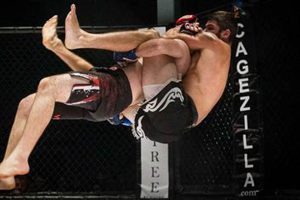
Entering the world of mixed martial arts competition involves a multifaceted journey requiring dedication, discipline, and a strategic approach. This process typically begins with finding a reputable gym offering MMA-specific training. Such training encompasses diverse martial arts disciplines including, but not limited to, wrestling, Brazilian Jiu-Jitsu, Muay Thai, and boxing. Aspiring fighters must develop proficiency in striking, grappling, and takedowns, alongside honing their overall fitness and conditioning.
The rigorous training regimen required to compete in MMA offers numerous benefits beyond the cage. It cultivates physical strength and endurance, enhances mental resilience and discipline, and fosters a deep understanding of self-defense. Historically, MMA evolved from various combat sports traditions, eventually coalescing into the unified sport recognized today. This evolution has led to a heightened focus on well-rounded skill sets, making comprehensive training crucial for competitive success.
This article will further explore key aspects of entering the competitive MMA landscape. Topics covered will include selecting the right training environment, understanding the importance of proper nutrition and recovery, navigating amateur competitions, and the eventual transition to professional fighting. Additionally, resources for aspiring fighters will be provided, offering guidance on finding coaches, gyms, and other essential support systems.
Tips for Entering Mixed Martial Arts Competition
This section offers practical guidance for individuals pursuing a career in professional MMA. These tips encompass crucial elements for success, from initial training to long-term career management.
Tip 1: Research and Select a Reputable Gym: The foundation of a successful MMA career rests on proper training. Thoroughly investigate local gyms, focusing on coaching credentials, available disciplines, and the overall training environment. A gym with experienced coaches and a supportive atmosphere is essential for development.
Tip 2: Embrace a Multi-Disciplinary Approach: MMA requires proficiency in multiple martial arts. Focus on developing a well-rounded skill set encompassing striking, grappling, and takedowns. Prioritizing one discipline while neglecting others can create significant vulnerabilities.
Tip 3: Prioritize Strength and Conditioning: Physical fitness is paramount in MMA. Incorporate a comprehensive strength and conditioning program that enhances cardiovascular endurance, muscular strength, and overall athleticism. This will improve performance and reduce the risk of injury.
Tip 4: Focus on Consistent Training and Skill Development: Progress in MMA requires dedicated, consistent training. Regular attendance and active participation in all training sessions are vital for ongoing skill development and improvement.
Tip 5: Maintain Proper Nutrition and Recovery: Fueling the body correctly is crucial for optimal performance and recovery. Adopt a balanced diet tailored to the demands of training and ensure adequate rest and recovery between intense sessions. Neglecting these aspects can hinder progress and increase injury risk.
Tip 6: Gain Experience in Amateur Competitions: Amateur bouts provide valuable experience and allow fighters to test their skills in a competitive environment before transitioning to the professional circuit. This provides opportunities to refine techniques and develop fight strategies.
Tip 7: Seek Professional Management and Guidance: As a fighter progresses, seeking professional management becomes increasingly important. Managers can handle logistical aspects, negotiate contracts, and provide guidance on career development, allowing the athlete to focus on training and competition.
By adhering to these guidelines, aspiring fighters can establish a solid foundation for a successful MMA career. The combination of dedicated training, strategic planning, and professional guidance maximizes the potential for long-term success within this demanding sport.
In concluding this exploration of entering the world of MMA competition, it is crucial to reiterate the commitment and dedication required for success. The path to becoming a professional MMA fighter is challenging, yet incredibly rewarding for those willing to embrace the journey.
1. Find a Reputable Gym.

The pursuit of a mixed martial arts career hinges on proper training, making the selection of a reputable gym the crucial first step. This choice significantly impacts skill development, fighting style, and long-term success. A suitable training environment provides the foundation for a fighter’s entire journey.
- Coaching Expertise:
Qualified coaches with proven track records are essential. Their experience guides technical development, strategic planning, and personalized training regimens. A coach’s understanding of diverse martial arts disciplines and competitive fighting provides the necessary framework for a fighter’s growth. Look for gyms with coaches who have demonstrable experience in producing successful amateur or professional fighters.
- Training Environment and Culture:
A positive and supportive training environment fosters growth and motivation. Observe gym culture during trial sessions. Look for respectful interactions between coaches and students, a strong sense of camaraderie, and a focus on safety. A conducive learning atmosphere maximizes training effectiveness and promotes long-term commitment.
- Available Disciplines and Resources:
MMA necessitates proficiency in multiple disciplines. Gyms offering instruction in various martial arts wrestling, Brazilian Jiu-Jitsu, Muay Thai, boxing provide a well-rounded skill set. Access to appropriate training equipment, such as a fully equipped cage or ring, is also essential for realistic fight preparation. Consider gyms with specialized classes and resources aligned with individual training goals.
- Gym Reputation and Track Record:
Research a gym’s reputation within the MMA community. Online reviews, testimonials from current or former members, and the competitive success of fighters trained at the gym offer valuable insights. A gym with a strong track record of producing successful competitors often reflects high-quality coaching and effective training programs.
Careful consideration of these factors ensures selection of a training environment conducive to growth and success. A reputable gym provides the necessary structure, guidance, and resources to navigate the complexities of MMA training and ultimately compete effectively. This foundational step sets the stage for a fighter’s entire career trajectory within this demanding sport.
2. Train Consistently.

Consistent training forms the bedrock of progress in mixed martial arts. It represents the practical application of learned techniques, the development of fighting instincts, and the conditioning of the body to withstand the rigors of competition. This sustained effort directly correlates with improved skill execution, enhanced strategic thinking, and increased physical resilience. The absence of consistent training leads to stagnation, skill degradation, and decreased competitive viability. Consider the trajectories of successful MMA fighters; their documented training regimens highlight the emphasis on consistent, dedicated practice. This commitment allows for the gradual refinement of techniques, the development of fight-specific strategies, and the cultivation of the mental fortitude required for competitive success. The connection between consistent training and successful entry into MMA fighting is undeniable.
Consistent training translates to more than just skill acquisition; it fosters adaptability and resilience. Regular sparring sessions, for instance, allow fighters to practice techniques against resisting opponents, developing the ability to adapt to dynamic combat situations. Repeated drilling ingrains muscle memory, enabling fighters to execute techniques instinctively under pressure. Furthermore, consistent training reinforces discipline and mental toughness, crucial attributes for navigating the challenges inherent in both training and competition. These qualities contribute significantly to a fighter’s overall preparedness and ability to perform effectively under duress.
In summary, consistent training is not merely a component of entering MMA fighting; it is the cornerstone upon which success is built. It fosters skill development, cultivates mental fortitude, and builds the physical conditioning required to compete effectively. The dedication to consistent training separates aspiring fighters from those who ultimately succeed within the demanding landscape of mixed martial arts. This understanding provides a practical framework for aspiring fighters, emphasizing the critical importance of sustained effort and dedicated practice in achieving their competitive goals. Consistent training, therefore, represents the practical embodiment of the dedication and commitment required for success in MMA.
3. Develop Diverse Skills.

Developing a diverse skill set is integral to success in mixed martial arts. MMA, by definition, incorporates techniques from various combat disciplines. A fighter limited to a single discipline faces significant disadvantages against well-rounded opponents. The ability to seamlessly transition between striking, grappling, and takedowns dictates the flow of combat and creates opportunities for offensive maneuvers. A fighter proficient in Brazilian Jiu-Jitsu, for example, might excel on the ground but struggle against an opponent with superior striking skills. Conversely, a skilled striker might be vulnerable to takedowns and submissions from a grappler. Therefore, cultivating proficiency in a range of disciplines is paramount for competitive viability. Consider Georges St-Pierre, a former UFC champion renowned for his well-rounded abilities. His mastery of wrestling, boxing, and Brazilian Jiu-Jitsu allowed him to control fights in various ranges, ultimately leading to his dominance in the welterweight division.
The practical significance of diverse skills extends beyond simply neutralizing opponents’ strengths. It allows fighters to dictate the pace and location of engagements, maximizing their own advantages. A fighter comfortable both striking and grappling can choose the most advantageous range of combat, forcing opponents to fight on unfamiliar terms. This adaptability creates openings for offensive maneuvers and reduces vulnerability to counterattacks. Furthermore, a diverse skill set enhances a fighter’s ability to adapt to evolving fight dynamics. If a primary strategy proves ineffective, a well-rounded fighter can seamlessly transition to alternative approaches, maintaining offensive pressure and increasing the likelihood of victory. This tactical flexibility distinguishes successful fighters from those limited by a narrow skill set.
In conclusion, the development of diverse skills is not merely a recommendation but a requirement for success in MMA. It provides the tactical adaptability, offensive versatility, and defensive resilience necessary to compete at the highest levels. The ability to seamlessly integrate techniques from various disciplines empowers fighters to dictate fight dynamics, capitalize on opponent vulnerabilities, and navigate the complex and ever-changing landscape of mixed martial arts combat. This understanding underscores the fundamental importance of comprehensive training and skill development for any individual seeking to enter the world of MMA fighting.
4. Prioritize Conditioning.

Prioritizing physical conditioning represents a non-negotiable element within the multifaceted process of entering mixed martial arts competition. MMAs demanding nature requires athletes to possess exceptional cardiovascular endurance, muscular strength, and explosive power. These physical attributes underpin a fighter’s ability to execute techniques effectively, maintain offensive pressure, and withstand the physical demands of a bout. A fighter lacking adequate conditioning will likely fatigue quickly, compromising technique, diminishing power, and increasing vulnerability to an opponent’s attacks. Consider the demanding five-round championship bouts in professional organizations like the UFC; these contests often showcase the stark difference between well-conditioned athletes and those who have neglected this crucial aspect of training. Fighters renowned for their exceptional conditioning, such as former lightweight champion Khabib Nurmagomedov, demonstrate the strategic advantage conferred by superior physical preparedness.
The practical significance of prioritizing conditioning extends beyond simply enduring the duration of a fight. Enhanced cardiovascular fitness allows fighters to maintain a higher work rate, applying consistent pressure and overwhelming opponents with volume. Muscular strength and power translate directly into more impactful strikes, more effective takedowns, and greater control in grappling exchanges. Moreover, robust conditioning enhances a fighter’s ability to absorb strikes and recover quickly, mitigating the effects of impactful blows. This resilience allows fighters to remain competitive even after sustaining significant damage, increasing their chances of victory in grueling contests. The connection between physical conditioning and success in MMA is demonstrable through statistical analysis of fight outcomes; studies often reveal a correlation between superior conditioning metrics and higher win percentages.
In conclusion, prioritizing conditioning is not merely a suggestion but a prerequisite for anyone seeking to enter MMA fighting. It forms the foundation upon which technical skill, tactical acumen, and mental fortitude are built. The ability to maintain peak physical performance throughout a bout dictates a fighter’s ability to execute strategies, withstand adversity, and ultimately achieve victory. This understanding emphasizes the crucial role of a comprehensive strength and conditioning program in the overall development of a mixed martial artist and provides a practical framework for aspiring fighters to prioritize this essential component of their training regimen. Ignoring the importance of conditioning severely limits a fighter’s potential and jeopardizes their chances of success in the demanding world of MMA.
5. Gain Amateur Experience.

Gaining amateur experience represents a crucial stepping stone in the journey toward professional MMA competition. This phase allows aspiring fighters to test their skills, develop fight strategies, and acclimate to the pressures of competition without the heightened stakes of professional bouts. It serves as a proving ground where technical skills are honed, mental fortitude is forged, and fight IQ is developed. The amateur circuit provides invaluable lessons and practical experience that directly contribute to a fighter’s overall preparedness for the professional arena.
- Skill Refinement Under Pressure:
Sparring sessions, while essential, offer a controlled environment. Amateur bouts introduce the unpredictable dynamics of live competition, forcing fighters to adapt and apply techniques under pressure. This real-world application reveals technical weaknesses, highlights areas for improvement, and accelerates the development of effective fight strategies. A fighter might discover, for instance, that a favored takedown technique practiced extensively in the gym proves less effective against a resisting opponent in a live competition.
- Strategic Development and Adaptation:
Amateur fights provide a platform to test and refine fight strategies. Developing a game plan and adapting it in real-time against a live opponent are essential skills honed in the amateur arena. A fighter may plan to utilize a predominantly striking approach but discover the need to adapt to an opponent’s superior grappling skills mid-fight, necessitating a shift to a more defensive, counter-striking strategy.
- Mental Fortitude and Emotional Regulation:
The pressure of competition evokes emotional responses that can impact performance. Amateur bouts offer opportunities to manage pre-fight anxiety, control emotions during the fight, and maintain composure under duress. Experiencing the adrenaline rush of a live fight and learning to control it are critical for developing the mental resilience necessary for professional competition. A fighter might experience overwhelming anxiety before their first few amateur bouts but gradually learn to manage these emotions through pre-fight routines and mental exercises.
- Building a Competitive Record and Gaining Exposure:
A successful amateur record demonstrates commitment and potential to prospective coaches, managers, and promoters. These bouts provide opportunities to showcase skills, build a network within the MMA community, and gain exposure to potential future opportunities. A string of impressive amateur victories can attract the attention of professional organizations and accelerate a fighter’s transition to the professional ranks.
These facets of amateur competition collectively contribute to a fighter’s overall development and preparedness for the professional realm. Gaining amateur experience is not merely a recommended step but a crucial component of the journey toward professional MMA. It provides the necessary bridge between training and professional competition, allowing fighters to hone their skills, refine their strategies, and cultivate the mental fortitude required to succeed in the high-stakes world of professional fighting. This practical experience serves as an invaluable asset, significantly increasing the likelihood of long-term success within the demanding landscape of mixed martial arts.
6. Seek Professional Guidance.

Seeking professional guidance forms an integral component of navigating the complex path toward a career in mixed martial arts. The multifaceted nature of MMA necessitates expertise beyond self-training. Experienced managers, coaches, and other professionals within the industry offer invaluable insights, resources, and support crucial for long-term success. Their guidance assists fighters in making informed decisions regarding training regimens, career progression, and navigating the business aspects of the sport. This support system proves particularly critical during the transition from amateur to professional competition. Consider the career trajectory of successful fighters; many attribute their achievements to the guidance received from experienced professionals who provided strategic direction and facilitated connections within the industry. This mentorship often differentiates those who achieve sustained success from those whose careers stagnate due to lack of proper guidance.
The practical significance of seeking professional guidance manifests in several key areas. Experienced managers, for instance, handle contract negotiations, secure sponsorship opportunities, and manage public relations, allowing fighters to focus on training and competition. Coaches provide personalized training programs tailored to individual strengths and weaknesses, maximizing skill development and optimizing fight preparation. Nutritionists and strength and conditioning coaches contribute to physical development, ensuring fighters possess the necessary physical attributes for peak performance. Furthermore, professional guidance mitigates risks associated with navigating the complex business landscape of professional fighting. Managers adept at contract negotiation secure favorable terms for their clients, protecting their financial interests and ensuring fair compensation for their efforts. This support proves invaluable in an industry where athletes often lack the business acumen to effectively manage their own careers.
In conclusion, seeking professional guidance represents not merely a recommendation but a critical element for individuals pursuing a career in mixed martial arts. The complexities of the sport, combined with the intricate business landscape of professional fighting, necessitate expert guidance to navigate the path effectively. Experienced professionals provide the necessary support, resources, and strategic direction to maximize a fighter’s potential and achieve long-term success. This understanding underscores the fundamental importance of seeking professional guidance as an integral component of “how one gets into MMA fighting,” highlighting its role in optimizing training, managing career progression, and navigating the multifaceted challenges inherent in this demanding sport.
7. Maintain Disciplined Lifestyle.

Maintaining a disciplined lifestyle represents a cornerstone of success in mixed martial arts. It encompasses a holistic approach to physical and mental well-being, encompassing meticulous attention to nutrition, recovery, and lifestyle choices. This disciplined approach underpins a fighter’s ability to train effectively, recover optimally, and perform at peak levels. It differentiates those who achieve sustained success from those whose careers are hampered by inconsistency and lack of commitment. This dedication extends beyond the gym, influencing daily choices that directly impact performance and long-term career prospects within this demanding sport.
- Nutrition and Diet:
Proper nutrition fuels optimal training and recovery. A disciplined dietary regimen, tailored to the specific demands of MMA training, provides the necessary macronutrients and micronutrients for energy production, muscle growth, and repair. Neglecting nutritional requirements compromises performance, hinders recovery, and increases susceptibility to injury. Consuming a balanced diet rich in lean protein, complex carbohydrates, and healthy fats supports the intense physical demands of MMA training. Conversely, a diet lacking essential nutrients can lead to decreased energy levels, impaired muscle recovery, and increased risk of injury.
- Rest and Recovery:
Adequate rest and recovery are essential for mitigating the physical and mental stress of intense training. Disciplined adherence to recovery protocols, including sleep hygiene, active recovery methods, and stress management techniques, allows the body to repair and rebuild, maximizing training adaptations and minimizing injury risk. Ignoring the importance of recovery can lead to overtraining, burnout, and increased susceptibility to injuries. Prioritizing sleep, incorporating active recovery methods like stretching and low-intensity exercise, and managing stress through relaxation techniques contribute to a fighter’s overall well-being and ability to train consistently at a high level.
- Weight Management:
Maintaining a healthy weight within a designated weight class requires disciplined dietary habits and a commitment to regular exercise. Fluctuations in weight can negatively impact performance and create disadvantages during competition. Disciplined weight management allows fighters to compete at their optimal weight class, maximizing strength, speed, and endurance. Failing to manage weight effectively can result in performance decrements and compromise a fighter’s ability to compete effectively against opponents in their optimal weight class.
- Lifestyle Choices:
Avoiding detrimental habits such as excessive alcohol consumption, smoking, and recreational drug use are paramount for maintaining peak physical condition. These lifestyle choices negatively impact cardiovascular health, respiratory function, and overall physical performance, hindering a fighter’s ability to train and compete effectively. Disciplined lifestyle choices demonstrate a commitment to maximizing athletic potential and optimizing long-term health and well-being, crucial factors for a successful MMA career.
These interconnected facets of a disciplined lifestyle collectively contribute to a fighter’s overall preparedness and competitive viability. They represent the foundational elements that support effective training, optimal recovery, and peak performance. Neglecting these aspects undermines a fighter’s potential, increasing the likelihood of injury, burnout, and ultimately, hindering their chances of success within the demanding world of mixed martial arts. Maintaining a disciplined lifestyle, therefore, is not simply a recommendation but a fundamental requirement for individuals seeking to enter and excel in MMA fighting. It represents the embodiment of the dedication, commitment, and resilience essential for navigating the multifaceted challenges of this demanding sport.
Frequently Asked Questions about Entering MMA
This section addresses common inquiries regarding the process of entering mixed martial arts competition. The responses provide practical insights and guidance for individuals considering this demanding yet rewarding pursuit.
Question 1: What is the ideal age to begin MMA training?
While individuals can begin training at various ages, the optimal starting point often depends on individual goals. Those aspiring to professional careers might benefit from commencing training in their late teens or early twenties. However, individuals of any age can benefit from MMA training for fitness, self-defense, and personal development.
Question 2: What are the essential physical attributes required for MMA?
Success in MMA necessitates a combination of strength, endurance, flexibility, and agility. While specific physical attributes might be advantageous in certain disciplines, overall athleticism contributes significantly to a fighter’s ability to train effectively and compete successfully.
Question 3: How long does it typically take to become a proficient MMA fighter?
The timeline for proficiency varies depending on individual aptitude, training frequency, and coaching quality. Generally, individuals can expect to develop a foundational skill set within a few years of consistent training. However, achieving a high level of proficiency requires ongoing dedication and years of consistent practice.
Question 4: What are the primary costs associated with MMA training?
Costs associated with MMA training include gym memberships, coaching fees, equipment purchases, and potential travel expenses for competitions. These costs vary based on gym location, coaching reputation, and the frequency of training and competition.
Question 5: How can one identify a reputable MMA gym?
Selecting a reputable gym requires thorough research. Factors to consider include coaching credentials, available disciplines, training environment, and the gym’s reputation within the MMA community. Observing training sessions and speaking with current members provide valuable insights into a gym’s suitability.
Question 6: What are the common misconceptions about MMA training?
One common misconception portrays MMA as an excessively violent or dangerous activity. While inherently combative, reputable MMA gyms prioritize safety and implement stringent rules to minimize injury risk. Another misconception assumes a background in other martial arts is prerequisite for starting MMA training. Many gyms welcome beginners with no prior martial arts experience.
This FAQ section provides a foundational understanding of entering the world of MMA. Further research and consultation with experienced professionals within the MMA community can provide additional insights tailored to individual circumstances.
The subsequent sections of this article will delve deeper into specific training methodologies, nutritional strategies, and career development pathways within the dynamic landscape of mixed martial arts.
Conclusion
The path to entering mixed martial arts competition requires a multifaceted approach encompassing dedicated training, strategic planning, and unwavering commitment. This exploration has highlighted key components of this journey, from selecting a reputable gym and developing a diverse skill set to prioritizing physical conditioning and gaining crucial amateur experience. The significance of professional guidance and maintaining a disciplined lifestyle has also been underscored as integral to long-term success within this demanding sport. The information presented serves as a practical roadmap for aspiring fighters, outlining the necessary steps and considerations involved in pursuing a career in MMA.
The decision to enter MMA competition represents a commitment to a challenging yet rewarding pursuit. Success within this demanding arena requires not only physical prowess but also mental resilience, strategic thinking, and unwavering dedication. For those willing to embrace the rigorous training, disciplined lifestyle, and inherent challenges of the sport, the potential rewards extend beyond the cage, fostering personal growth, self-discovery, and the realization of one’s full potential.