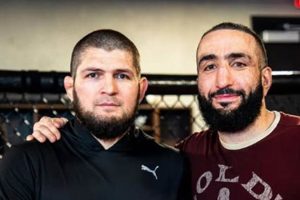
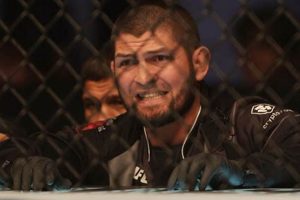
The distinctive, flattened appearance of a wrestler’s ears, often called “cauliflower ear,” results from repeated trauma. This trauma, common in grappling-based combat sports like mixed martial arts and wrestling, causes hematomas and fluid buildup between the cartilage and the skin. If left untreated, this fluid solidifies, leading to a permanent alteration of the ear’s shape. The characteristic appearance is particularly associated with prominent wrestlers like Khabib Nurmagomedov, whose success has brought increased attention to this physical feature.
While sometimes viewed as a badge of honor, signifying dedication and experience in grappling sports, cauliflower ear can have negative consequences. It can cause pain, discomfort, and even hearing difficulties if the ear canal becomes blocked. Preventive measures such as wearing headgear and promptly draining accumulated fluid can mitigate the risk of developing this condition. Historically, cauliflower ear has been prevalent amongst wrestlers across various cultures, further solidifying its connection to the sport.
This condition highlights the physical demands and potential risks associated with combat sports. Understanding its causes, consequences, and prevention is crucial for both athletes and enthusiasts. Further exploration into protective gear, proper treatment protocols, and the broader impact of cauliflower ear within the sporting community will provide a more complete understanding of this phenomenon.
Preventing Cauliflower Ear
Minimizing the risk of developing cauliflower ear requires proactive measures and diligent care. The following tips offer guidance on preventing this condition common in grappling sports.
Tip 1: Wear Protective Headgear: Consistent use of properly fitted headgear during training and competition significantly reduces the risk of trauma to the ears. Select headgear specifically designed for wrestling or grappling.
Tip 2: Learn Proper Technique: Correct grappling techniques minimize unnecessary friction and impact on the ears. Training with experienced coaches and partners can improve technique and reduce risk.
Tip 3: Address Trauma Immediately: If ear trauma occurs, apply ice and compression as soon as possible to minimize swelling and bleeding. Seek medical attention promptly.
Tip 4: Drain Accumulated Fluid: Medical professionals can drain fluid buildup within the ear to prevent solidification and permanent deformation. Follow medical advice regarding drainage and aftercare.
Tip 5: Monitor and Manage Swelling: Continue to monitor swelling even after initial treatment. Follow medical advice regarding ongoing care and potential complications.
Consistent implementation of these preventive measures can substantially reduce the risk of developing cauliflower ear. Prioritizing ear protection and seeking prompt medical attention when necessary are vital for maintaining ear health in grappling sports.
By understanding the causes, prevention, and treatment of this condition, athletes can make informed decisions to protect their long-term health and well-being.
1. Auricular Hematoma

Auricular hematoma, commonly known as cauliflower ear, is directly linked to the distinctive ear shape often associated with athletes like Khabib Nurmagomedov. This condition arises from repeated blunt trauma to the ear, a frequent occurrence in grappling-based combat sports. Understanding the development and implications of auricular hematoma is crucial for appreciating the physical demands and potential risks associated with these athletic pursuits.
- Trauma and Blood Accumulation
Blunt force trauma to the ear, such as friction and impact during wrestling, can cause bleeding and fluid accumulation between the cartilage and the perichondrium. This trapped blood forms a hematoma, disrupting the ear’s normal structure. Repeated instances of trauma exacerbate the condition, leading to further cartilage damage and the characteristic deformed appearance.
- Cartilage Deformity
The accumulated blood within the hematoma disrupts nutrient flow to the ear cartilage. This can lead to tissue death and subsequent fibrous tissue formation. The newly formed tissue hardens, giving the ear a lumpy, cauliflower-like appearance. This alteration is permanent unless surgically addressed.
- Implications for Athletes
While often considered a badge of honor within combat sports, cauliflower ear can have negative consequences. Besides the cosmetic changes, it can cause pain, discomfort, and even hearing loss if the ear canal becomes obstructed. Furthermore, untreated hematomas increase the risk of infection and further complications.
- Prevention and Treatment
Protective headgear is crucial for preventing auricular hematoma. Prompt medical attention, including draining the accumulated fluid, can minimize long-term damage. In some cases, surgery may be necessary to restore the ear’s shape and function. Early intervention is key to minimizing both cosmetic and functional consequences.
The prevalence of auricular hematoma, exemplified by the appearance of prominent athletes like Khabib Nurmagomedov, highlights the physical toll of combat sports. While it serves as a visual testament to dedication and perseverance, understanding the underlying medical implications and prioritizing preventative measures are paramount for long-term health and well-being within these demanding disciplines.
2. Cartilage Damage

Cartilage damage is central to the development of the distinctive ear shape often associated with athletes like Khabib Nurmagomedov. This damage, a direct consequence of repeated trauma, permanently alters the ear’s structure. Understanding the mechanics of cartilage injury within this context provides crucial insight into the physical toll of combat sports and the importance of protective measures.
- Trauma and Structural Integrity
The ear’s cartilage provides structural support and maintains its shape. Repeated blows and friction, common in wrestling and other grappling sports, disrupt this integrity. These forces cause shearing and compression, leading to micro-tears and fractures within the cartilage matrix.
- Hematoma Formation and Nutrient Deprivation
Trauma-induced damage disrupts blood vessels within the ear, leading to hematoma formation. This accumulation of blood between the cartilage and the perichondrium further compromises nutrient supply to the cartilage cells (chondrocytes). The resulting nutrient deprivation hinders the cartilage’s ability to repair itself, exacerbating the damage.
- Fibrosis and Permanent Deformation
As the damaged cartilage struggles to heal, the body initiates a repair process involving fibrous tissue formation. This fibrous tissue, while providing some structural stability, lacks the flexibility and resilience of healthy cartilage. Consequently, the ear becomes permanently deformed, exhibiting the characteristic lumpy, cauliflower-like appearance.
- Long-Term Implications and Management
The extent of cartilage damage directly influences the severity of the ear deformation. While minor damage may result in subtle changes, repeated trauma can lead to significant disfigurement and potential functional impairment, including hearing difficulties. Managing cartilage damage requires preventive measures like protective headgear and prompt medical intervention to drain hematomas and minimize long-term consequences.
The link between cartilage damage and the development of “Khabib ears” underscores the importance of understanding the physiological consequences of repeated trauma in combat sports. Recognizing the mechanisms of injury and prioritizing preventative measures are essential for safeguarding athletes’ long-term ear health and overall well-being.
3. Wrestling

Wrestling, a physically demanding combat sport involving grappling and takedowns, is intrinsically linked to the development of cauliflower ear, often associated with athletes like Khabib Nurmagomedov. The repeated trauma to the ears inherent in wrestling maneuvers contributes significantly to this condition. Understanding the specific aspects of wrestling that increase the risk of cauliflower ear is crucial for both athletes and enthusiasts.
- Friction and Shearing Forces
The constant contact and rubbing of ears against opponents and mats during wrestling maneuvers generate significant friction and shearing forces. These forces cause trauma to the ear’s delicate cartilage and overlying perichondrium, leading to hematoma formation and subsequent cartilage deformation.
- Headlocks and Takedowns
Techniques such as headlocks and takedowns place direct pressure and impact on the ears. The compression and twisting motions involved in these maneuvers can cause significant trauma, increasing the risk of cartilage damage and hematoma development.
- Clinching and Grappling
Close-quarters grappling and clinching, integral components of wrestling, frequently involve head contact and pressure on the ears. The repetitive nature of these actions compounds the trauma, escalating the likelihood of developing cauliflower ear.
- Training Intensity and Frequency
The intensity and frequency of wrestling training directly influence the risk of cauliflower ear. Frequent exposure to high-impact training sessions increases the cumulative trauma to the ears, making preventative measures like headgear essential.
The intimate connection between wrestling and the development of cauliflower ear highlights the physical demands and potential risks associated with this sport. While cauliflower ear can be seen as a badge of honor within the wrestling community, understanding the mechanics of its development and prioritizing preventative measures remain crucial for long-term ear health and well-being.
4. Grappling

Grappling, a core component of various combat sports including wrestling, judo, and Brazilian jiu-jitsu, plays a significant role in the development of cauliflower ear, the condition often associated with athletes like Khabib Nurmagomedov. The close-contact nature of grappling, involving holds, throws, and ground fighting, exposes the ears to repeated trauma, making them susceptible to this distinctive condition.
The mechanics of grappling contribute directly to cauliflower ear development. Frequent friction and compression of the ears against opponents’ bodies and the mat cause shearing forces and trauma to the underlying cartilage. Techniques like headlocks, takedowns, and submissions place significant pressure on the ears, increasing the risk of hematoma formation and subsequent cartilage deformation. The cumulative effect of these repeated traumas, especially in high-intensity training environments, contributes significantly to the prevalence of cauliflower ear among grapplers.
The prevalence of cauliflower ear among prominent grapplers like Khabib Nurmagomedov serves as a testament to the physical demands and potential risks inherent in these sports. While some view it as a badge of honor, signifying experience and resilience, understanding its underlying causes and potential long-term consequences is crucial. Proactive measures like wearing protective headgear and seeking prompt medical attention for ear trauma can mitigate the risk and severity of cauliflower ear. Continued education and awareness regarding the connection between grappling and cauliflower ear are essential for promoting athlete safety and well-being within these demanding disciplines.
5. Protective Headgear

Protective headgear plays a crucial role in mitigating the risk of cauliflower ear, the condition often associated with athletes like Khabib Nurmagomedov. This specialized gear, designed to minimize trauma to the ears during grappling and combat sports, offers a vital layer of protection against the repeated impacts and friction that contribute to this condition. Understanding the function and proper usage of protective headgear is essential for athletes seeking to safeguard their ear health.
- Design and Construction
Effective headgear features a hard, protective shell that covers the ears, deflecting impacts and reducing friction. Padding within the shell provides cushioning and further absorbs impact forces. Secure straps ensure a snug fit, preventing the headgear from shifting during activity and maximizing its protective capabilities.
- Material Selection
Headgear materials must balance protection, comfort, and breathability. Common materials include impact-resistant plastics for the outer shell and soft, moisture-wicking fabrics for the interior padding. Proper ventilation is crucial to prevent overheating and discomfort during prolonged use.
- Proper Fit and Usage
The effectiveness of headgear hinges on proper fit. It should fit snugly without restricting movement or breathing. Straps should be securely fastened, and the ear cups should fully cover the ears without gaps. Consistent and correct usage during training and competition is paramount for maximizing protection against cauliflower ear.
- Limitations and Considerations
While headgear significantly reduces the risk, it does not eliminate it entirely. Severe impacts or improper fit can still lead to trauma. Regular inspection and replacement of worn-out headgear are essential for maintaining optimal protection. Furthermore, athletes should be aware that headgear may slightly impair hearing and peripheral vision.
The use of protective headgear represents a proactive approach to mitigating the risk of cauliflower ear in combat sports. Understanding its design, proper usage, and limitations empowers athletes to make informed decisions regarding their ear health and overall well-being, enabling them to engage in their chosen disciplines with a reduced risk of developing this condition often associated with dedicated athletes like Khabib Nurmagomedov.
6. Cosmetic Surgery
Cosmetic surgery offers a corrective solution for individuals seeking to address the aesthetic concerns associated with cauliflower ear, a condition often linked to athletes like Khabib Nurmagomedov. While cauliflower ear itself poses no inherent health risks beyond potential hearing impairment or discomfort, its distinctive appearance can be a source of self-consciousness for some individuals, prompting them to explore surgical options.
- Otoplasty for Ear Reshaping
Otoplasty, a surgical procedure designed to reshape the ear, serves as the primary method for correcting cauliflower ear. This procedure involves making incisions behind the ear to access the deformed cartilage. The surgeon then reshapes and sculpts the cartilage, often removing excess fibrous tissue and restoring a more natural ear contour. Otoplasty can effectively address both the lumpy appearance and any associated ear protrusion, resulting in a more aesthetically pleasing ear shape.
- Incision and Drainage for Acute Cases
In acute cases of cauliflower ear, where a hematoma has recently formed, a less invasive procedure involving incision and drainage may be sufficient. This involves making a small incision to drain the accumulated blood and fluid. Compression is then applied to prevent re-accumulation and promote healing. While effective for early-stage hematomas, this approach may not fully address the cosmetic concerns of long-standing cauliflower ear with established cartilage deformation.
- Recovery and Post-Operative Care
Recovery from otoplasty typically involves a period of swelling, bruising, and discomfort. Patients wear a compression bandage for several days to support the reshaped ear and minimize swelling. Stitches are usually removed within a week. Full healing and the final aesthetic outcome may take several months. Careful adherence to post-operative care instructions is crucial for minimizing the risk of complications and achieving optimal results.
- Considerations and Potential Risks
As with any surgical procedure, otoplasty carries potential risks, including infection, bleeding, scarring, and asymmetry. Choosing a qualified and experienced surgeon specializing in ear surgery is essential for minimizing these risks and ensuring a satisfactory outcome. Individuals considering cosmetic surgery for cauliflower ear should thoroughly discuss the procedure, potential risks, and expected outcomes with their surgeon.
Cosmetic surgery provides a viable option for individuals seeking to address the cosmetic concerns associated with cauliflower ear, offering a means to restore a more natural ear shape and alleviate self-consciousness. While not medically necessary, the availability of surgical correction empowers individuals to make informed choices about their appearance and manage the aesthetic impact of this condition often associated with athletes like Khabib Nurmagomedov.
Frequently Asked Questions about Cauliflower Ear
This section addresses common questions and misconceptions regarding cauliflower ear, providing concise and informative answers.
Question 1: Is cauliflower ear dangerous?
While not inherently life-threatening, cauliflower ear can cause discomfort, pain, and potentially impact hearing if the ear canal becomes obstructed. Prompt treatment of acute hematomas can prevent long-term complications.
Question 2: Can cauliflower ear be prevented?
Consistent use of properly fitted headgear during grappling activities significantly reduces the risk. Promptly addressing ear trauma is also crucial.
Question 3: How is cauliflower ear treated?
Treatment typically involves draining accumulated fluid from the hematoma. In some cases, surgery may be necessary to address cartilage damage and restore ear shape.
Question 4: Is cauliflower ear reversible without surgery?
Once the cartilage hardens and deforms, the change is generally permanent without surgical intervention. Early treatment of hematomas is essential to prevent irreversible changes.
Question 5: Does cauliflower ear affect hearing?
While cauliflower ear itself does not directly cause hearing loss, significant swelling or blockage of the ear canal can temporarily impair hearing. Permanent hearing issues are rare but possible if the deformation is severe.
Question 6: Is cauliflower ear common outside of combat sports?
While most prevalent in grappling-based combat sports, cauliflower ear can occur from any activity involving repeated trauma to the ear, such as rugby or boxing.
Understanding the causes, prevention, and treatment of cauliflower ear allows informed decisions regarding participation in and management of risks associated with combat sports.
Further exploration of specific treatment options and long-term management strategies can provide additional insights.
Conclusion
This exploration of the phenomenon often referred to as “Khabib ears” has provided a comprehensive overview of cauliflower ear, from its underlying causes and development to its prevention and treatment. The connection between repeated ear trauma in grappling-based combat sports, such as wrestling and mixed martial arts, and the development of this condition has been clearly established. The physiological process involving hematoma formation, cartilage damage, and subsequent fibrosis contributes to the characteristic deformed appearance. While often viewed as a badge of honor within these sports, the potential for discomfort, pain, and even hearing impairment underscores the importance of preventative measures and appropriate medical care.
Cauliflower ear serves as a visible reminder of the physical demands and potential risks associated with combat sports. Promoting awareness of this condition, emphasizing preventative measures like protective headgear, and encouraging prompt medical attention for ear trauma are crucial for athlete safety and well-being. Continued research and education can further refine preventative strategies and improve treatment outcomes, allowing athletes to participate in their chosen disciplines while minimizing the long-term impact on their health.