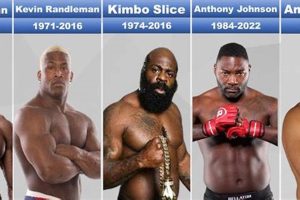
Films featuring mixed martial artists frequently leverage the athletes’ physical prowess and combat skills. This can manifest in action-heavy roles, where fighters perform their own stunts and fight choreography, or in more dramatic roles that explore themes of discipline, resilience, and overcoming adversity. Examples include athletes like Gina Carano transitioning to acting in films like “Haywire,” or Georges St-Pierre appearing in “Captain America: The Winter Soldier.”
The intersection of mixed martial arts and cinema provides several benefits. For filmmakers, it offers access to a pool of performers capable of delivering realistic fight scenes and portraying physically demanding roles convincingly. For the athletes, it presents opportunities for career diversification and broader public recognition. Historically, combat sports and the entertainment industry have maintained a close relationship, with figures like Bruce Lee bridging the gap between martial arts mastery and cinematic performance. This trend continues to evolve as mixed martial arts gains mainstream popularity.
This exploration will delve deeper into specific examples, analyzing the impact of mixed martial artists on film, considering both their individual contributions and the broader trends they represent within the action genre and beyond.
Tips for Exploring Films Featuring Mixed Martial Artists
This section offers guidance for viewers interested in discovering films showcasing mixed martial arts talent.
Tip 1: Look Beyond the Action. While fight choreography often takes center stage, consider films that explore the complexities of the characters and the narratives beyond physical combat.
Tip 2: Research the Athlete’s Background. Understanding a fighter’s real-world achievements and fighting style can enhance appreciation for their on-screen performance.
Tip 3: Explore Different Genres. Mixed martial artists appear in a variety of films, not just action. Consider documentaries, dramas, and even comedies featuring these athletes.
Tip 4: Consider the Filmmaker’s Intention. Is the film aiming for realism or stylized action? This context informs expectations for the fight choreography and the athlete’s role.
Tip 5: Recognize the Challenges of Transitioning to Acting. While athleticism translates, acting requires a different skill set. Evaluate performances based on the demands of the specific role.
Tip 6: Explore Independent Films. Lower-budget productions sometimes offer opportunities for up-and-coming fighters and can present unique storytelling approaches.
By following these tips, viewers can develop a deeper appreciation for the contributions of mixed martial artists to cinema, recognizing the diverse ways they enrich storytelling and on-screen action.
These insights offer a comprehensive understanding of this dynamic intersection of sport and film, paving the way for a concluding perspective.
1. Authentic Fight Choreography
Authentic fight choreography plays a crucial role in the increasing presence of mixed martial artists in film. It elevates the realism and intensity of fight scenes, capitalizing on the fighters’ existing skills and training. This pursuit of authenticity influences casting decisions, action design, and overall audience reception.
- Realistic Striking and Grappling
Trained fighters bring a nuanced understanding of combat dynamics, incorporating realistic striking techniques, takedowns, and grappling maneuvers. This contrasts with more stylized or theatrical fight choreography often seen in traditional action films. Examples include the raw, visceral fight scenes in films featuring Bas Rutten or Cung Le, showcasing their distinct martial arts backgrounds. This realism enhances the immersive quality of the action, adding a layer of believability often absent in films relying solely on stunt performers.
- Emphasis on Practical Effects and Minimal CGI
Authentic fight choreography often prioritizes practical effects and minimizes reliance on CGI. This approach, evident in films like “Warrior” or “Haywire,” allows fighters to showcase their actual skills and athleticism. The focus on practical execution heightens the sense of danger and impact, creating a more visceral viewing experience.
- Integration of the Fighter’s Personal Style
Fight choreographers often tailor action sequences to highlight a specific fighter’s strengths and signature moves. This personalization, as seen in Tony Jaa’s Muay Thai-infused fight scenes, adds a layer of authenticity and allows audiences to appreciate the fighter’s unique skill set. It also strengthens the connection between the fighter’s on-screen persona and real-world reputation.
- Impact on Narrative and Character Development
Authentic fight choreography can contribute to narrative and character development beyond simply providing action spectacle. The way a character fights can reveal aspects of their personality, training, and emotional state. Films like “Never Back Down” use fight scenes to showcase character progression and the development of fighting skills. This integration of action with narrative creates a more engaging and meaningful viewing experience.
The pursuit of authentic fight choreography has significantly impacted the action genre, blurring the lines between sport and cinema. This trend elevates the contributions of mixed martial artists in film, shifting the focus from purely performative action to a more grounded and realistic portrayal of combat. This integration continues to evolve as filmmakers seek innovative ways to capture and showcase the athleticism and skills of these athletes.
2. Physicality and Screen Presence

The inherent physicality and screen presence of mixed martial artists offer a distinct advantage in film. Years of rigorous training cultivate a physicality that translates effectively on screen, often requiring minimal acting experience to convey strength, agility, and intensity. This natural presence allows fighters to embody roles demanding physical prowess convincingly, contributing to audience engagement and believability. Consider, for example, how Gina Carano’s athleticism in “Haywire” enhances the raw, visceral nature of her fight scenes, or how Georges St-Pierre’s imposing physique lends credibility to his role in “Captain America: The Winter Soldier.” This physicality contributes not only to action sequences but also to dramatic scenes, adding a layer of authenticity and intensity to character portrayals. Casting directors often leverage this inherent physicality, recognizing the immediate impact a trained fighter can have on screen.
Beyond physical attributes, the discipline and mental fortitude cultivated through mixed martial arts training contribute to a commanding screen presence. This translates into an ability to hold the viewer’s attention, even in scenes without physical action. The focused intensity and self-assuredness developed through years of competition often manifest as a quiet confidence on screen, adding depth and complexity to character portrayals. This inherent presence allows fighters to project authority and charisma, making them compelling figures even in supporting roles. Furthermore, the ability to handle pressure and perform under scrutiny, honed through years of competition, equips mixed martial artists to navigate the demands of film sets and deliver convincing performances under pressure.
In summary, the combination of physicality and screen presence inherent in mixed martial artists offers a significant advantage in the film industry. This combination contributes not only to compelling action sequences but also to more nuanced character portrayals, expanding the range of roles accessible to these athletes. While acting skills remain essential for long-term success, this inherent physicality and screen presence provide a valuable foundation, making mixed martial artists a sought-after talent pool in an industry increasingly valuing authenticity and physical performance. Understanding the role of these attributes provides valuable insight into the evolving relationship between mixed martial arts and cinema.
3. Expanding Career Opportunities

The intersection of mixed martial arts and film provides athletes with significant career expansion opportunities. The physical demands and performance aspects of mixed martial arts translate surprisingly well to the film industry, opening doors to roles requiring athleticism, fight choreography expertise, and a commanding screen presence. This crossover allows fighters to diversify their income streams, extend their public profiles, and explore new avenues of creative expression beyond the competitive arena.
- From Octagon to Screen: Transitioning to Acting Roles
The transition from professional fighting to acting provides athletes with a platform to showcase a broader range of skills. While physical prowess forms a solid foundation, successful transitions often require dedication to acting training and developing on-screen charisma. Ronda Rousey’s appearances in “The Expendables 3” and “Furious 7” exemplify this transition, demonstrating the potential for fighters to secure roles in major film franchises. However, the transition isn’t always seamless, highlighting the need for ongoing skill development and careful role selection.
- Leveraging Existing Skills: Stunt Work and Fight Choreography
Mixed martial artists often possess the skills and experience to excel in stunt work and fight choreography. Their understanding of combat dynamics, body control, and ability to perform under pressure make them valuable assets on film sets. For example, Cung Le’s extensive martial arts background has led to a successful career as a stunt performer and fight choreographer in addition to his acting roles. This avenue offers a practical and often less demanding entry point into the film industry, providing valuable experience and networking opportunities.
- Building a Personal Brand: Increased Visibility and Endorsements
Film appearances can significantly enhance a fighter’s public profile, leading to increased visibility and endorsement opportunities. This broader recognition can extend beyond the niche audience of mixed martial arts, opening doors to mainstream endorsements and sponsorships. Gina Carano’s transition to acting demonstrates this potential, leading to high-profile advertising campaigns and broader brand recognition. This increased visibility can also create opportunities for fighters to advocate for causes, promote fitness and healthy lifestyles, and establish themselves as influential public figures.
- Long-Term Career Sustainability: Beyond the Ring
The physical demands of professional fighting limit the length of an athlete’s competitive career. Film offers a potential avenue for long-term career sustainability, allowing fighters to remain in the public eye and generate income beyond their fighting years. Randy Couture’s continued acting career after retiring from professional fighting exemplifies this. This transition offers a degree of financial security and career longevity not always possible within the confines of professional sports.
The film industry provides mixed martial artists with valuable career diversification opportunities, leveraging their existing skills and public recognition. While the transition requires adaptation and ongoing development, the potential rewards include increased financial security, broader public visibility, and the chance to explore new creative avenues. This intersection of sport and entertainment continues to evolve, offering mutually beneficial opportunities for both athletes and the film industry.
4. Genre Diversification (Action, Drama)
The presence of mixed martial artists in film extends beyond the action genre, demonstrating a notable diversification into other genres, particularly drama. This expansion reflects the evolving perception of fighters as multifaceted performers capable of conveying emotional depth and complexity beyond physical prowess. Examining this genre diversification reveals the versatility of these athletes and the expanding opportunities available to them within the film industry.
- Beyond Action Stereotypes: Exploring Dramatic Roles
Casting mixed martial artists in dramatic roles challenges traditional action stereotypes, showcasing their capacity for emotional range and nuanced performances. Films like “Warrior” featuring Tom Hardy (while not an MMA fighter, the film’s themes resonate) explore complex family dynamics and personal struggles, demonstrating the potential for fighters to embody characters with depth and vulnerability. This expansion beyond stereotypical action roles broadens audience perception and opens new avenues for character-driven storytelling.
- Physicality as a Storytelling Tool: Enhancing Dramatic Impact
The inherent physicality of trained fighters can enhance dramatic narratives, adding a layer of authenticity and emotional weight to character portrayals. A fighter’s physical presence can convey strength, vulnerability, or inner turmoil without relying solely on dialogue. This nonverbal communication can be particularly effective in conveying trauma, resilience, or the psychological toll of combat, as explored in films like “Southpaw” (featuring Jake Gyllenhaal, again thematically relevant). This nuanced use of physicality expands the storytelling toolkit available to filmmakers.
- Expanding Audience Appeal: Reaching Beyond Action Fans
Genre diversification broadens the appeal of films featuring mixed martial artists, attracting audiences beyond traditional action fans. By incorporating elements of drama, romance, or comedy, these films can resonate with a wider demographic, increasing their market potential and contributing to the broader cultural acceptance of mixed martial artists as versatile performers. This crossover potential benefits both the film industry and the athletes, expanding their reach and influence.
- The Rise of Biopics and Sports Dramas: Showcasing Real-Life Stories
The increasing popularity of biopics and sports dramas provides a natural platform for showcasing the compelling real-life stories of mixed martial artists. Films exploring the challenges, triumphs, and personal struggles of these athletes offer a unique perspective on the world of professional fighting. While still underrepresented, the potential for films like this to inspire and connect with audiences remains significant, offering a humanizing perspective on athletes often perceived solely through the lens of physical competition. These films offer a deeper understanding of the dedication and sacrifice required to succeed in the demanding world of mixed martial arts.
The diversification of mixed martial artists into genres beyond action signifies a shift in the industry’s perception of these athletes. No longer confined to purely physical roles, fighters are increasingly recognized for their potential to contribute to complex, character-driven narratives. This genre expansion not only broadens audience appeal but also provides athletes with opportunities to explore their full range of performance capabilities, contributing to a more nuanced and compelling cinematic landscape. This trend reinforces the evolving relationship between mixed martial arts and the film industry, highlighting the potential for further crossover and collaboration in the future.
5. Drawing Power of Star Athletes

The drawing power of star athletes significantly impacts the success of films featuring mixed martial artists. Their established fan base, name recognition, and media presence translate into increased marketing potential and box office revenue. This phenomenon stems from the inherent audience interest in seeing renowned athletes transition to the big screen, capitalizing on their existing popularity and expanding their reach beyond the core fanbase of mixed martial arts. For instance, Ronda Rousey’s involvement in films like “The Expendables 3” and “Furious 7” demonstrably leveraged her star power to attract a broader audience. Similarly, Conor McGregor’s foray into acting with “Road House” leverages his substantial following, generating significant pre-release buzz and media attention. This star power not only influences casting decisions but also shapes marketing strategies, often featuring the athlete prominently in promotional materials and trailers.
The integration of star athletes into film projects represents a symbiotic relationship. Film studios benefit from the athlete’s established fanbase and marketability, while athletes gain exposure to a wider audience, enhancing their public image and creating lucrative opportunities beyond their athletic careers. This crossover potential, however, hinges on careful selection of projects aligned with the athlete’s persona and brand. An ill-fitting role or poorly received film can negatively impact both the athlete’s image and the film’s success. Furthermore, the athlete’s acting abilities and commitment to the craft play a crucial role in determining long-term success in the film industry. Star power alone does not guarantee critical acclaim or sustained audience engagement. Continuous development of acting skills remains essential for navigating the transition from sports to film and establishing a credible acting career.
In conclusion, the drawing power of star athletes constitutes a significant factor in the increasing prevalence of mixed martial artists in film. Their established fan base and media presence provide a valuable marketing asset, driving audience interest and generating revenue. However, successful integration requires careful project selection, ongoing skill development, and a commitment to the craft of acting. Understanding the dynamics of this relationship offers valuable insights into the evolving landscape of sports and entertainment, highlighting the opportunities and challenges inherent in leveraging star power for cinematic success. The long-term impact of this trend remains to be seen, but the current intersection of mixed martial arts and film underscores the increasing interconnectedness of sports and the entertainment industry.
Frequently Asked Questions
This section addresses common inquiries regarding the presence of mixed martial artists in film.
Question 1: Does the inclusion of mixed martial artists detract from the quality of acting in films?
Not necessarily. While some fighters transition to acting more successfully than others, dedicated training and appropriate casting can result in compelling performances. The physicality and screen presence athletes bring often enhance authenticity, particularly in action roles.
Question 2: Are films featuring mixed martial artists solely focused on action and violence?
While action often features prominently, the range of roles available to mixed martial artists is expanding. Increasingly, fighters appear in dramas, comedies, and other genres, demonstrating versatility beyond action stereotypes.
Question 3: Do mixed martial artists replace trained stunt performers?
Not entirely. While fighters often perform their own stunts, particularly fight choreography, trained stunt performers remain essential for complex and dangerous sequences requiring specialized skills.
Question 4: Is the trend of casting mixed martial artists a fleeting phenomenon?
The longevity of this trend remains to be seen. However, the combination of athleticism, marketability, and audience interest suggests continued opportunities for mixed martial artists in film.
Question 5: How does the training regimen of a mixed martial artist contribute to film performance?
The discipline, physical conditioning, and mental fortitude cultivated through rigorous training translate effectively to the demands of filmmaking, enhancing both physical performance and on-screen presence.
Question 6: Does the presence of mixed martial artists limit storytelling potential?
On the contrary, the integration of mixed martial artists can enhance storytelling by adding layers of authenticity, physicality, and emotional depth, particularly in narratives exploring themes of resilience, discipline, and overcoming adversity.
Understanding these common concerns provides a more nuanced perspective on the evolving role of mixed martial artists within the film industry.
This FAQ section provides a comprehensive overview of common queries, paving the way for a concluding perspective on the evolving intersection of mixed martial arts and cinema.
Conclusion
The increasing prevalence of mixed martial artists in film represents a dynamic intersection of athleticism, entertainment, and evolving audience expectations. This exploration has examined the multifaceted nature of this phenomenon, encompassing authentic fight choreography, the inherent physicality and screen presence of trained fighters, expanding career opportunities for athletes, genre diversification beyond action stereotypes, and the undeniable drawing power of star athletes. The analysis reveals a complex interplay of factors contributing to the growing integration of mixed martial artists into the cinematic landscape.
The long-term impact of this trend warrants continued observation. As the film industry seeks fresh talent and innovative approaches to storytelling, the unique attributes of mixed martial artists offer compelling possibilities. Further exploration of the evolving relationship between mixed martial arts and cinema promises to reveal deeper insights into the changing dynamics of sports, entertainment, and the cultural landscape. This intersection presents both opportunities and challenges, shaping the future of action cinema and expanding the boundaries of athletic performance.