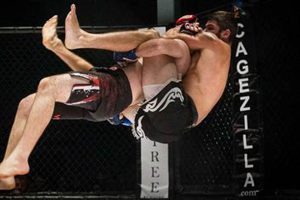
Auricular hematoma, commonly known as cauliflower ear, is a condition characterized by the accumulation of blood and fluid between the skin and cartilage of the outer ear. This often results from blunt trauma, particularly prevalent in contact sports like mixed martial arts. Repeated blows can disrupt blood vessels, leading to swelling and the formation of a fibrous mass, giving the ear a distinctive, lumpy appearance.
While seemingly cosmetic, this deformity can have significant health implications. Untreated, it can lead to infection, hearing loss, and even permanent disfigurement. Prompt drainage and compression therapy are crucial in minimizing long-term effects. Historically, this condition has been almost a badge of honor within combat sports, signifying experience and resilience. However, increasing awareness of the potential complications is shifting perspectives towards prioritizing preventative measures and early intervention.
This article will delve further into the causes, prevention, and treatment of auricular hematoma, examining both the medical and cultural aspects of this condition within the context of competitive fighting. It will also explore the evolving understanding of its long-term consequences and the importance of proactive management.
Preventing Auricular Hematoma
Minimizing the risk of auricular hematoma requires a multi-faceted approach encompassing protective gear, appropriate techniques, and prompt medical attention.
Tip 1: Wear Proper Headgear: Well-fitted headgear designed for grappling or striking is essential. It should cover the ears completely without restricting vision or breathing.
Tip 2: Practice Proper Technique: Correct grappling and striking techniques can reduce the likelihood of direct impact to the ears. Training with qualified instructors is crucial.
Tip 3: Address Injuries Immediately: Any trauma to the ear, even seemingly minor, should be evaluated by a medical professional. Early intervention is key to preventing complications.
Tip 4: Follow Medical Advice: Adherence to prescribed treatment, such as drainage and compression therapy, is vital for optimal healing and minimizing long-term damage.
Tip 5: Consider Preventative Draining: For individuals with recurrent auricular hematomas, prophylactic drainage may be an option. This involves draining fluid before it solidifies.
Tip 6: Avoid Self-Treatment: Attempting to drain hematomas without professional medical assistance can increase the risk of infection and other complications.
Tip 7: Monitor for Signs of Infection: Be aware of signs of infection, such as increased pain, swelling, redness, or discharge. Seek immediate medical attention if these occur.
By implementing these preventative measures and seeking timely medical intervention, the incidence and severity of auricular hematoma can be significantly reduced, preserving both ear health and overall well-being.
This proactive approach to ear protection underscores the importance of prioritizing long-term health within the demanding environment of combat sports. The following section will further explore treatment options and long-term management strategies.
1. Trauma

Trauma, specifically blunt force trauma to the ear, is the primary cause of auricular hematoma, commonly referred to as “MMA fighter ear.” Understanding the mechanics of this trauma is essential for effective prevention and treatment.
- Direct Impact:
Direct blows to the ear, such as punches or elbows in MMA, are a frequent cause of auricular hematoma. These impacts can shear the perichondrium, the connective tissue surrounding the ear cartilage, leading to bleeding and fluid accumulation. Examples include a poorly blocked punch landing directly on the ear or an elbow strike during a grappling exchange.
- Friction and Shearing:
Repeated rubbing or friction against the ear, common in grappling and wrestling, can also cause hematoma formation. The constant pressure and shearing forces can damage the underlying blood vessels, even without a direct impact. This is frequently seen in MMA fighters who consistently engage in clinch work and ground fighting.
- Compression and Crushing:
Compression injuries, where the ear is crushed against the head or the mat, can also disrupt blood flow and lead to hematoma formation. While less common than direct impacts or friction injuries, these can occur during takedowns or when an opponent’s weight is applied directly to the ear.
- Untreated Hematoma:
An untreated initial hematoma further increases the risk of subsequent trauma and more severe complications. The already compromised cartilage becomes more susceptible to further injury, leading to a cycle of trauma and hematoma formation. This contributes to the progressive development of cauliflower ear.
The cumulative effect of these various forms of trauma underscores the importance of preventative measures and prompt medical attention in managing auricular hematoma in MMA. Understanding the specific mechanisms of injury allows for targeted interventions aimed at reducing the risk and severity of this condition.
2. Hematoma formation

Hematoma formation is the central process in the development of “MMA fighter ear,” medically termed auricular hematoma. Understanding this process is crucial for effective prevention and treatment. A hematoma occurs when blood vessels rupture, leading to blood accumulating between the skin and cartilage of the ear. This trapped blood disrupts the normal flow of nutrients to the cartilage, initiating a cascade of events that can result in permanent deformity.
- Perichondrial Separation:
Trauma to the ear, common in MMA, can cause the perichondrium (the connective tissue supplying blood to the cartilage) to separate from the cartilage itself. This separation creates a space where blood can accumulate, forming a hematoma. The disruption of blood supply deprives the cartilage of essential nutrients.
- Cartilage Necrosis and Fibrosis:
Without adequate blood supply, the ear cartilage begins to die (necrosis). The body attempts to repair the damage through fibrosis, a process of scar tissue formation. This fibrous tissue is less flexible and more dense than healthy cartilage, leading to the characteristic thickened, lumpy appearance of cauliflower ear.
- Infection Risk:
The accumulated blood within the hematoma provides an ideal breeding ground for bacteria. If left untreated, infection can develop, further complicating the healing process and potentially causing more serious health issues. Prompt drainage and appropriate antibiotic therapy are essential for mitigating this risk.
- Cosmetic and Functional Impairment:
The resulting scar tissue and cartilage deformation can cause permanent disfigurement, commonly referred to as “cauliflower ear.” In severe cases, the ear canal can become obstructed, leading to hearing loss. The cosmetic changes can be psychologically impactful, while functional impairment can affect an athlete’s ability to compete.
The progression from initial trauma to hematoma formation, cartilage damage, and potential infection underscores the importance of immediate medical attention for any ear injury in MMA. Early intervention, including drainage and compression therapy, can significantly reduce the risk of developing cauliflower ear and its associated complications. Proactive prevention strategies are equally vital in protecting ear health and long-term well-being in combat sports.
3. Cartilage deformation

Cartilage deformation is the defining characteristic of “MMA fighter ear,” medically known as auricular hematoma or cauliflower ear. This deformation arises directly from the disruption of blood flow to the ear cartilage following trauma. When blood accumulates between the perichondrium and the cartilage (hematoma), it effectively cuts off the cartilage’s nutrient supply. This leads to necrosis (tissue death) and subsequent fibrous tissue formation. This fibrous tissue, unlike healthy cartilage, is inflexible and dense, resulting in the characteristic thickened, lumpy appearance of the ear. The severity of the deformation correlates directly with the extent and frequency of trauma, as well as the timing and effectiveness of medical intervention. Repeated or untreated hematomas exacerbate the process, leading to progressively more pronounced cartilage changes.
For instance, a single, adequately treated hematoma might result in minimal deformation, barely noticeable. However, recurrent traumas, typical in MMA, can lead to substantial cartilage changes, creating the classic “cauliflower ear” appearance. Consider a fighter who sustains repeated blows to the ear over several years. Each untreated or inadequately managed hematoma contributes to progressive cartilage damage, ultimately leading to significant disfigurement. This highlights the cumulative effect of trauma and the importance of preventative measures and prompt medical care. The degree of deformation can also influence the likelihood of further injury, as the altered ear structure becomes more vulnerable to subsequent trauma.
Understanding the process of cartilage deformation in auricular hematoma is critical for both prevention and treatment strategies in MMA. This knowledge emphasizes the need for protective gear, appropriate training techniques, and immediate medical attention following ear trauma. Proactive management can minimize cartilage damage, preserving both the aesthetic appearance and functional integrity of the ear. Failure to address the underlying hematoma promptly can result in permanent and potentially disfiguring cartilage changes, underscoring the practical significance of this understanding within the context of combat sports.
4. Hearing impairment
Hearing impairment is a potential consequence of auricular hematoma, commonly called “MMA fighter ear,” and represents a significant concern for athletes in combat sports. While the cosmetic implications of cauliflower ear are often emphasized, the potential for auditory complications underscores the importance of preventative measures and prompt medical intervention.
- Obstruction of the Ear Canal:
Swelling and cartilage deformation associated with auricular hematoma can narrow or completely obstruct the ear canal. This physical blockage impedes the transmission of sound waves to the eardrum, resulting in conductive hearing loss. For example, a severe hematoma causing significant swelling within the ear canal can mimic the effect of having an earplug constantly in place, muffling sounds and diminishing hearing acuity.
- Damage to the Tympanic Membrane:
While less common, trauma to the ear can also rupture or perforate the tympanic membrane (eardrum). This can occur directly from a blow or indirectly from the pressure changes associated with a hematoma. A ruptured eardrum can cause pain, bleeding, and varying degrees of hearing loss, depending on the severity of the tear. This type of injury requires specialized medical attention to prevent infection and promote healing.
- Ossicular Disruption:
In rare cases, severe trauma can disrupt the delicate bones of the middle ear (ossicles), which transmit vibrations from the eardrum to the inner ear. Dislocation or fracture of these bones can significantly impair hearing. This type of injury often necessitates surgical intervention to restore hearing function.
- Long-Term Hearing Loss:
Repeated or untreated auricular hematomas can lead to chronic inflammation and progressive cartilage changes. This can cause permanent narrowing of the ear canal and persistent conductive hearing loss. Over time, this can significantly impact an individual’s ability to communicate and engage in everyday activities, emphasizing the long-term consequences of neglecting ear injuries in MMA.
The potential for hearing impairment associated with “MMA fighter ear” highlights the importance of a proactive approach to ear protection and injury management in combat sports. While the cosmetic implications are readily apparent, the less visible auditory consequences can have a profound impact on an athlete’s quality of life, both within and outside the competitive arena. Prioritizing preventative measures, such as wearing proper headgear, and seeking prompt medical evaluation for any ear trauma are crucial for mitigating the risk of long-term hearing problems.
5. Protective Measures

Protective measures play a crucial role in mitigating the risk of auricular hematoma (“MMA fighter ear”) and its associated complications. Implementing appropriate preventative strategies can significantly reduce the incidence and severity of this condition, preserving both the aesthetic appearance and functional integrity of the ear. Understanding and adopting these measures is essential for anyone participating in combat sports.
- Headgear:
Well-designed headgear provides a crucial barrier against direct trauma to the ear. Properly fitted headgear should cover the ears completely without obstructing vision or breathing. Specifically designed wrestling headgear with ear guards offers substantial protection during grappling exchanges. While not foolproof, consistent headgear use can significantly reduce the risk of hematoma formation. For instance, studies have shown a correlation between headgear use and a decreased incidence of auricular hematoma in wrestlers.
- Cauliflower Ear Mold:
Following an injury or draining of a hematoma, specialized ear molds can be worn to apply consistent pressure, preventing re-accumulation of fluid and promoting proper healing. These molds conform to the ear’s shape and help maintain cartilage position during the healing process. Their effectiveness relies on diligent and consistent use as directed by a physician.
- Technique and Training:
Proper technique in grappling and striking can minimize the risk of ear trauma. Training with experienced coaches who emphasize safe practices is paramount. For example, learning to correctly position the head and ears during grappling exchanges can reduce friction and shearing forces. Similarly, mastering defensive techniques in striking can minimize the likelihood of direct blows to the ear.
- Prompt Medical Attention:
Any trauma to the ear, regardless of perceived severity, warrants immediate medical evaluation. Prompt diagnosis and treatment of auricular hematoma are critical for preventing long-term complications. Early intervention, such as drainage and compression therapy, can significantly reduce the risk of cartilage deformation and subsequent cauliflower ear development.
The consistent application of these protective measures contributes significantly to reducing the risk of “MMA fighter ear” and preserving long-term ear health. While inherent risks exist in combat sports, adopting a proactive approach to prevention can minimize the incidence and severity of auricular hematoma, allowing athletes to participate more safely and mitigate the potential for lasting health consequences.
6. Medical Intervention

Medical intervention plays a critical role in managing auricular hematoma, commonly known as “MMA fighter ear,” and minimizing its long-term consequences. Prompt and appropriate medical care is essential for addressing the underlying hematoma, preventing complications, and preserving both the aesthetic appearance and functional integrity of the ear. The effectiveness of medical intervention depends largely on the timing and the specific procedures employed.
The primary goal of medical intervention is to evacuate the accumulated blood from the hematoma and re-establish close contact between the perichondrium and the cartilage. This typically involves incision and drainage, a procedure where a small incision is made to drain the trapped blood and fluid. Following drainage, compression therapy is crucial to prevent re-accumulation of blood and promote proper healing. Compression can be achieved through various methods, including specialized ear splints, sutures, or compression dressings. In some cases, aspiration, using a needle to draw out the fluid, may be attempted, particularly for smaller hematomas. However, incision and drainage generally offer more effective and lasting results. If infection is present, antibiotic therapy is necessary to control the infection and prevent further complications. In recurrent or severe cases, surgical procedures may be considered to address cartilage deformities or persistent issues.
The practical significance of prompt medical intervention cannot be overstated. Delayed or inadequate treatment significantly increases the risk of permanent cartilage deformation, leading to the characteristic “cauliflower ear” appearance. Furthermore, untreated hematomas can lead to infection, potentially causing more serious health concerns. Medical intervention, therefore, plays a crucial role not only in minimizing cosmetic changes but also in preserving long-term ear health and function. This underscores the importance of seeking immediate medical evaluation for any suspected auricular hematoma in MMA. Proactive medical management is crucial for mitigating the risks associated with this common condition in combat sports and enabling athletes to continue competing without compromising their long-term well-being.
Frequently Asked Questions about Auricular Hematoma
This section addresses common concerns and misconceptions regarding auricular hematoma, providing concise and informative answers to frequently asked questions.
Question 1: Is auricular hematoma exclusive to MMA fighters?
While prevalent in mixed martial arts, auricular hematoma can occur in any activity involving blunt trauma to the ear, including other contact sports like rugby, wrestling, and boxing, as well as certain non-sporting accidents.
Question 2: Can auricular hematoma heal without medical intervention?
Small hematomas might resolve spontaneously, but larger or recurrent ones often require medical intervention to prevent permanent cartilage deformation and potential complications like infection or hearing loss.
Question 3: How long does it take for cauliflower ear to develop?
The characteristic thickening and deformity can develop within days to weeks of an untreated hematoma, depending on its size and location. Prompt medical attention can significantly mitigate this process.
Question 4: Is cauliflower ear reversible?
Once established, the cartilage changes associated with cauliflower ear are generally irreversible. Early intervention is crucial for preventing permanent deformation. In some cases, surgical correction might be possible.
Question 5: What are the long-term health risks associated with untreated auricular hematoma?
Untreated hematomas can lead to permanent disfigurement, chronic pain, increased risk of recurrent injury, infection, and potentially significant hearing loss. These risks underscore the importance of prompt medical attention.
Question 6: How can one differentiate between a simple bruise and an auricular hematoma?
A hematoma involves significant swelling, firmness, and often a distinct fluctuation due to trapped fluid, whereas a bruise typically presents as a flat discoloration. Medical evaluation is recommended to confirm the diagnosis.
Addressing these common concerns emphasizes the importance of preventative measures and prompt medical intervention in managing auricular hematoma effectively. Understanding the causes, consequences, and treatment options allows individuals to make informed decisions regarding their ear health.
The subsequent section will offer a comprehensive guide to treatment options for auricular hematoma, ranging from initial drainage to surgical correction.
MMA Fighter Ear
Auricular hematoma, often referred to as “MMA fighter ear,” represents a significant concern within combat sports. This exploration has detailed the underlying mechanisms, from initial trauma and hematoma formation to cartilage deformation and potential hearing impairment. Preventative measures, including proper headgear and refined training techniques, have been highlighted as crucial first steps in risk mitigation. The critical role of prompt medical intervention, encompassing drainage, compression therapy, and potential surgical options, has been emphasized. The potential for long-term consequences, such as permanent disfigurement and hearing loss, underscores the seriousness of this condition and the necessity of a proactive approach to management. Repeated trauma, a hallmark of combat sports like MMA, exacerbates the risk and necessitates consistent vigilance regarding ear protection.
The information presented serves to empower athletes, coaches, and medical professionals with the knowledge necessary to make informed decisions regarding auricular hematoma prevention and treatment. Continued research and education are crucial for refining preventative strategies, optimizing treatment protocols, and ultimately minimizing the incidence and long-term impact of this condition within the demanding environment of combat sports. Prioritizing ear health is not merely a cosmetic concern but a fundamental aspect of athlete well-being and career longevity.