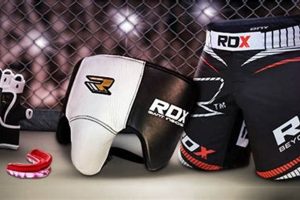
Protective gear designed specifically for mixed martial arts competition and training is essential for mitigating the risk of injury. This equipment encompasses a range of items, from hand wraps and gloves that safeguard knuckles and wrists, to shin guards and headgear that protect lower limbs and the head. For instance, specialized mouthguards are crucial for preventing dental trauma, while groin protectors offer vital defense in this full-contact sport. The selection of appropriate protective gear is dictated by factors such as the level of training, the specific discipline within mixed martial arts, and the regulations governing competition.
The use of such specialized equipment contributes significantly to the safety and longevity of athletes’ careers. By reducing the impact of blows and minimizing the potential for fractures, sprains, and concussions, protective measures allow participants to train more intensively and compete more confidently. Historically, the evolution of this equipment has mirrored the development of the sport itself, with ongoing improvements driven by advancements in materials science and a greater understanding of injury mechanics. This focus on safety has been instrumental in fostering the growth and professionalization of mixed martial arts.
This exploration of safety equipment serves as a foundation for understanding broader topics within mixed martial arts, such as training methodologies, competitive strategies, and the physiological demands of the sport. A deeper understanding of the role and importance of protective gear provides valuable context for both participants and spectators alike.
Essential Protective Equipment Practices for Mixed Martial Arts
Optimizing safety and performance in mixed martial arts requires careful attention to protective equipment selection, maintenance, and proper usage. The following guidelines offer practical advice for maximizing the benefits of essential protective gear.
Tip 1: Prioritize Fit and Comfort: Ill-fitting equipment can hinder performance and compromise safety. Ensure a snug but comfortable fit that allows for a full range of motion without restriction or excessive movement.
Tip 2: Understand Material Properties: Different materials offer varying levels of protection, durability, and breathability. Consider the specific demands of training and competition when selecting appropriate materials, such as leather, synthetic leather, or gel-infused padding.
Tip 3: Regular Inspection and Maintenance: Equipment should be inspected regularly for signs of wear and tear, including cracks, tears, or loose stitching. Replace damaged items promptly to maintain optimal protection. Clean equipment according to manufacturer recommendations to prevent bacterial growth and unpleasant odors.
Tip 4: Proper Application Techniques: Correct application of protective gear is crucial for maximizing its effectiveness. Consult training manuals or experienced coaches for guidance on proper wrapping techniques for hand wraps and securing other protective items.
Tip 5: Adhere to Regulations and Guidelines: Competition regulations often dictate specific requirements for protective equipment. Familiarize oneself with these rules and ensure compliance to avoid disqualification or penalties.
Tip 6: Gradual Integration of New Equipment: Allow adequate time to adjust to new equipment before intense training or competition. This allows for adaptation to the feel and weight of the gear, reducing the risk of discomfort or distraction.
Tip 7: Consider Individual Needs and Preferences: Factors such as body type, fighting style, and personal preferences can influence equipment choices. Experiment with different brands and models to find the best fit and functionality.
Consistent adherence to these practices contributes significantly to injury prevention and enhanced performance. By prioritizing equipment maintenance and proper usage, athletes can focus on training and competition with confidence and peace of mind.
By understanding the critical role of protective equipment in mixed martial arts, athletes can make informed decisions regarding their training and competition strategies, ultimately contributing to a safer and more fulfilling experience within the sport.
1. Safety

Within the demanding and high-impact environment of mixed martial arts, safety stands as a paramount concern. Protective equipment, serving as a crucial layer of “armour,” plays a pivotal role in mitigating the inherent risks associated with this combat sport. Understanding the multifaceted nature of safety in MMA requires an examination of key protective measures and their impact on injury prevention and overall well-being.
- Head Protection:
The head is a particularly vulnerable area in MMA, susceptible to concussions and other serious injuries. Headgear, specifically designed for MMA, utilizes protective padding and strategic construction to absorb impact and minimize the risk of head trauma. Examples include headgear with cheek and chin protection, offering comprehensive coverage. Effective head protection is crucial for allowing athletes to train and compete with reduced risk, contributing to long-term health and career longevity.
- Hand and Wrist Protection:
Repeated impacts during striking can lead to hand and wrist injuries, ranging from fractures to sprains. Hand wraps and gloves provide essential protection, stabilizing the wrist joint and cushioning the knuckles. Different types of gloves cater to specific training needs, such as bag gloves for heavy bag work and sparring gloves for partner training. Proper hand and wrist protection allows for optimal training intensity while minimizing the risk of debilitating injuries.
- Shin and Foot Protection:
Lower limb injuries, particularly to the shins and feet, are common in MMA due to frequent kicking and checking techniques. Shin guards provide a protective barrier, reducing the impact of blows and minimizing the risk of fractures, contusions, and sprains. Ankle support and padded foot protection further enhance stability and reduce the likelihood of ankle injuries. Comprehensive lower limb protection is essential for both striking and grappling disciplines within MMA.
- Mouth and Groin Protection:
While often overlooked, mouth and groin protection are critical for preventing serious injuries. Mouthguards protect against dental trauma, concussions, and jaw fractures. Groin protectors shield a particularly vulnerable area, minimizing the risk of debilitating injuries. These essential pieces of protective equipment are fundamental for ensuring athlete safety and minimizing the potential for long-term health consequences.
The various facets of safety equipment in MMA contribute significantly to the overall well-being of athletes. By reducing the risk of injury, protective gear allows for consistent training, fosters confidence, and promotes longevity in the sport. The ongoing evolution of protective equipment design, driven by advancements in materials and biomechanics, reflects the continued commitment to enhancing safety standards and ensuring the long-term health of MMA athletes.
2. Performance Enhancement
The relationship between performance enhancement and protective gear in mixed martial arts is symbiotic. Appropriate “armour,” far from hindering movement, becomes integral to improved performance by fostering confidence and allowing athletes to train and compete at higher intensities without the constant fear of injury. This positive feedback loop allows for the development of advanced techniques and strategies, pushing the boundaries of athletic potential.
Consider a fighter practicing takedowns. With adequate knee and shin protection, they can execute repetitions with greater force and confidence, refining technique without hesitation. Similarly, secure hand and wrist protection enables a striker to deliver powerful blows with full force, knowing their joints are protected. This translates to improved striking speed and power, crucial elements for success in competition. These examples illustrate the direct, causal link between suitable protective equipment and the ability to refine and enhance performance. Furthermore, the psychological benefit of feeling protected cannot be understated. Reduced anxiety about potential injury allows athletes to focus entirely on their technique and strategy, leading to more efficient training and improved performance outcomes.
Understanding the crucial role of protective equipment in maximizing performance offers significant practical implications for both training and competition. Coaches can structure training regimens that progressively challenge athletes while minimizing injury risk. Athletes can focus on developing advanced techniques and strategies, confident in the protection afforded by their equipment. This understanding ultimately leads to a more strategic and effective approach to MMA, fostering both individual growth and the advancement of the sport as a whole.
3. Proper Fit

Proper fit stands as a critical factor in maximizing the effectiveness of protective equipment (“armour”) in mixed martial arts. Ill-fitting gear can negate the protective benefits, increase the risk of injury, and hinder performance. The relationship between proper fit and effective protection is demonstrably causal. Loose-fitting equipment can shift during training or competition, leaving vulnerable areas exposed to impact. Conversely, overly tight gear restricts movement, reduces blood flow, and can even exacerbate existing injuries.
Consider a mouthguard that fits poorly. If dislodged during sparring, it offers no protection against dental or jaw injuries. Similarly, loose-fitting gloves can slide, reducing knuckle protection and increasing the risk of hand injuries. Conversely, excessively tight gloves can restrict finger movement and compromise grip strength. These practical examples highlight the direct impact of proper fit on the effectiveness of protective equipment. Optimal fit ensures that equipment stays securely in place, providing consistent protection and allowing for unrestricted movement, thus enhancing both safety and performance.
Achieving proper fit often requires individualized attention. Factors such as body type, fighting style, and individual preferences influence equipment choices. Consulting with experienced coaches or equipment specialists can prove invaluable in determining the correct size and fit for specific protective gear. Understanding the significance of proper fit empowers athletes to make informed decisions regarding their equipment, ultimately contributing to a safer and more effective training and competition experience within mixed martial arts. This informed approach minimizes the risk of injury and maximizes the protective benefits of the “armour” essential to this demanding sport.
4. Material Durability
Material durability stands as a critical factor influencing the effectiveness and lifespan of protective equipment (“armour”) in mixed martial arts. The rigorous demands of this combat sport, characterized by repeated impacts and abrasive contact, necessitate equipment constructed from robust, resilient materials. A direct correlation exists between material durability and the level of protection afforded. Inferior materials degrade rapidly, compromising structural integrity and diminishing protective capabilities. This degradation can lead to equipment failure, exposing athletes to a heightened risk of injury.
Consider gloves constructed from low-grade synthetic leather. With repeated use, the material may tear or crack, reducing padding effectiveness and exposing the knuckles to impact. Similarly, shin guards made from brittle plastics can fracture upon impact, leaving the shins vulnerable to injury. Conversely, high-quality leather gloves, known for their durability and resilience, offer sustained protection over extended periods. Likewise, shin guards constructed from durable, impact-resistant materials provide reliable defense against repeated blows. These examples illustrate the direct, causal relationship between material durability and the sustained effectiveness of protective equipment. Investing in equipment made from robust materials offers long-term value, ensuring consistent protection and reducing the need for frequent replacements.
The selection of durable materials contributes significantly to both athlete safety and long-term cost-effectiveness. While higher-quality materials may entail a greater initial investment, their extended lifespan ultimately proves more economical than repeatedly replacing inferior equipment. Furthermore, the confidence instilled by reliable, durable equipment allows athletes to train and compete with greater intensity and focus, contributing to enhanced performance. Understanding the critical role of material durability in MMA equipment selection empowers athletes to make informed decisions, optimizing safety, performance, and long-term investment value.
5. Regular Maintenance
Regular maintenance of protective equipment (“armour”) is essential for ensuring its continued effectiveness and longevity in the demanding environment of mixed martial arts. Neglecting maintenance can compromise the protective capabilities of the equipment, increasing the risk of injury and diminishing performance. A proactive maintenance regimen contributes directly to both athlete safety and the long-term value of the investment in protective gear.
- Cleaning and Hygiene:
Sweat, bacteria, and general grime accumulate on equipment during training and competition, creating unsanitary conditions and potentially compromising material integrity. Regular cleaning with appropriate disinfectants eliminates bacteria, prevents unpleasant odors, and extends the lifespan of the equipment. For example, cleaning gloves after each use prevents the growth of bacteria and mold, preserving the padding and maintaining hygiene. Neglecting hygiene can lead to skin infections and accelerate the deterioration of materials.
- Inspection for Wear and Tear:
Regular inspection of equipment reveals signs of wear and tear, such as cracks, tears, or loose stitching. Identifying these issues early allows for timely repairs or replacements, preventing catastrophic equipment failure during training or competition. For instance, regularly checking hand wraps for fraying allows for timely replacement, preventing the wraps from unraveling during use and compromising wrist support. Ignoring signs of wear can lead to equipment malfunction and increased injury risk.
- Proper Storage:
Proper storage plays a crucial role in maintaining the integrity and extending the lifespan of protective equipment. Storing equipment in a cool, dry place away from direct sunlight prevents material degradation and the growth of mold and mildew. For example, storing gloves in a well-ventilated gym bag rather than a damp locker prevents the growth of mold and preserves the padding. Incorrect storage can accelerate deterioration and compromise protective capabilities.
- Repair and Replacement:
Timely repair or replacement of damaged equipment is essential for maintaining optimal protection. Minor damage, such as loose stitching, can often be repaired. However, significant damage, such as deep cracks in shin guards or torn gloves, necessitates replacement. Continuing to use compromised equipment significantly increases the risk of injury. A proactive approach to repair and replacement ensures consistent protection and minimizes potential risks.
These facets of regular maintenance contribute significantly to the longevity and effectiveness of protective equipment in mixed martial arts. A comprehensive maintenance program, encompassing cleaning, inspection, storage, and repair, optimizes athlete safety, enhances performance, and maximizes the return on investment in essential “armour.” This proactive approach demonstrates a commitment to athlete well-being and reflects a thorough understanding of the critical role that properly maintained equipment plays in the demanding world of mixed martial arts.
6. Regulatory Compliance

Regulatory compliance concerning protective equipment (“armour”) in mixed martial arts is crucial for ensuring fair competition and athlete safety. Sanctioning bodies establish specific equipment requirements to minimize the risk of injury and maintain a level playing field. Adherence to these regulations is mandatory for participation in sanctioned events and demonstrates a commitment to the integrity of the sport.
- Equipment Specifications:
Regulations often dictate specific requirements for equipment dimensions, weight, and materials. For example, glove weight classes are standardized to ensure fair competition across weight divisions. Using non-compliant gloves could result in disqualification and jeopardize the integrity of the bout. Similarly, regulations may specify permitted materials for shin guards, ensuring adequate protection without conferring an unfair advantage. Adherence to these specifications ensures a level playing field and promotes athlete safety.
- Pre-Fight Inspections:
Prior to competition, officials inspect all equipment to ensure compliance with regulations. This process typically involves verifying glove weight, checking for prohibited modifications, and ensuring the structural integrity of protective gear. For example, officials may examine gloves for tears or hidden padding that could provide an unfair advantage. These pre-fight inspections are crucial for upholding the integrity of the competition and minimizing the risk of injuries caused by faulty or illegal equipment.
- Consequences of Non-Compliance:
Failure to comply with equipment regulations can result in a range of penalties, from warnings and equipment confiscation to disqualification and suspension. For instance, a fighter using illegal hand wraps could be disqualified from the competition and face further sanctions from the governing body. These consequences underscore the seriousness of regulatory compliance and incentivize adherence to the rules. Consistent enforcement of regulations maintains fairness and reinforces the importance of athlete safety.
- Evolution of Regulations:
Equipment regulations evolve over time, reflecting advancements in protective gear technology and a growing understanding of injury prevention. Rule changes are often driven by research into injury patterns and the development of more effective protective equipment. For instance, regulations concerning headgear design may evolve based on research into concussion prevention. This ongoing evolution of regulations underscores the commitment to maximizing athlete safety and maintaining the integrity of the sport.
Regulatory compliance regarding “armour” in mixed martial arts is integral to maintaining the sport’s integrity and prioritizing athlete safety. Adherence to these regulations demonstrates respect for the rules, fellow competitors, and the sport itself. By understanding and complying with equipment regulations, athletes contribute to a fair and safe competitive environment, allowing the focus to remain on skill, strategy, and athletic performance.
7. Strategic Equipment Choices

Strategic equipment choices constitute a crucial aspect of “armour” in mixed martial arts, directly influencing both performance and safety. The selection of protective gear goes beyond simply meeting regulatory requirements; it involves a nuanced understanding of individual needs, fighting styles, and the specific demands of a given bout or training session. This strategic approach to equipment selection demonstrates a deep understanding of the sport and contributes significantly to competitive success and injury prevention.
A grappler, for example, might prioritize durable shin guards offering comprehensive protection against leg kicks and enhanced grip for submissions. Conversely, a striker may opt for lighter gloves, maximizing hand speed and striking power. These choices reflect a clear understanding of how equipment can be tailored to enhance specific skill sets. Choosing a heavier gi for added grappling control or lighter MMA shorts for increased mobility further exemplifies how strategic equipment selection directly affects performance. Moreover, considering factors like opponent style and anticipated fight dynamics further refines these choices. Anticipating a predominantly stand-up fight might lead to a focus on hand and shin protection, while preparing for a grappling-heavy match might prioritize a robust, well-fitted groin protector and a gi designed for grip fighting. These examples illustrate the causal relationship between strategic equipment choices and optimized performance.
The practical significance of understanding this connection is substantial. Athletes who strategically select their equipment gain a competitive edge, maximizing their strengths while mitigating potential weaknesses. Coaches play a vital role in guiding these decisions, drawing upon their experience and understanding of the athlete’s individual needs and the specific demands of the competition. This strategic approach to equipment selection, viewed as an integral component of “armour” in MMA, contributes to both individual athlete development and the evolution of the sport itself, pushing the boundaries of performance and safety.
Frequently Asked Questions
This FAQ section addresses common queries regarding the selection, use, and maintenance of protective equipment (“armour”) in mixed martial arts. Understanding these aspects is crucial for both aspiring and experienced practitioners seeking to optimize safety and performance.
Question 1: How does one determine the correct size and fit for MMA gloves?
Proper glove fit is crucial for both safety and performance. Glove size is typically determined by hand circumference and weight. Consulting sizing charts provided by manufacturers and seeking guidance from experienced coaches ensures optimal fit, allowing for secure fist formation without restricting movement.
Question 2: What are the key differences between training and competition gloves?
Training gloves generally offer increased padding for enhanced hand protection during sparring and bag work. Competition gloves, while adhering to regulatory weight limits, often prioritize striking power and feedback, typically featuring less padding compared to training gloves.
Question 3: How often should hand wraps be replaced?
Hand wrap lifespan depends on frequency and intensity of use. Regular inspection for fraying, tears, or reduced elasticity is crucial. Replacing hand wraps every few months, or sooner if significant wear is apparent, ensures optimal wrist support and hand protection.
Question 4: What materials offer the best protection and durability in shin guards?
High-quality synthetic leather and impact-resistant plastics offer excellent protection and durability in shin guards. These materials can withstand repeated impacts while providing adequate cushioning and structural integrity.
Question 5: Can a damaged mouthguard still provide adequate protection?
A damaged mouthguard compromises protection against dental trauma and concussions. Cracks, tears, or significant wear necessitate replacement to ensure optimal protection and prevent further injury. Regular inspection and timely replacement are essential.
Question 6: What are the essential maintenance practices for a gi?
Regular washing and air drying are crucial for maintaining gi hygiene and preventing bacterial growth. Addressing minor repairs promptly, such as reinforcing loose stitching, extends the gi’s lifespan. Avoiding harsh detergents and bleach preserves material integrity and color.
Prioritizing equipment quality, proper fit, and regular maintenance ensures optimal protection and performance in mixed martial arts. A thorough understanding of these elements contributes significantly to athlete safety and fosters a more fulfilling training and competition experience.
This FAQ section provides a foundation for informed decision-making regarding protective equipment in mixed martial arts. Further exploration of specific equipment types and individual needs can enhance this understanding and contribute to a safer and more effective approach to training and competition.
Armour in Mixed Martial Arts
This exploration has underscored the multifaceted significance of protective equipmentthe “armour”within the demanding realm of mixed martial arts. From mitigating injury risks to enhancing performance, the selection, maintenance, and strategic application of protective gear constitute integral components of training and competition. Material durability, proper fit, and adherence to regulatory standards have been highlighted as crucial factors influencing equipment effectiveness. The interconnectedness of these elements underscores the need for a comprehensive and informed approach to equipment selection and usage.
The continued evolution of protective equipment design, coupled with a growing understanding of injury mechanics and performance optimization, promises further advancements in athlete safety and competitive potential. A proactive and informed approach to “armour” in mixed martial arts remains essential for fostering a culture of safety and maximizing the potential of athletes within this dynamic and demanding sport.