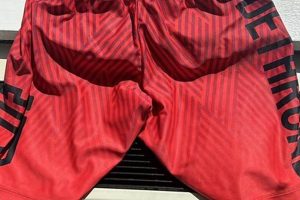
Mixed martial arts apparel encompasses a range of specialized garments designed for training and competition. These garments include fight shorts, rash guards, compression wear, gloves, and protective gear like headgear and shin guards. For instance, fight shorts are typically made from durable, flexible fabrics that allow for a full range of motion, while rash guards offer protection against skin abrasions and mat burns.
Appropriate attire plays a crucial role in both performance and safety within mixed martial arts. Performance-enhancing features include moisture-wicking fabrics that regulate body temperature and compression elements that support muscles and improve blood flow. From a safety perspective, specialized equipment like gloves and headgear minimizes the risk of injury during training and competition. The evolution of this specialized athletic wear has mirrored the development of the sport itself, moving from basic adaptations of other combat sports attire to highly technical designs tailored to the specific demands of mixed martial arts.
This article will further explore key topics related to mixed martial arts apparel, including fabric technology, design innovations, and the influence of apparel sponsorships on the sport. It will also examine the distinct needs of training versus competition wear, and discuss the selection criteria for different levels of participation.
Tips for Selecting Mixed Martial Arts Apparel
Choosing appropriate attire is essential for both performance and safety in mixed martial arts. The following tips offer guidance for selecting suitable gear.
Tip 1: Prioritize Functionality over Aesthetics: While visually appealing gear can be motivating, the primary focus should be on functionality and performance benefits. Durable, flexible fabrics and well-constructed seams are crucial for withstanding the rigors of training and competition.
Tip 2: Select Appropriate Fabric Technology: Moisture-wicking materials are vital for regulating body temperature and preventing discomfort. Look for fabrics that offer breathability and quick-drying properties.
Tip 3: Ensure Proper Fit: Ill-fitting garments can restrict movement and hinder performance. Gear should be snug but not constricting, allowing for a full range of motion.
Tip 4: Consider the Level of Training: Training needs differ from competition requirements. While durable, heavyweight materials might be suitable for grappling practice, lighter, more flexible options are often preferred for sparring or competition.
Tip 5: Choose Protective Gear Wisely: High-quality protective gear, such as gloves, headgear, and shin guards, is crucial for minimizing the risk of injury. Ensure proper fit and certification for intended use.
Tip 6: Understand Regulations and Requirements: Competition often mandates specific apparel guidelines. Adhering to these regulations is essential for participation.
Tip 7: Invest in Quality Equipment: While budget considerations are important, investing in well-made gear can enhance performance, comfort, and longevity.
By carefully considering these factors, athletes can optimize their performance, safety, and overall training experience.
This guidance provides a foundation for making informed decisions regarding mixed martial arts apparel. The following sections will further delve into specific equipment categories and offer detailed selection criteria.
1. Performance
Performance in mixed martial arts is directly influenced by the apparel worn. Optimal performance hinges on unrestricted movement, effective thermoregulation, and muscle support. Specialized fightwear addresses these needs through design and material science. For instance, compression garments enhance blood flow and reduce muscle oscillation, leading to decreased fatigue and improved power output. Similarly, lightweight, flexible fight shorts constructed from moisture-wicking fabrics facilitate dynamic movement and prevent overheating. The absence of suitably designed apparel can negatively impact performance through restricted mobility, discomfort, and increased risk of injury.
Consider a fighter wearing ill-fitting shorts that restrict kicking range or heavy, non-breathable fabric that traps heat and moisture. This can lead to decreased agility, premature fatigue, and reduced reaction time, ultimately hindering performance. Conversely, a fighter equipped with properly fitted compression gear and lightweight, breathable shorts can move freely, maintain optimal body temperature, and maximize energy efficiency. This advantage translates to improved stamina, enhanced speed, and greater overall performance capacity.
Understanding the relationship between performance and mixed martial arts apparel is crucial for athletes seeking to maximize their potential. Choosing appropriate gear is not simply a matter of aesthetics or brand preference, but a strategic decision that directly impacts competitive outcomes. Properly selected attire serves as an extension of the athlete’s physical capabilities, facilitating optimal movement, thermoregulation, and injury prevention, thereby contributing significantly to overall success in the demanding arena of mixed martial arts.
2. Safety

Safety within mixed martial arts training and competition relies heavily on appropriate attire. Protective gear, such as gloves, headgear, shin guards, and mouthguards, serves as the primary defense against impact and abrasion injuries. Properly fitted gloves, for example, disperse the force of blows, minimizing the risk of fractures and concussions. Similarly, shin guards protect against bone bruising and lacerations, while headgear mitigates the severity of head trauma. The absence or inadequate quality of such equipment elevates the risk of serious injury, potentially leading to long-term health consequences.
Consider a sparring session without proper hand protection. The risk of hand and wrist injuries, including boxer’s fractures and carpal bone damage, increases significantly. Similarly, neglecting to wear shin guards during grappling or striking practice elevates the vulnerability to contusions, lacerations, and even fractures. Conversely, using certified, well-maintained equipment significantly reduces these risks. A fighter wearing appropriate hand and shin protection can train with greater intensity and confidence, knowing that the likelihood of sustaining a debilitating injury is minimized. This, in turn, promotes more productive training sessions and fosters long-term athletic development.
Prioritizing safety through appropriate attire is paramount in the demanding environment of mixed martial arts. This necessitates not only acquiring suitable equipment but also ensuring its proper fit and maintenance. Neglecting this crucial aspect can lead to preventable injuries, hindering training progress and jeopardizing long-term athletic health. A thorough understanding of safety requirements and a commitment to utilizing proper attire are indispensable for fostering a secure and productive training environment, promoting athlete well-being, and ensuring the long-term sustainability of participation in this demanding sport.
3. Comfort
Comfort plays a pivotal role in mixed martial arts performance, directly impacting an athlete’s ability to train effectively and compete optimally. Apparel designed specifically for this demanding sport prioritizes comfort through several key features. Moisture-wicking fabrics draw sweat away from the skin, regulating body temperature and preventing discomfort caused by overheating or chilling. Seamless construction or strategically placed flatlock seams minimize chafing and irritation, allowing for unrestricted movement and reducing distractions during training or competition. Compression garments provide muscle support and enhance blood flow, reducing fatigue and promoting quicker recovery. The absence of these comfort-focused design elements can negatively impact performance, leading to distractions, discomfort, and decreased efficiency.
Consider a fighter grappling in a rash guard with rough seams. The constant friction against the skin can lead to chafing and discomfort, diverting focus from the technical aspects of the training. Alternatively, a fighter wearing a seamless or flatlock seam rash guard can train without distraction, concentrating fully on technique and strategy. Similarly, wearing loose-fitting or non-breathable shorts can restrict movement and trap heat, leading to discomfort and fatigue. Conversely, lightweight, form-fitting fight shorts made from moisture-wicking material promote freedom of movement and optimal thermoregulation, allowing the athlete to perform at their best. These seemingly minor details can significantly impact overall performance and training effectiveness.
Optimizing comfort through appropriate apparel selection is essential for maximizing performance and minimizing distractions in mixed martial arts. While protection and durability remain critical considerations, comfort plays a crucial role in enabling athletes to train and compete at their highest potential. Prioritizing comfort-focused design features, such as moisture-wicking fabrics, strategic seam placement, and compression elements, allows athletes to focus on technique, strategy, and maximizing their physical capabilities, ultimately contributing to both training effectiveness and competitive success. This attention to detail underscores the significance of comfort as a key factor in achieving peak performance in this demanding sport.
4. Durability

Durability stands as a critical factor in mixed martial arts apparel, directly impacting the longevity, performance, and cost-effectiveness of the gear. The demanding nature of the sport, characterized by intense physical contact, grappling, and exposure to sweat and mat friction, necessitates apparel constructed from robust materials and reinforced stitching. Durable fightwear withstands the rigors of training and competition, maintaining its structural integrity and protective qualities over extended periods. This resilience translates to fewer replacements, representing long-term cost savings and ensuring consistent performance. Conversely, apparel lacking durability necessitates frequent replacements, increasing expenses and potentially compromising performance due to equipment failure at critical moments.
Consider a pair of fight shorts constructed from lightweight, tear-resistant fabric with reinforced seams. These shorts can withstand the stresses of repeated grappling exchanges, takedowns, and impacts, maintaining their functionality and protective qualities over numerous training sessions and competitions. Conversely, shorts made from less durable materials may tear or abrade quickly, requiring frequent replacement and potentially exposing the athlete to skin abrasions or compromising performance due to equipment failure. Similarly, durable rash guards resist tearing and maintain their compression qualities, providing consistent support and protection over time. The investment in durable gear represents a commitment to long-term performance and cost-effectiveness, ensuring consistent training and minimizing disruptions due to equipment failure.
The durability of mixed martial arts apparel directly correlates with both performance longevity and economic efficiency. Selecting gear constructed from high-quality, resilient materials designed to withstand the specific stresses of the sport ensures consistent performance, minimizes the need for frequent replacements, and represents a sound investment for athletes committed to long-term training and competition. Understanding the importance of durability enables informed purchasing decisions, ultimately contributing to enhanced training experiences and promoting sustained engagement within the sport.
5. Regulations

Regulations governing mixed martial arts apparel are essential for ensuring fair competition, athlete safety, and the sport’s overall integrity. These rules, often specific to the organizing body or competition level, dictate permissible attire, construction specifications, and allowable branding. Adherence to these regulations is mandatory for participation, and understanding them is crucial for both athletes and event organizers.
- Safety Standards:
Regulations often mandate specific safety features in competition apparel. Gloves must meet specified weight and padding requirements to minimize the risk of hand and head injuries. Similarly, regulations may stipulate the use of approved headgear, groin protection, and mouthguards, all designed to mitigate potential harm. These standardized safety requirements ensure a level playing field and prioritize athlete well-being.
- Material and Design Restrictions:
Rules often govern the permitted materials and design elements of fightwear. Restrictions may prohibit the use of certain fabrics, attachments, or padding that could provide an unfair advantage or pose a safety risk to the opponent. For example, regulations may prohibit the use of greased or oiled skin, along with clothing featuring sharp edges, metal components, or excessive padding that could absorb or deflect blows inappropriately. These restrictions maintain competitive balance and prevent potential harm.
- Branding and Sponsorship Guidelines:
Regulations often address the placement, size, and content of branding and sponsorship logos on fightwear. These rules aim to maintain a professional image for the sport and manage advertising visibility. Restrictions might limit the number of sponsor logos allowed, specify permissible locations on the apparel, or prohibit the display of certain types of branding deemed offensive or inappropriate. These guidelines ensure consistent presentation and manage commercial aspects of the sport.
- Uniformity and Identification:
Regulations often mandate specific uniform requirements to facilitate clear identification of competitors and maintain a consistent visual presentation. This can include requirements for specific colors or styles of shorts or rash guards, often differentiating competitors based on weight class or assigned corner. Clear identification ensures accurate scoring and officiating and contributes to the professional presentation of the sport.
These regulatory facets demonstrate the crucial role of standardized apparel guidelines in maintaining the integrity and safety of mixed martial arts competition. Understanding and adhering to these regulations are paramount for all participants, ensuring fair play, minimizing the risk of injury, and promoting the professional image of the sport. From safety standards and material specifications to branding guidelines and uniform requirements, these regulations form a framework that governs the permissible attire within the competitive arena, contributing to the overall structure and sustainability of mixed martial arts as a professional sport.
6. Hygiene

Maintaining proper hygiene practices is crucial in the context of mixed martial arts apparel, impacting both athlete health and equipment longevity. Given the close physical contact inherent in the sport, coupled with the warm, humid training environments that promote bacterial growth, meticulous hygiene protocols are essential for mitigating the risk of skin infections, fungal growth, and the transmission of communicable diseases. Neglecting hygiene practices not only jeopardizes individual athlete health but can also contribute to the spread of infections within training facilities, impacting the broader training community.
- Regular Cleaning:
Frequent washing of mixed martial arts apparel is paramount for removing sweat, bacteria, and other contaminants. Utilizing appropriate detergents and washing cycles designed for athletic wear helps maintain the integrity of the fabric and remove potentially harmful microorganisms. Failing to regularly clean training gear can lead to the proliferation of bacteria and fungi, increasing the risk of skin infections such as ringworm, staph infections, and impetigo.
- Proper Drying:
Thoroughly drying apparel after washing is crucial for preventing the growth of mold and mildew, which can cause unpleasant odors and potential health issues. Air drying is often preferred to machine drying, as high heat can damage certain fabrics and elastic components, shortening the lifespan of the gear. Proper drying techniques contribute to maintaining the hygiene and longevity of mixed martial arts apparel.
- Material Selection:
Choosing apparel made from moisture-wicking and antimicrobial materials can significantly contribute to maintaining hygiene. Moisture-wicking fabrics draw sweat away from the skin, reducing the environment conducive to bacterial growth. Antimicrobial materials further inhibit the proliferation of microorganisms, providing an additional layer of defense against infections. These material properties are crucial for maintaining hygiene and athlete health.
- Personal Hygiene Practices:
Individual hygiene practices, such as showering before and after training, using anti-fungal sprays and powders, and keeping fingernails and toenails trimmed, are equally important in maintaining overall hygiene in the context of mixed martial arts apparel. These practices minimize the introduction of bacteria and fungi to the training environment, reducing the risk of infections for both the individual and their training partners.
These interconnected facets of hygiene underscore the critical role of cleanliness in maintaining athlete health and equipment longevity within mixed martial arts. Adhering to rigorous hygiene protocols, encompassing regular cleaning, proper drying techniques, material selection, and personal hygiene practices, safeguards against the spread of infections, contributes to the longevity of training gear, and fosters a healthier and safer training environment for all participants. Neglecting these practices can lead to a variety of health issues, impacting individual athletes and potentially disrupting training schedules and overall team performance. Therefore, prioritizing hygiene within mixed martial arts is not merely a matter of personal cleanliness but a fundamental aspect of responsible training and competition.
Frequently Asked Questions
This section addresses common inquiries regarding mixed martial arts apparel, providing concise and informative responses to facilitate informed decision-making and enhance understanding of this essential aspect of the sport.
Question 1: What are the essential pieces of apparel for mixed martial arts training?
Essential training apparel includes fight shorts, a rash guard or compression shirt, mouthguard, and appropriate protective gear depending on the training focus (e.g., boxing gloves, MMA gloves, shin guards, headgear). Proper footwear, such as wrestling shoes or MMA-specific shoes, may also be required.
Question 2: How does one choose the correct size and fit for fight shorts and rash guards?
Fight shorts should allow for a full range of motion without being excessively loose. Rash guards should fit snugly to provide compression and prevent chafing, but not restrict movement. Consulting size charts provided by manufacturers is recommended, along with considering individual body types and preferences.
Question 3: What are the key differences between training and competition apparel?
While similar in basic design, competition apparel often adheres to specific regulatory requirements regarding branding, color, and material. Competition gloves typically have less padding than training gloves to maximize striking impact. Certain protective gear, like headgear, may be mandatory for training but prohibited in professional competition.
Question 4: How frequently should mixed martial arts apparel be washed?
Given the intense physical contact and sweating involved in mixed martial arts, washing apparel after each training session is strongly recommended to maintain hygiene and prevent the spread of bacteria and fungi. This practice also prolongs the lifespan of the gear.
Question 5: What materials are best suited for mixed martial arts apparel?
High-performance synthetic fabrics, such as polyester and spandex blends, are commonly used for their moisture-wicking, durability, and flexibility. Look for materials that offer breathability, quick-drying properties, and resistance to abrasion and tearing.
Question 6: Where can one purchase reputable mixed martial arts apparel?
Reputable sporting goods retailers, specialized martial arts stores, and online retailers specializing in combat sports equipment offer a wide selection of mixed martial arts apparel. Researching brands and reading product reviews can assist in selecting quality gear.
This FAQ section provides a foundational understanding of key considerations related to mixed martial arts apparel. Consulting with experienced athletes or coaches can offer further personalized guidance.
The subsequent sections will delve into specific product recommendations and brand comparisons to assist in making informed purchasing decisions.
Conclusion
This exploration of mixed martial arts apparel has highlighted its crucial role in optimizing performance, ensuring safety, and promoting hygiene within the sport. From the technical design of fight shorts and rash guards to the protective qualities of gloves and headgear, appropriate attire directly impacts an athlete’s training effectiveness and competitive success. The discussion encompassed material science, design innovations, regulatory compliance, and the importance of hygiene protocols, underscoring the multifaceted nature of this essential equipment category.
Effective engagement in mixed martial arts necessitates a thorough understanding of apparel selection, maintenance, and adherence to relevant regulations. This knowledge empowers athletes to make informed decisions that enhance performance, mitigate risks, and contribute to the overall professionalism and sustainability of the sport. Continued advancements in fabric technology and design promise further enhancements to mixed martial arts apparel, driving innovation and optimizing the athletic experience for future generations of competitors.