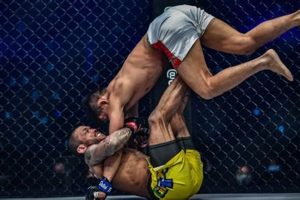
The combination of mixed martial arts (MMA) and the Alexander Technique refers to the integration of this mind-body method into the training and performance of MMA fighters. The Alexander Technique addresses habitual patterns of movement and posture, promoting improved balance, coordination, and efficiency. An example would be a fighter using the principles of the Alexander Technique to enhance their footwork, reducing unnecessary tension and improving agility.
This integration can offer significant advantages to practitioners of mixed martial arts. By cultivating greater body awareness, fighters can optimize power generation, reduce the risk of injury, and improve reaction time. Historically, the Alexander Technique has been employed by performers and athletes in various disciplines to enhance their physical skills and manage performance anxiety. Its application within the demanding context of MMA provides a valuable tool for achieving peak performance and maintaining physical longevity in a high-impact sport.
Further exploration of this topic will cover the specific applications of the Alexander Technique within MMA training, the potential impact on competitive performance, and the experiences of fighters who have integrated this method into their regimens. Additional areas of investigation include the role of the Alexander Technique in injury prevention and rehabilitation within the context of mixed martial arts.
Tips for Integrating the Alexander Technique into MMA Training
The following tips offer practical guidance on incorporating the Alexander Technique into mixed martial arts training to enhance performance and reduce the risk of injury.
Tip 1: Cultivate Body Awareness: Regularly observe postural habits and movement patterns during training. Identify areas of excess tension or inefficient movement.
Tip 2: Focus on “Non-Doing:” Before initiating movements, practice conscious inhibition, momentarily pausing to prevent habitual tension patterns from taking over.
Tip 3: Direct Upward Release: Visualize a lengthening of the spine and a widening of the back, promoting greater freedom and ease of movement.
Tip 4: Integrate into Specific Techniques: Apply Alexander principles to specific MMA techniques, such as striking, grappling, and footwork, to refine execution and efficiency.
Tip 5: Breathe Consciously: Coordinate breath with movement, facilitating greater relaxation and oxygen flow to muscles.
Tip 6: Seek Qualified Instruction: Consult with a certified Alexander Technique teacher experienced in working with athletes to personalize instruction and address individual needs.
By consistently applying these principles, athletes can develop greater body awareness, improve coordination, and optimize performance in mixed martial arts.
These practical tips provide a foundation for integrating the Alexander Technique into MMA training. The subsequent conclusion will summarize the key benefits and highlight the potential for improved performance and injury prevention.
1. Body awareness

Body awareness forms a cornerstone of applying the Alexander Technique within mixed martial arts. It cultivates a heightened sensitivity to habitual postural and movement patterns, many of which can hinder performance and increase the risk of injury. In MMA, split-second decisions and precise movements are crucial. Enhanced body awareness allows fighters to identify and address unnecessary tension, promoting fluidity, efficiency, and responsiveness. For example, a fighter with heightened body awareness might recognize tension in their shoulders during a grappling exchange, enabling them to release the tension and improve mobility, potentially leading to a more advantageous position. The improved proprioception fostered by this awareness can also enhance balance and coordination, essential for executing complex techniques and reacting effectively to an opponent’s movements.
This enhanced sensitivity offers several practical advantages. It enables fighters to fine-tune techniques, optimizing power generation while minimizing wasted energy. By recognizing and correcting inefficient movement patterns, athletes can reduce strain on joints and muscles, mitigating the risk of common MMA injuries such as sprains, strains, and overuse syndromes. Moreover, increased body awareness promotes a deeper understanding of one’s own physical limitations and capabilities, enabling fighters to train more strategically and make informed decisions during competition. This understanding can lead to more effective training regimens, focusing on targeted improvements and individualized adjustments based on the fighter’s unique needs.
Cultivating body awareness through the Alexander Technique provides a foundation for improved performance and injury prevention in the demanding sport of MMA. This awareness becomes a tool for continuous refinement, enabling fighters to adapt, evolve, and maximize their potential. While developing this heightened sensitivity requires dedicated practice and guidance, the potential rewards extend beyond the ring, contributing to overall well-being and physical longevity.
2. Injury prevention

Injury prevention represents a critical aspect of integrating the Alexander Technique into mixed martial arts training. The physically demanding nature of MMA, involving repetitive high-impact movements and explosive bursts of energy, places considerable stress on the body. The Alexander Technique addresses a key factor contributing to injuries: inefficient movement patterns. By cultivating greater body awareness and promoting more balanced, coordinated movement, fighters can significantly reduce their susceptibility to common MMA-related injuries. The technique emphasizes releasing unnecessary muscular tension, which often arises from habitual postural misalignments and inefficient movement habits. This excess tension can restrict movement, placing undue stress on joints and increasing the likelihood of strains, sprains, and other injuries. For instance, a fighter habitually clenching their jaw might experience neck and shoulder tension, increasing their vulnerability to injury during grappling. By applying the Alexander Technique to release this tension, the fighter can move with greater freedom and reduce the strain on these vulnerable areas.
The principles of the Alexander Technique offer practical applications for injury prevention in various MMA scenarios. Improved postural alignment can enhance stability and balance, reducing the risk of falls and awkward landings. Greater efficiency in movement reduces wasted energy and minimizes strain on joints during striking and grappling. The emphasis on breathing coordination further supports injury prevention by promoting relaxation and ensuring adequate oxygen flow to muscles, reducing fatigue and enhancing recovery. Consider a fighter executing a takedown. By applying the Alexander Technique, they can maintain a more balanced and aligned posture, reducing the risk of knee or ankle injuries during the impact of the takedown. This enhanced control over movement translates to a safer and more sustainable training approach, promoting long-term athletic health.
Integrating the Alexander Technique into MMA training provides a proactive approach to injury prevention. It empowers fighters to address the root causes of many common injuries by improving movement quality and reducing unnecessary stress on the body. This approach not only minimizes time lost due to injury but also contributes to a longer and more fulfilling career in the demanding sport of mixed martial arts. The focus on efficient, balanced movement cultivates a more sustainable training regimen, supporting both immediate performance enhancement and long-term physical well-being. While the physical demands of MMA remain significant, the Alexander Technique provides a framework for navigating these challenges and mitigating the inherent risks associated with this intense sport.
3. Efficient Movement
Efficient movement is a core principle within the application of the Alexander Technique to mixed martial arts (MMA). It signifies performing movements with minimal wasted energy, maximizing power output while reducing strain on the body. In the context of “MMA Alexander,” efficient movement translates to enhanced performance, reduced fatigue, and a decreased risk of injury. This principle allows fighters to execute techniques with greater precision, speed, and control, providing a competitive edge.
- Reduced Tension:
The Alexander Technique emphasizes releasing unnecessary muscular tension, a common source of inefficient movement. By consciously inhibiting habitual tension patterns, fighters can move more freely and fluidly. For example, a fighter applying the Alexander Technique might release tension in their shoulders and neck, allowing for a more relaxed and powerful punch. This reduction in tension also improves energy conservation, allowing fighters to maintain peak performance for longer periods.
- Improved Coordination:
Efficient movement relies on coordinated action between different muscle groups. The Alexander Technique cultivates improved coordination by promoting balanced and integrated movement throughout the body. This enhanced coordination translates to smoother transitions between techniques, greater agility, and improved reaction time. For example, a fighter utilizing this principle might transition more seamlessly from a striking stance to a takedown, capitalizing on an opponent’s vulnerability.
- Optimized Biomechanics:
The Alexander Technique encourages movements that align with the body’s natural biomechanics. This optimization minimizes strain on joints and maximizes power generation. By moving in accordance with natural skeletal structure and muscle function, fighters can generate greater force with less effort, improving the effectiveness of strikes, takedowns, and grappling maneuvers. For example, a fighter applying these principles might generate more power in their kicks by utilizing the full range of motion in their hips and legs, while maintaining a stable and balanced posture.
- Enhanced Breathing:
Breathing plays a crucial role in efficient movement. The Alexander Technique emphasizes coordinating breath with movement, ensuring adequate oxygen supply to muscles and promoting relaxation. This integration of breath and movement enhances stamina, reduces fatigue, and contributes to overall physical control. For instance, a fighter might coordinate their breath with a series of punches, ensuring optimal oxygen flow and maintaining a relaxed and controlled state during the exchange.
These facets of efficient movement contribute significantly to improved performance in MMA. By integrating the Alexander Technique into training, fighters can optimize their movement patterns, enhancing power, speed, and endurance while minimizing the risk of injury. The focus on reducing tension, improving coordination, and optimizing biomechanics results in a more fluid, dynamic, and effective fighting style. This holistic approach to movement enhances not only physical performance but also mental focus and resilience, essential attributes for success in the demanding world of mixed martial arts.
4. Enhanced breathing
Enhanced breathing constitutes a critical link between the Alexander Technique and improved performance in mixed martial arts. The Alexander Technique emphasizes conscious control and coordination of breath, which has profound implications for both physical and mental states. In the high-pressure, physically demanding environment of MMA, optimized breathing provides a crucial advantage. It facilitates efficient oxygen delivery to muscles, enhancing stamina and delaying fatigue. Furthermore, controlled breathing promotes relaxation, reducing performance anxiety and improving focus under stress. This integration of breath control with physical technique distinguishes “MMA Alexander” as a holistic approach to training. For example, a fighter employing the Alexander Technique might utilize specific breathing patterns during grappling exchanges, maintaining a calm and focused state while maximizing oxygen intake for sustained exertion. Another example could involve coordinating breath with striking combinations, ensuring efficient energy expenditure and reducing the likelihood of premature fatigue.
The practical significance of enhanced breathing within “MMA Alexander” extends beyond mere physical benefits. Controlled breathing influences the autonomic nervous system, regulating the body’s stress response. This regulation proves invaluable in the high-stakes environment of MMA competition, where managing adrenaline and maintaining composure are essential for optimal performance. Moreover, enhanced breathing can improve recovery rates after intense training sessions, mitigating the risk of overtraining and promoting long-term athletic development. The ability to regulate breathing during periods of high exertion also improves pain management and reduces the likelihood of succumbing to fatigue-induced lapses in technique, which can create vulnerabilities during a fight. This conscious control of breath provides a powerful tool for self-regulation, enhancing both physical resilience and mental fortitude.
Cultivating enhanced breathing through the Alexander Technique provides a foundation for improved performance and resilience in MMA. It offers a practical method for managing stress, optimizing energy expenditure, and promoting recovery. While mastering this skill requires dedicated practice and mindful attention, the benefits extend beyond the physical realm, contributing to a more integrated and effective approach to MMA training and competition. This integrated approach fosters a greater sense of control and empowers fighters to perform at their peak, even under intense pressure. The integration of mind and body through breath control distinguishes “MMA Alexander” as a comprehensive training methodology, promoting both physical prowess and mental acuity.
5. Stress Management

Stress management forms an integral component of the “MMA Alexander” approach, recognizing the significant impact of stress on performance in mixed martial arts. MMA competition presents a unique combination of physical and psychological stressors, ranging from intense physical exertion and the risk of injury to the pressure of competition and the unpredictable nature of combat. The Alexander Technique provides tools for managing these stressors, enhancing both physical and mental resilience. It cultivates self-awareness, enabling fighters to recognize and address stress responses in real-time. This awareness extends to both physical tension and mental states, providing a framework for regulating reactions under pressure. For instance, a fighter experiencing pre-fight anxiety might utilize Alexander Technique principles to release tension in their breathing, promoting a calmer and more focused mental state. Similarly, during a fight, the technique can help a fighter maintain composure and avoid impulsive reactions when facing an aggressive opponent or unexpected challenges. The emphasis on conscious control and mindful presence cultivated through the Alexander Technique allows fighters to navigate stressful situations with greater clarity and control.
The practical application of stress management techniques derived from the Alexander Technique extends beyond the competitive arena. The ability to regulate stress responses benefits training regimens, promoting greater focus and reducing the likelihood of performance anxiety hindering skill development. Moreover, these techniques translate to everyday life, equipping fighters with tools to manage stress outside of training and competition. By developing mindful awareness of physical and mental states, fighters can proactively address stress triggers and maintain a more balanced and resilient approach to challenges both inside and outside the ring. This holistic approach to stress management enhances not only athletic performance but also overall well-being. For example, a fighter might use the Alexander Technique to manage stress related to weight cutting, a common practice in MMA. By consciously addressing physical and mental tension associated with weight cutting, fighters can navigate this challenging process more effectively, minimizing its negative impact on performance and overall health.
Integrating stress management principles derived from the Alexander Technique enhances the “MMA Alexander” approach, providing fighters with a comprehensive toolkit for navigating the multifaceted challenges of mixed martial arts. By cultivating self-awareness, conscious control, and mindful presence, fighters can optimize their performance, improve resilience, and enhance their overall well-being. This integration of physical and mental training distinguishes “MMA Alexander” as a holistic methodology, recognizing the interconnectedness of mind and body in achieving peak performance and navigating the complex demands of this demanding sport. While the physical demands of MMA are undeniable, the ability to manage stress effectively often proves to be the decisive factor in determining success, both inside and outside the competitive environment.
Frequently Asked Questions about the Alexander Technique in MMA
This FAQ section addresses common inquiries regarding the integration of the Alexander Technique into mixed martial arts training.
Question 1: How does the Alexander Technique differ from other mind-body practices like yoga or meditation?
While sharing some similarities with other mind-body disciplines, the Alexander Technique distinguishes itself through its focus on conscious control of movement and posture in everyday activities. It addresses habitual patterns of tension and inefficiency, promoting improved coordination and balance. Unlike yoga or meditation, which often involve specific postures or practices, the Alexander Technique integrates its principles into all movements, enhancing overall functional movement.
Question 2: Is the Alexander Technique suitable for all levels of MMA fighters?
The Alexander Technique offers benefits to individuals at all levels of MMA experience, from beginners to seasoned professionals. It provides a framework for improving movement efficiency, reducing injury risk, and managing stress, all of which contribute to enhanced performance regardless of skill level.
Question 3: How long does it take to see results from incorporating the Alexander Technique into MMA training?
The timeframe for observable results varies depending on individual factors such as training frequency, commitment to practice, and the specific goals of the individual. Some individuals may experience immediate improvements in body awareness and movement quality, while others may require more time to integrate the principles fully. Consistent practice is key to realizing the full benefits.
Question 4: Can the Alexander Technique replace traditional strength and conditioning programs for MMA fighters?
The Alexander Technique complements, rather than replaces, traditional strength and conditioning programs. It enhances the effectiveness of these programs by promoting efficient movement patterns and reducing the risk of injury. It functions as a valuable addition to a comprehensive training regimen, optimizing overall performance.
Question 5: Are there any specific challenges associated with integrating the Alexander Technique into MMA training?
One potential challenge lies in unlearning ingrained movement habits and adopting new patterns of coordination. This process requires patience, self-awareness, and consistent practice. Seeking guidance from a qualified Alexander Technique teacher experienced in working with athletes can facilitate this process.
Question 6: How can one find a qualified Alexander Technique teacher with experience in working with MMA fighters?
Several professional organizations certify Alexander Technique teachers. Inquiries to these organizations can provide referrals to teachers with relevant experience in working with athletes. Additionally, online resources and personal recommendations within the MMA community can assist in finding qualified instructors.
The Alexander Technique offers valuable tools for enhancing performance, preventing injuries, and managing stress within the demanding context of mixed martial arts. It represents a complementary approach, integrating seamlessly with existing training regimens to promote overall athletic development.
The next section will explore case studies and testimonials from MMA fighters who have incorporated the Alexander Technique into their training and experienced its benefits firsthand.
The Alexander Technique in MMA
This exploration has examined the integration of the Alexander Technique into the realm of mixed martial arts, highlighting the potential benefits for fighters seeking enhanced performance, injury prevention, and stress management. The core principles of body awareness, efficient movement, enhanced breathing, and stress management techniques derived from the Alexander Technique offer a comprehensive approach to training, complementing existing physical and mental conditioning regimens. The technique addresses habitual movement patterns and promotes optimized biomechanics, leading to greater power generation, improved agility, and reduced strain on the body. Furthermore, the emphasis on breath control and stress regulation equips fighters with valuable tools for managing the psychological demands of competition, fostering resilience and maintaining focus under pressure.
The integration of the Alexander Technique within MMA training represents a paradigm shift, moving beyond purely physical training towards a more holistic approach that recognizes the interconnectedness of mind and body. Further research and practical application within the MMA community hold the potential to refine training methodologies and maximize the benefits of this integrated approach. The cultivation of body awareness, efficient movement, and stress resilience through the Alexander Technique represents not merely a performance enhancer but a pathway to sustainable athletic development, promoting longevity and overall well-being within the demanding sport of mixed martial arts. This approach holds promise for transforming the training landscape of MMA, empowering fighters to achieve peak performance while prioritizing long-term physical and mental health.