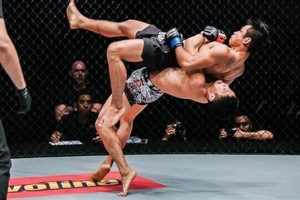
Mixed Martial Arts (MMA) is a full-contact combat sport that allows a wide variety of fighting techniques, from striking and grappling to takedowns and submissions. A typical MMA bout might see a competitor utilizing boxing punches and kicks alongside wrestling takedowns and Brazilian Jiu-Jitsu submissions.
This multifaceted approach demands rigorous training and discipline, fostering physical prowess, mental fortitude, and strategic thinking. Its evolution draws from various martial arts traditions globally, reflecting a rich history of combat sports and self-defense systems. The rising popularity of MMA has contributed to a greater understanding and appreciation of different martial arts disciplines and their practical applications.
The following sections will delve into the specific techniques, training regimens, safety regulations, and cultural impact associated with this dynamic and evolving sport. Further exploration will also cover the prominent figures, organizations, and the future trajectory of mixed martial arts.
Training Tips for Mixed Martial Arts
Success in mixed martial arts requires dedication, discipline, and a strategic approach to training. The following tips offer guidance for individuals at various stages of their MMA journey.
Tip 1: Discipline is Key: Consistent training is crucial for skill development and physical conditioning. Establish a regular training schedule and adhere to it diligently.
Tip 2: Diversify Training: MMA incorporates various disciplines. Allocate training time to striking, grappling, wrestling, and other relevant areas to develop a well-rounded skill set.
Tip 3: Prioritize Conditioning: Cardiovascular fitness, strength, and flexibility are essential. Incorporate exercises that target these areas to enhance performance and reduce the risk of injury.
Tip 4: Focus on Technique: Proper technique is paramount for effectiveness and injury prevention. Seek qualified instruction and dedicate time to refining fundamental movements.
Tip 5: Sparring and Competition: Controlled sparring provides valuable experience and allows practitioners to test their skills in a simulated combat environment. Consider participating in amateur competitions to gain experience and assess progress.
Tip 6: Recovery and Nutrition: Adequate rest and proper nutrition are crucial for muscle recovery and overall performance. Prioritize sleep, hydration, and a balanced diet.
Tip 7: Mental Fortitude: Mental strength is as important as physical ability. Cultivate resilience, focus, and a positive mindset to overcome challenges and perform under pressure.
Consistent application of these training principles will contribute to improved technique, enhanced performance, and a greater appreciation for the complexities of mixed martial arts. These foundational elements pave the way for continued growth and success within the sport.
By understanding and implementing these strategies, individuals can embark on a rewarding journey in mixed martial arts, fostering both physical and mental development. The subsequent conclusion will summarize the key aspects discussed throughout this article.
1. Combat Sport
The term “combat sport” encapsulates the essence of mixed martial arts (MMA), the Persian translation of which ( mma) literally incorporates the word “sport” (). MMA’s core principle revolves around regulated physical competition between two trained individuals. This distinguishes it from self-defense systems, which prioritize practical application for real-world threats. As a combat sport, MMA operates within a structured framework of rules and weight classes, ensuring fairness and minimizing the risk of serious injury. Examples include the Unified Rules of Mixed Martial Arts, adopted by many major organizations, which dictate permissible techniques, round durations, and judging criteria. This framework facilitates objective evaluation and ranking of competitors based on skill and performance within a controlled environment.
The combat sport element fosters the development of specific attributes vital for success in MMA. Competitors undergo rigorous training regimens encompassing various martial arts disciplines to cultivate proficiency in striking, grappling, and submissions. The competitive environment further hones these skills, promoting adaptability, strategic thinking, and mental resilience under pressure. For instance, a fighter might analyze an opponent’s strengths and weaknesses to develop a tailored game plan, employing specific techniques to exploit vulnerabilities and secure victory. This strategic element adds depth and complexity to the physical contest, elevating it beyond mere brawling.
Understanding MMA as a combat sport provides a critical lens for analyzing its evolution and impact. The formalization of rules and regulations has played a significant role in its mainstream acceptance and global popularity. By establishing a clear framework for competition, MMA has attracted athletes from diverse martial arts backgrounds, fostering innovation and driving continuous development within the sport. However, challenges remain, particularly regarding athlete safety and the long-term health consequences of repeated head trauma. Continued research and refinement of regulations are essential for the sustainable growth and integrity of MMA as a respected combat sport.
2. Diverse Techniques

A defining characteristic of mixed martial arts (MMA), known as mma in Persian, is its incorporation of diverse fighting techniques. This distinguishes it from more traditional martial arts that often focus on a single discipline. The integration of various styles creates a complex and dynamic combat system, demanding adaptability and a broad skill set from practitioners. This section explores the core facets of this technical diversity.
- Striking:
Striking encompasses techniques delivered while standing, such as punches, kicks, knees, and elbows, drawing influence from boxing, Muay Thai, karate, and taekwondo. A fighter might utilize boxing combinations to set up a powerful leg kick, demonstrating the interplay between different striking styles. Effective striking requires precision, timing, and power, crucial for maintaining distance and inflicting damage.
- Grappling:
Grappling involves techniques like takedowns, throws, and clinching, often derived from wrestling, judo, and sambo. Securing a takedown can shift the fight’s momentum, allowing a fighter to control positioning and potentially transition to a dominant ground position. Grappling expertise is essential for controlling the fight’s pace and dictating where the engagement takes place.
- Submissions:
Submissions aim to force an opponent to concede defeat through joint locks or chokes, primarily drawn from Brazilian Jiu-Jitsu, catch wrestling, and judo. A fighter might use a takedown to secure a dominant position, then transition to an armbar or triangle choke. Proficiency in submissions provides a decisive path to victory, even against a physically stronger opponent.
- Defensive Maneuvers:
Defensive techniques are crucial for mitigating damage and creating opportunities for counterattacks. These include blocking, parrying, slipping punches, sprawling to defend takedowns, and escaping submission attempts. A fighter might block a punch and immediately counter with a takedown, illustrating the seamless integration of defensive and offensive maneuvers. Mastery of defensive techniques is essential for survival and success in the fast-paced environment of MMA.
The diverse techniques within MMA create a complex and dynamic combat landscape. This fusion of styles demands well-rounded training and adaptability, pushing fighters to develop proficiency in multiple disciplines. The interplay between striking, grappling, submissions, and defensive maneuvers underscores the strategic depth and technical complexity of the sport, contributing to its continued evolution and global appeal.
3. Physical Prowess

Physical prowess forms a cornerstone of success in mixed martial arts (MMA). This encompasses a range of physical attributes, including strength, speed, endurance, flexibility, and power. The demanding nature of MMA necessitates a high level of physical conditioning to execute techniques effectively, withstand the rigors of combat, and maintain performance throughout a bout. A fighters ability to generate powerful strikes, execute explosive takedowns, or maintain a dominant grappling position hinges directly on their physical capabilities. For instance, a fighter with superior cardiovascular endurance can maintain a high pace throughout a fight, potentially overwhelming an opponent who fatigues more quickly. Similarly, explosive power is crucial for delivering knockout blows or securing decisive takedowns.
The development of physical prowess in MMA requires a multifaceted training approach. Strength and conditioning programs often incorporate weightlifting, plyometrics, and calisthenics to build muscle mass, enhance power output, and improve overall resilience. Cardiovascular training, such as running, swimming, and interval training, is essential for building stamina and improving recovery between rounds. Flexibility training, through stretching and yoga, helps prevent injuries and enhances range of motion, crucial for executing various techniques effectively. Real-world examples abound: fighters renowned for their exceptional physical conditioning often demonstrate superior performance in areas like takedown defense, grappling control, and sustained striking output. Georges St-Pierre, known for his rigorous training regimen, exemplifies the impact of dedicated physical conditioning on long-term success in MMA.
A comprehensive understanding of the role of physical prowess in MMA provides valuable insights for both athletes and coaches. Recognizing the specific physical demands of the sport allows for the development of targeted training programs that optimize performance and minimize the risk of injury. While technical skill and strategic thinking are essential components of MMA, physical preparedness provides the foundation upon which these other elements are built. Neglecting physical conditioning can limit a fighter’s potential and increase vulnerability to injury. Continued advancements in sports science and training methodologies further emphasize the importance of physical prowess as a critical factor in achieving and maintaining a competitive edge in the evolving landscape of mixed martial arts.
4. Mental Discipline

Mental discipline plays a crucial role in mixed martial arts (MMA), often referred to as mma in Persian. Success in this demanding sport requires more than just physical prowess; it necessitates a strong mind capable of managing stress, maintaining focus, and making sound decisions under intense pressure. This mental fortitude enables fighters to control emotions, overcome adversity, and execute strategies effectively, even when facing physical exhaustion or challenging opponents. The ability to remain calm and focused during high-pressure situations, such as defending a submission attempt or absorbing a powerful strike, can significantly impact the outcome of a fight. Fighters who possess strong mental discipline can often push through fatigue, maintain offensive pressure, and capitalize on opportunities that arise during a bout. For example, a fighter might visualize successful outcomes and employ positive self-talk to maintain confidence and overcome pre-fight anxiety. Similarly, during a fight, mental discipline allows a competitor to remain focused on the game plan, even amidst distractions or unexpected challenges.
The cultivation of mental discipline in MMA involves various techniques and practices. Mindfulness and meditation can enhance focus and emotional regulation, allowing fighters to remain present and composed during training and competition. Visualization exercises can help athletes mentally rehearse techniques and strategies, improving execution and building confidence. Developing a strong sense of self-belief and resilience is also essential for overcoming setbacks and maintaining motivation during challenging training regimes. Many successful MMA fighters attribute their achievements to a combination of physical training and mental conditioning. For instance, fighters like Georges St-Pierre, known for his exceptional composure under pressure, have emphasized the importance of mental training alongside physical preparation. This dedicated focus on mental discipline translates into enhanced performance, improved decision-making, and greater resilience in the face of adversity.
A comprehensive understanding of the role of mental discipline provides valuable insights into the complexities of MMA. It underscores the interconnectedness of physical and mental preparedness in achieving peak performance. Recognizing the significance of mental fortitude offers practical applications for both athletes and coaches, informing training methodologies and competition strategies. While physical conditioning remains a critical component of MMA, mental discipline provides the essential framework for optimizing performance, managing stress, and achieving success in this demanding and dynamic sport. Further research into the psychological aspects of MMA can contribute to a deeper understanding of the factors that influence performance and resilience within the sport.
5. Strategic Combat
Strategic combat is integral to mixed martial arts (MMA), known as mma in Persian. Victory in MMA relies not only on physical prowess and technical skill but also on the ability to formulate and execute effective strategies. A well-defined strategy dictates how a fighter utilizes their strengths, exploits opponent weaknesses, and manages resources throughout a bout. It encompasses pre-fight analysis, in-fight adjustments, and the ability to adapt to evolving circumstances. For example, a fighter might plan to utilize their superior wrestling skills to control the fight on the ground, neutralizing an opponent’s striking advantage. Alternatively, a fighter facing a larger opponent might prioritize speed and mobility, employing hit-and-run tactics to avoid prolonged exchanges. A fighter’s strategic approach must consider factors such as reach, weight, fighting style, and previous performance. Understanding these variables and developing a tailored game plan is crucial for success in the complex and dynamic environment of MMA competition.
The practical significance of strategic combat manifests in several ways. Pre-fight analysis allows fighters to anticipate opponent tendencies and develop counter-strategies. During a bout, strategic thinking enables fighters to make informed decisions regarding when to strike, grapple, or transition between different phases of combat. Effective resource management, such as conserving energy and minimizing unnecessary risks, can be decisive, particularly in later rounds. For instance, a fighter might strategically choose to disengage from a grappling exchange if they anticipate being caught in a submission, demonstrating the importance of calculated decision-making under pressure. The evolution of MMA has seen an increasing emphasis on strategic combat, with fighters and coaches recognizing its importance in gaining a competitive edge. Successful fighters often demonstrate a deep understanding of strategic principles, adapting their approach based on opponent matchups and specific circumstances within a fight.
Strategic combat, therefore, represents a crucial dimension of MMA, highlighting the intellectual and analytical aspects of the sport. It underscores the importance of pre-fight preparation, in-fight adaptability, and the ability to execute a well-defined game plan. While physical attributes and technical skills remain essential, strategic thinking elevates MMA beyond a simple test of strength and athleticism. It transforms it into a dynamic chess match where calculated decisions, tactical adjustments, and mental fortitude can be decisive factors in determining the outcome. Further exploration of strategic principles within MMA can contribute to a deeper understanding of the sport’s complexities and its continued evolution as a sophisticated combat system.
6. Global Phenomenon

The rise of mixed martial arts (MMA), known as mma in Persian, to global prominence represents a significant development in the world of combat sports. Initially a niche interest, MMA has transcended cultural and geographical boundaries to become a widely recognized and followed sport. This global phenomenon reflects a confluence of factors, including the dynamic nature of the sport itself, effective marketing strategies, and the increasing accessibility of media coverage. The following facets explore the key components of this global expansion.
- Media Coverage and Broadcasting:
The proliferation of dedicated MMA media outlets, both online and through traditional broadcasting, has played a crucial role in its global reach. Major organizations like the UFC have secured lucrative broadcasting deals with international networks, exposing MMA to a vast audience. Events are now broadcast in numerous languages and across multiple platforms, facilitating global viewership and contributing significantly to the sport’s growing popularity. This widespread media coverage has created international stars and fostered a global fan base.
- Cross-Cultural Appeal and Participation:
MMA’s global appeal stems partly from its incorporation of various martial arts styles from around the world. This diversity resonates with different cultures and attracts practitioners from diverse backgrounds. The emergence of successful fighters from various countries, such as Brazil, Russia, and Japan, has further fueled interest and participation in their respective regions. This cross-cultural exchange of techniques and talent enriches the sport and contributes to its global growth.
- Commercialization and Sponsorship:
The increasing commercialization of MMA, through sponsorships, merchandise, and video game franchises, has further solidified its global presence. Major brands recognize the sport’s growing market value and invest heavily in sponsorships, increasing its visibility and mainstream acceptance. This commercial success allows for greater investment in athlete development, event production, and marketing, further fueling the sport’s expansion.
- Technological Influence and Social Media:
The digital age has significantly amplified MMA’s global reach. Social media platforms provide direct access to fighters, training footage, and event highlights, fostering engagement with fans worldwide. Online streaming services and digital content platforms have expanded viewing options, making the sport more accessible than ever before. This technological influence fosters a global community of fans and facilitates real-time interaction with the sport.
The convergence of these factors has propelled MMA to its current status as a global phenomenon. The sport’s dynamic nature, coupled with effective marketing and widespread media coverage, has captured the attention of a global audience. As MMA continues to evolve and adapt, its global influence is likely to expand further, solidifying its position as a prominent force in the world of combat sports.
Frequently Asked Questions about Mixed Martial Arts
This section addresses common inquiries regarding mixed martial arts (MMA), aiming to provide clear and concise information.
Question 1: Is MMA safe?
While MMA involves inherent risks, stringent regulations and safety protocols implemented by reputable organizations minimize potential harm. These include pre-fight medical examinations, weight class divisions, and rules prohibiting dangerous techniques. Continued research and advancements in safety measures contribute to mitigating risks further.
Question 2: What is the difference between MMA and other martial arts?
MMA distinguishes itself through its allowance of diverse fighting techniques, encompassing striking, grappling, and submissions. Traditional martial arts often specialize in a particular discipline, whereas MMA encourages a more versatile and adaptable approach to combat.
Question 3: How can one begin training in MMA?
Finding a reputable gym with qualified instructors is crucial. Beginner classes typically introduce fundamental techniques and conditioning exercises, gradually progressing to more advanced training methods as skill develops.
Question 4: What are the physical requirements for MMA training?
While a base level of fitness is beneficial, MMA training itself improves strength, endurance, and flexibility. Individuals of varying fitness levels can participate and benefit from training, with programs adapted to individual needs and capabilities.
Question 5: Is MMA excessively violent?
MMA is a regulated combat sport with established rules and safety measures designed to minimize serious injury. While physical contact is inherent, the sport emphasizes skill, technique, and strategy over brute force. The perceived violence often stems from unfamiliarity with the technical nuances and strategic complexities of the sport.
Question 6: What is the role of weight classes in MMA?
Weight classes ensure fair competition by matching opponents of similar size and weight, reducing the potential for significant size advantages. This promotes balanced matchups and emphasizes skill and technique over sheer physical dominance.
This FAQ section has provided concise answers to frequently asked questions, offering a clearer understanding of key aspects of mixed martial arts. This information aims to dispel common misconceptions and provide a more informed perspective on the sport.
This concludes the FAQ section. The following section will delve into the future of mixed martial arts.
Conclusion
This exploration of Mixed Martial Arts has provided a comprehensive overview of its multifaceted nature. From its origins as a synthesis of various combat disciplines to its current status as a global phenomenon, the evolution and impact of MMA are significant. Key aspects highlighted include the diverse techniques employed, the demanding physical and mental requirements, the importance of strategic combat, and the sport’s widespread popularity. The examination of training methodologies, safety considerations, and frequently asked questions further contributes to a nuanced understanding of this dynamic sport.
Mixed Martial Arts stands as a testament to human adaptability and the pursuit of physical and mental excellence. Its continued evolution promises further advancements in training techniques, strategic approaches, and safety protocols. The global reach of MMA fosters cross-cultural exchange and promotes a deeper appreciation for the diverse martial arts traditions that contribute to its rich tapestry. As the sport progresses, ongoing analysis and critical evaluation will be essential for ensuring its sustainable growth and positive impact on the global sporting landscape.