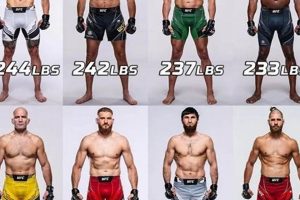
The intersection of bodybuilding and mixed martial arts represents a unique approach to combat sports training. Athletes focusing on this combined discipline prioritize developing significant muscle mass alongside the diverse skill set required for MMA competition, including striking, grappling, and submissions. For example, a competitor might incorporate heavy weightlifting routines alongside rigorous training in Brazilian Jiu-Jitsu and Muay Thai. This multifaceted training regimen can lead to a distinctive physique and potentially influence fighting style.
This blend of disciplines has evolved over time, reflecting changing understandings of athletic performance and the demands of MMA. While purely aesthetic bodybuilding may not always translate directly into effective fighting, the increased strength and power potential it offers can be advantageous. A strategically developed physique can contribute to improved punching power, grappling leverage, and overall resilience. However, it’s crucial to balance muscle development with the necessary flexibility, speed, and cardiovascular endurance required for optimal performance in the octagon. Historically, certain fighters have successfully integrated bodybuilding principles into their training, demonstrating the potential benefits of this combined approach.
Further examination will explore the specific training methodologies, nutritional strategies, and potential advantages and disadvantages associated with integrating bodybuilding and mixed martial arts. The discussion will also consider the impact on fighter performance and the evolving landscape of combat sports training.
Tips for Integrating Bodybuilding and MMA Training
Successfully combining bodybuilding and mixed martial arts requires a careful and balanced approach. These tips offer guidance for maximizing the benefits of both disciplines.
Tip 1: Prioritize Functional Strength: Focus on compound exercises like squats, deadlifts, and overhead presses that build strength applicable to fighting movements. Isolating smaller muscle groups should be secondary.
Tip 2: Maintain Flexibility and Mobility: While building muscle mass is important, maintaining flexibility and range of motion is crucial for executing techniques effectively. Regular stretching and mobility work should be incorporated.
Tip 3: Balance Strength Training with Skill Development: Dedicate sufficient time to practicing essential MMA skills like striking, grappling, and submissions. Strength training should complement, not overshadow, these skills.
Tip 4: Optimize Nutrition for Performance and Recovery: Fuel the body with a balanced diet that supports both muscle growth and the energy demands of intense training. Adequate protein intake and proper hydration are vital.
Tip 5: Prioritize Cardiovascular Conditioning: MMA requires high levels of cardiovascular endurance. Incorporate regular cardio sessions, such as interval training or long-distance running, to maintain optimal fitness.
Tip 6: Listen to Your Body and Avoid Overtraining: Pushing limits is important, but overtraining can lead to injuries and hinder progress. Rest and recovery are essential components of any successful training program.
Tip 7: Work with Qualified Professionals: Seek guidance from experienced strength and conditioning coaches and MMA instructors to develop a personalized training plan tailored to individual needs and goals.
By following these guidelines, athletes can effectively integrate bodybuilding principles into their MMA training, potentially enhancing performance and achieving a competitive edge.
This integrated approach requires dedication, discipline, and a comprehensive understanding of the demands of both bodybuilding and mixed martial arts. The subsequent conclusion will offer final thoughts on this evolving area of combat sports training.
1. Strength

Strength constitutes a foundational element within the bodybuilder MMA training paradigm. Increased muscle mass, a primary outcome of bodybuilding methodologies, correlates directly with enhanced potential for generating force. This translates to more powerful strikes, improved grappling leverage, and greater takedown defense capabilities within the MMA context. However, raw strength alone does not guarantee success. Effective strength training for bodybuilder MMA must prioritize functional movements applicable to the sport’s dynamic demands. For example, a fighter may benefit significantly from heavy compound lifts like squats and deadlifts, which build strength transferable to takedowns and clinching, more so than isolated bicep curls. Consider the example of a fighter executing a double-leg takedown; the force required to lift and drive an opponent originates from the core and lower body strength developed through these compound movements. This distinction highlights the critical importance of functional strength development over purely aesthetic muscle growth within this specialized discipline.
The pursuit of maximal strength within bodybuilder MMA must be balanced with considerations of speed, agility, and cardiovascular endurance. Excessively bulky musculature can hinder a fighter’s mobility and lead to premature fatigue, impacting overall performance negatively. Therefore, strength training programs should be strategically designed to maximize functional strength gains while minimizing detrimental effects on other essential athletic attributes. Furthermore, nutritional strategies play a crucial role in supporting strength development and recovery. Adequate protein intake, alongside a balanced macronutrient profile, is essential for facilitating muscle growth and repair after intense training sessions. This careful balance highlights the complex interplay of factors contributing to optimal strength development within the bodybuilder MMA training methodology.
In conclusion, strength serves as a crucial component of a successful bodybuilder MMA approach. However, it must be developed strategically, prioritizing functional movements relevant to the sport’s demands. Balancing strength gains with other essential athletic qualities, such as speed, agility, and endurance, is critical for optimizing performance and mitigating potential drawbacks. This nuanced understanding of strength development within the context of bodybuilder MMA training underscores the importance of a holistic, integrated approach to athletic development within this demanding discipline.
2. Power

Power, the rate at which work is performed, represents a critical performance determinant within the bodybuilder MMA framework. While bodybuilding contributes significantly to maximal strength potential, effectively translating this strength into explosive power applicable to MMA requires specialized training. Consider the distinction between lifting a heavy weight slowly and throwing a punch with knockout force; both actions involve strength, but the latter requires rapid force generation power. Effective power development for bodybuilder MMA necessitates incorporating exercises like plyometrics, Olympic lifts, and medicine ball throws. These movements train the neuromuscular system to recruit muscle fibers rapidly and efficiently, generating explosive movements essential for striking, takedowns, and escapes. A fighter’s ability to deliver a powerful punch or explosively sprawl to defend a takedown hinges on this specialized power development.
Furthermore, the relationship between power and muscle hypertrophy requires careful consideration. While increased muscle mass can contribute to greater power potential, excessive bulk can sometimes hinder speed and explosiveness, crucial components of power generation. Therefore, bodybuilder MMA training must prioritize a balance between hypertrophy and neuromuscular efficiency. For example, a fighter might focus on developing power through specific exercises targeting the hip extensors and shoulder girdle, critical muscle groups for generating force in punches and kicks. Furthermore, optimizing training variables such as load, volume, and rest intervals is crucial for maximizing power adaptations. Neglecting these aspects could lead to suboptimal power development, hindering overall fight performance. Real-life examples of successful bodybuilder MMA fighters demonstrate the practical significance of this understanding, showcasing how effectively translating strength into explosive power can be a decisive factor in competition.
In summary, power development represents a crucial component of successful bodybuilder MMA training. While maximal strength provides a foundation, specialized training is necessary to convert this strength into usable power for explosive movements essential in MMA. Balancing muscle hypertrophy with neuromuscular efficiency is paramount for maximizing power output and optimizing fight performance. Strategic programming and careful attention to training variables are critical for effectively integrating power development into the broader context of bodybuilder MMA, ultimately contributing to a fighter’s competitive edge.
3. Muscular Hypertrophy

Muscular hypertrophy, the enlargement of muscle tissue, represents a cornerstone of the bodybuilder MMA approach. This physiological adaptation, primarily driven by resistance training, results in increased muscle fiber size and cross-sectional area. Within the context of MMA, hypertrophy can contribute significantly to enhanced strength and power potential, crucial determinants of fighting performance. However, the relationship between hypertrophy and MMA success requires nuanced understanding and strategic implementation. While increased muscle mass can be advantageous, it must be developed in a manner that complements, rather than hinders, other essential athletic qualities. Consider the example of a fighter with significant hypertrophy in the upper body; this increased muscle mass could contribute to more powerful punches, but if not balanced with adequate flexibility and mobility, it might also limit the range of motion and speed required for effective striking techniques. Therefore, pursuing hypertrophy within bodybuilder MMA necessitates a balanced approach, considering the complex interplay of various performance factors.
The practical significance of understanding muscular hypertrophy within bodybuilder MMA lies in the ability to tailor training programs for optimal results. Specific training methodologies, such as progressive overload and manipulation of training variables like volume, intensity, and rest periods, can influence the degree and type of hypertrophy achieved. Moreover, nutritional strategies play a crucial role in supporting muscle growth and recovery. Adequate protein intake, alongside a balanced macronutrient profile, provides the building blocks necessary for muscle protein synthesis and repair. Real-life examples of successful bodybuilder MMA fighters demonstrate the practical application of these principles. Fighters who effectively integrate hypertrophy training into their overall regimen often exhibit a combination of strength, power, and athleticism, contributing to their competitive edge. However, it’s crucial to acknowledge that excessive hypertrophy, without corresponding development of other essential attributes, can be detrimental to overall performance.
In summary, muscular hypertrophy constitutes a significant component of the bodybuilder MMA training philosophy. However, its successful implementation requires a nuanced understanding of its impact on various performance parameters. Balancing hypertrophy with other essential qualities like speed, flexibility, and cardiovascular endurance is crucial for maximizing its benefits and mitigating potential drawbacks. Strategic training methodologies, combined with appropriate nutritional strategies, can optimize muscle growth and contribute to enhanced fighting performance. The practical application of these principles, as exemplified by successful bodybuilder MMA fighters, underscores the importance of a holistic and integrated approach to training within this demanding discipline.
4. Functional Movement

Functional movement, emphasizing strength and mobility applicable to real-world activities, holds particular significance within bodybuilder MMA. Traditional bodybuilding often prioritizes isolating individual muscles for aesthetic purposes. However, MMA requires integrated, multi-joint movements mimicking the complex actions of combat. Therefore, bodybuilder MMA training must prioritize functional movement patterns to maximize transferability to fighting performance.
- Compound Exercises
Compound exercises, engaging multiple muscle groups simultaneously, form the cornerstone of functional strength training for bodybuilder MMA. Squats, deadlifts, overhead presses, and rows exemplify such movements, mirroring the biomechanics of takedowns, clinching, striking, and grappling. For example, the explosive hip extension required for a powerful takedown is effectively trained through squats and deadlifts. These movements not only build strength but also improve intermuscular coordination, crucial for efficient power transfer in dynamic fighting scenarios.
- Flexibility and Mobility
Maintaining optimal flexibility and mobility is paramount for executing techniques effectively and mitigating injury risk. While hypertrophy can sometimes compromise flexibility, bodybuilder MMA training must incorporate regular stretching, mobility drills, and dynamic warm-ups. A fighter with limited hip flexibility might struggle to execute a high kick or maintain a stable base during grappling exchanges. Therefore, prioritizing flexibility and mobility ensures that increased muscle mass does not come at the expense of functional range of motion, crucial for unhindered performance.
- Core Stability
Core stability, often overlooked in traditional bodybuilding, plays a vital role in power generation and force transfer in MMA. A strong, stable core provides a foundation for powerful strikes, efficient grappling transitions, and resilient defense. Bodybuilder MMA training should include exercises specifically targeting the core musculature, such as planks, anti-rotation presses, and medicine ball throws. For instance, a fighter with a weak core might struggle to maintain balance when defending a takedown or generate sufficient power for a knockout punch. Therefore, prioritizing core stability is essential for maximizing functional strength and overall fighting performance.
- Body Awareness and Proprioception
Body awareness, the understanding of one’s body position in space, and proprioception, the sense of joint position and movement, are crucial for efficient and coordinated movement in MMA. Bodybuilder MMA training can enhance these attributes through exercises incorporating balance and coordination challenges, such as single-leg movements, agility drills, and plyometrics. A fighter with heightened body awareness and proprioception can react more quickly and precisely to an opponent’s movements, improving both offensive and defensive capabilities. This enhanced responsiveness and control contribute significantly to overall fighting effectiveness.
In the context of bodybuilder MMA, prioritizing functional movement ensures that increased muscle mass translates into usable strength and power within the dynamic and complex demands of combat. Integrating compound exercises, maintaining flexibility and mobility, developing core stability, and enhancing body awareness contribute to a fighter’s ability to execute techniques effectively, generate explosive power, and maintain resilience throughout a fight. This emphasis on functional movement distinguishes bodybuilder MMA from purely aesthetic bodybuilding, highlighting the importance of training for performance over solely focusing on muscle growth.
5. Cardiovascular Endurance

Cardiovascular endurance, the ability to sustain prolonged physical exertion, represents a critical component of success within bodybuilder MMA. While bodybuilding prioritizes muscular hypertrophy and strength development, MMA demands high levels of cardiovascular fitness to maintain performance throughout a demanding fight. The energy demands of repeated striking, grappling, and takedown attempts necessitate a robust cardiovascular system capable of delivering oxygen and nutrients to working muscles efficiently. A fighter lacking sufficient cardiovascular endurance will experience premature fatigue, diminishing power output, reaction time, and overall fighting effectiveness. This highlights the crucial interplay between bodybuilding and cardiovascular training within the context of MMA.
The practical significance of cardiovascular endurance in bodybuilder MMA becomes evident when considering the physiological demands of a fight. Repeated high-intensity bursts of activity interspersed with brief recovery periods necessitate efficient oxygen utilization and lactate clearance. A fighter with superior cardiovascular conditioning can maintain a higher work rate for longer durations, pushing the pace and overwhelming opponents who fatigue more quickly. Conversely, a fighter prioritizing hypertrophy without adequate cardiovascular training might possess significant strength and power but lack the stamina to sustain performance throughout a fight. Real-world examples of successful bodybuilder MMA fighters demonstrate the importance of this balance. Fighters who excel in this discipline typically exhibit a combination of muscular development and exceptional cardiovascular fitness, allowing them to maintain power and explosiveness throughout multiple rounds. This underscores the necessity of integrating targeted cardiovascular training into a bodybuilder MMA program.
In conclusion, cardiovascular endurance represents a non-negotiable element of success in bodybuilder MMA. While hypertrophy and strength development contribute to power and resilience, they must be complemented by a robust cardiovascular system capable of sustaining performance under duress. Failing to prioritize cardiovascular training can severely limit a fighter’s potential, hindering their ability to execute techniques effectively and maintain a competitive edge. Strategic integration of cardiovascular exercises, tailored to the specific demands of MMA, is essential for optimizing performance and achieving long-term success within this demanding discipline. The interplay between bodybuilding and cardiovascular training highlights the holistic nature of fight preparation, emphasizing the importance of a balanced and integrated approach.
6. Flexibility

Flexibility, the range of motion around a joint, represents a critical yet often overlooked component of bodybuilder MMA. While prioritizing muscle hypertrophy can sometimes compromise flexibility, maintaining optimal range of motion is essential for executing techniques effectively and mitigating injury risk. Restricted flexibility can hinder a fighter’s ability to perform high kicks, maintain a stable base during grappling exchanges, and execute submissions effectively. Consider a fighter with limited hip flexibility; they might struggle to generate sufficient power for a roundhouse kick or maintain control during a takedown attempt. Conversely, a flexible fighter can move fluidly, maximizing the effectiveness of techniques and minimizing the risk of strains or tears. This underscores the importance of integrating flexibility training into a bodybuilder MMA program.
The practical significance of flexibility in bodybuilder MMA becomes evident when analyzing the biomechanics of fighting movements. Many techniques, such as high kicks, sprawls, and submissions, require significant range of motion at various joints. Restricted flexibility in these areas can limit the effectiveness of these techniques, potentially compromising a fighter’s overall performance. Furthermore, flexibility plays a crucial role in injury prevention. Tight muscles are more susceptible to strains and tears, especially during the dynamic and explosive movements characteristic of MMA. Regular stretching and mobility work can mitigate this risk, ensuring that the musculoskeletal system can withstand the demands of training and competition. Real-world examples of successful bodybuilder MMA fighters demonstrate the importance of this balance. Elite fighters often exhibit a combination of significant muscle mass and exceptional flexibility, allowing them to execute a wide range of techniques with power and precision.
In summary, flexibility is an integral component of successful bodybuilder MMA training. While hypertrophy contributes to strength and power, it must be balanced with deliberate efforts to maintain optimal range of motion. Failing to prioritize flexibility can hinder technique execution, increase injury risk, and ultimately limit a fighter’s potential. Integrating regular stretching, mobility drills, and dynamic warm-ups can mitigate these risks, ensuring that increased muscle mass does not compromise flexibility and overall fighting performance. This understanding emphasizes the holistic nature of bodybuilder MMA, highlighting the interconnectedness of various physical attributes and the importance of a balanced training approach.
7. Injury Risk

Injury risk represents a significant consideration within the bodybuilder MMA paradigm. While increased muscle mass and strength offer potential advantages, the pursuit of hypertrophy can inadvertently elevate the risk of certain injuries if not managed carefully. The increased stress placed on joints and connective tissues by the additional muscle mass, coupled with the demanding physical nature of MMA training, necessitates a nuanced understanding of injury prevention strategies. For instance, a bodybuilder transitioning to MMA might be more susceptible to muscle strains or tears due to the unaccustomed explosive movements and dynamic forces involved in the sport. Similarly, the emphasis on maximal strength training in bodybuilding can sometimes compromise flexibility and mobility, potentially increasing the risk of joint injuries during grappling or striking exchanges. Real-life examples of bodybuilder MMA fighters experiencing injuries highlight the practical significance of this understanding, emphasizing the need for a balanced and carefully managed training approach.
Several factors contribute to the elevated injury risk in bodybuilder MMA. The repetitive, high-impact nature of training, combined with the potential for rapid weight fluctuations associated with bodybuilding, can place significant stress on the musculoskeletal system. Furthermore, the intense focus on strength development might overshadow the importance of flexibility and mobility training, creating imbalances that increase vulnerability to injury. Addressing these challenges requires a holistic approach, incorporating injury prevention strategies into all aspects of training. This includes prioritizing proper warm-up and cool-down routines, incorporating regular flexibility and mobility work, and ensuring adequate rest and recovery between training sessions. Furthermore, nutritional strategies play a crucial role in supporting tissue repair and minimizing the risk of overtraining-related injuries. By acknowledging and mitigating these risks, bodybuilder MMA practitioners can maximize the benefits of hypertrophy while safeguarding their long-term health and athletic longevity.
In summary, injury risk represents a critical factor that must be carefully managed within the bodybuilder MMA training philosophy. While hypertrophy can enhance performance, it also presents potential challenges to injury prevention. Understanding the specific risks associated with this training approach, and implementing appropriate preventative measures, is crucial for ensuring long-term athletic development and minimizing the likelihood of setbacks. The interplay between muscle development, training intensity, and injury prevention highlights the complex nature of bodybuilder MMA and the importance of a balanced and informed training strategy.
Frequently Asked Questions about Bodybuilder MMA
This section addresses common inquiries regarding the integration of bodybuilding principles into mixed martial arts training.
Question 1: Does bodybuilding hinder speed and agility in MMA?
While excessive muscle mass can potentially limit speed and agility, strategically implemented bodybuilding methodologies can enhance power and explosiveness without compromising these attributes. Prioritizing functional strength, flexibility, and proper training techniques mitigates potential negative impacts.
Question 2: How can a bodybuilder adapt training for MMA-specific demands?
Adapting bodybuilding for MMA involves shifting focus from isolated exercises to compound movements mimicking fight actions. Incorporating plyometrics, flexibility training, and sport-specific drills enhances the transferability of strength and power to MMA contexts.
Question 3: Is a bodybuilder’s diet suitable for the rigorous demands of MMA training?
While bodybuilding diets emphasize muscle growth, adjustments are necessary for MMA. Increased caloric intake, balanced macronutrient ratios, and proper hydration are crucial to fuel intense training sessions and support recovery.
Question 4: Doesn’t bodybuilding increase the risk of injury in MMA?
While excessive muscle mass can potentially increase stress on joints, proper training protocols and injury prevention strategies mitigate this risk. Prioritizing flexibility, mobility, and proper warm-up routines are crucial for injury prevention.
Question 5: Can bodybuilding improve grappling performance in MMA?
Increased strength and muscle mass developed through bodybuilding can enhance grappling leverage and control. However, this must be complemented by technical skill development and strategic implementation of strength in grappling contexts.
Question 6: How does bodybuilding impact cardiovascular endurance, crucial for MMA?
While bodybuilding primarily focuses on strength development, integrating appropriate cardiovascular training is essential for MMA. Including regular cardio sessions alongside bodybuilding routines ensures adequate endurance for the demands of a fight.
Understanding the interplay between bodybuilding and MMA-specific training allows for a more informed and effective approach to athletic development within this challenging discipline. Addressing these common concerns highlights the importance of a balanced and integrated training strategy.
The following section will delve deeper into specific training methodologies that effectively bridge the gap between bodybuilding and MMA.
Bodybuilder MMA
The intersection of bodybuilding and mixed martial arts presents a complex yet potentially advantageous approach to combat sports training. This exploration has highlighted the multifaceted nature of integrating bodybuilding principles into the demanding world of MMA. Key considerations include the strategic development of functional strength, power, and muscular hypertrophy, balanced with the essential attributes of cardiovascular endurance, flexibility, and injury prevention. The pursuit of maximal muscle mass should not overshadow the importance of developing well-rounded athleticism tailored to the dynamic demands of MMA competition. Effective integration requires a nuanced understanding of how these elements interact and influence overall fighting performance. Neglecting any single aspect can compromise a fighter’s potential and increase vulnerability to injury.
The evolving landscape of combat sports training continues to explore innovative methodologies for enhancing athletic performance. The bodybuilder MMA approach, when implemented strategically and thoughtfully, offers a pathway to maximizing physical potential within the multifaceted realm of mixed martial arts. Further research and practical application will continue to refine our understanding of this evolving discipline, potentially unlocking new avenues for achieving peak performance and competitive dominance in the octagon. The future of combat sports training may well be shaped by those who effectively bridge the gap between bodybuilding and mixed martial arts, forging a new generation of athletes capable of pushing the boundaries of human performance within the demanding arena of MMA competition.