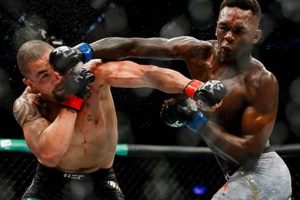
The concept of a martial artist like Bruce Lee competing in modern Mixed Martial Arts (MMA) is a popular thought experiment. It explores how his unique philosophy and fighting style, Jeet Kune Do, which emphasizes practicality, efficiency, and personal adaptation, might fare in the multifaceted environment of a modern MMA competition. This hypothetical scenario often leads to discussions comparing Lee’s approach with contemporary MMA techniques and training methodologies.
Analyzing this hypothetical matchup provides insights into the evolution of martial arts. It highlights the advancements in training, strategy, and the integration of various disciplines that have shaped modern MMA. Furthermore, it underscores the enduring legacy of Bruce Lee’s innovative approach to combat and its continued relevance in discussions about fighting effectiveness. His emphasis on adaptability and formlessness foreshadowed the development of MMA’s blended style.
This exploration will delve further into the core principles of Jeet Kune Do, compare and contrast them with the dominant strategies in modern MMA, and analyze how Lee’s philosophy continues to influence martial arts today.
Tips for Adapting a Bruce Lee-Inspired Approach in Modern MMA
These tips explore how concepts from Bruce Lee’s Jeet Kune Do philosophy and training methods could be applied within the context of contemporary mixed martial arts competition. They offer insights into developing a more adaptable and personalized fighting style.
Tip 1: Embrace Adaptability: Jeet Kune Do emphasizes fluidity and adaptation. MMA fighters can benefit from cultivating an adaptable mindset, adjusting strategies mid-fight based on the opponent’s strengths and weaknesses, rather than adhering rigidly to a single game plan.
Tip 2: Prioritize Economy of Motion: Lee stressed efficiency in movement. In MMA, this translates to minimizing wasted energy and maximizing the effectiveness of each strike and grapple. Focusing on precision and directness can improve both offensive and defensive capabilities.
Tip 3: Develop “Flowing” Transitions: Seamlessly transitioning between striking, grappling, and ground fighting is crucial in MMA. Drawing inspiration from Jeet Kune Do’s emphasis on fluidity can enhance the ability to chain techniques together effectively.
Tip 4: Cultivate Mental Strength: Mental fortitude is essential in any combat sport. Lee’s philosophy emphasizes self-awareness and emotional control, which can be crucial for managing stress and maintaining focus during intense competition.
Tip 5: Train Functionally: Focus on training movements and techniques that translate directly to real-world combat scenarios. Prioritize practical application over stylistic adherence, constantly refining techniques for maximum effectiveness in the cage.
Tip 6: Incorporate Interdisciplinary Training: Jeet Kune Do encourages drawing from various martial arts. MMA fighters should similarly explore different disciplines to broaden their skillset and develop a more well-rounded fighting style.
Tip 7: Develop a “Styleless” Style: The core of Jeet Kune Do lies in transcending rigid styles. In MMA, this means developing a personalized approach that draws from various disciplines but is not limited by any single one. This allows for greater flexibility and adaptability in the cage.
By integrating these principles, fighters can develop a more adaptable and effective approach to MMA, enhancing their overall performance and maximizing their potential in the cage.
These training and philosophical adaptations offer a pathway towards a more holistic and personalized approach to MMA, reflecting the enduring influence of Bruce Lee’s martial arts philosophy.
1. Adaptability

Adaptability, a cornerstone of Bruce Lee’s Jeet Kune Do philosophy, represents a crucial element in the hypothetical context of Lee competing in modern Mixed Martial Arts (MMA). It signifies the capacity to adjust strategies and techniques dynamically in response to an opponent’s changing tactics, reflecting a fluid and responsive approach to combat.
- Strategic Versatility
Strategic versatility involves the ability to switch seamlessly between different fighting ranges and styles. A fighter might transition from a striking-focused approach to a grappling-based strategy mid-fight, depending on the opponent’s strengths and weaknesses. This dynamic adaptation is essential for capitalizing on opportunities and neutralizing threats in the ever-changing landscape of an MMA bout.
- Technical Fluidity
Technical fluidity emphasizes the seamless integration of various techniques from different martial arts disciplines. This facet of adaptability allows a fighter to respond effectively to diverse attacks and create unpredictable offensive combinations. Rather than being confined to a rigid system, the adaptable fighter can draw upon a diverse toolkit of techniques to exploit openings and control the flow of the fight.
- Mental Resilience
Mental resilience plays a crucial role in maintaining composure and focus under pressure. In the high-stakes environment of MMA, adaptability extends beyond physical techniques to encompass mental fortitude. A resilient fighter can maintain clarity of thought and adjust their game plan even when facing adversity, refusing to be overwhelmed by unexpected challenges or setbacks.
- Counter-Offensive Proficiency
Counter-offensive proficiency represents the ability to not only defend against attacks but to seamlessly transition into offensive maneuvers. Adaptable fighters can capitalize on their opponent’s momentum, turning defensive maneuvers into opportunities for counter-attacks. This reactive and opportunistic approach maximizes efficiency and disrupts the opponent’s rhythm.
These facets of adaptability, woven into the fabric of Bruce Lee’s Jeet Kune Do philosophy, offer valuable insights into how his hypothetical performance in modern MMA might unfold. His emphasis on fluidity, responsiveness, and the integration of diverse techniques suggests a fighting style that prioritizes dynamic adaptation as a key to success in the octagon.
2. Fluidity
Fluidity, a core principle of Bruce Lee’s Jeet Kune Do, represents a critical element in hypothetically analyzing his potential performance in modern Mixed Martial Arts (MMA). It signifies seamless transitions between techniques, enabling adaptable responses to dynamic combat situations. This translates to an ability to effortlessly shift between striking, grappling, and ground fighting, maintaining offensive or defensive momentum without interruption. A fluid fighter can, for instance, smoothly transition from a blocked punch into a takedown attempt, or from defending a submission hold into a counter-attack. This dynamic adaptability distinguishes a fluid fighting style from one reliant on predetermined sequences or rigid adherence to a single discipline.
This concept’s practical significance in MMA lies in its capacity to disrupt an opponent’s rhythm and create unpredictable offensive opportunities. Consider a fighter smoothly flowing from a jab to a leg kick, then into a takedownthis unpredictability makes it difficult for the opponent to anticipate and react effectively. Furthermore, fluidity enhances efficiency by minimizing wasted motion and maximizing the effectiveness of each movement. This efficient use of energy is crucial for maintaining stamina throughout a demanding MMA bout. Examples of this principle can be observed in fighters like Anderson Silva, whose unpredictable movements and seamless transitions between striking and grappling often left opponents bewildered.
In summary, fluidity as exemplified in Bruce Lee’s Jeet Kune Do offers valuable insights into effective MMA strategies. The ability to seamlessly transition between techniques, adapt to changing circumstances, and maintain a dynamic flow within a fight represents a significant advantage. While hypothetical, analyzing Lee’s potential performance highlights the importance of fluidity in maximizing combat effectiveness within the complex and ever-evolving landscape of modern mixed martial arts. This principle continues to inspire and influence fighters seeking to enhance their adaptability and overall performance in the octagon.
3. Interdisciplinarity
Interdisciplinarity, a core tenet of Bruce Lee’s Jeet Kune Do, holds significant relevance when considering his hypothetical performance in modern Mixed Martial Arts (MMA). Jeet Kune Do’s philosophy emphasizes drawing from various martial arts disciplines, rejecting stylistic limitations, and prioritizing effective techniques regardless of their origin. This approach foreshadows the multi-disciplinary nature of modern MMA, where fighters often integrate elements from wrestling, boxing, Muay Thai, Brazilian Jiu-Jitsu, and other combat styles. Analyzing this connection offers valuable insights into both Lee’s innovative approach to combat and the evolution of MMA itself.
- Blending Striking and Grappling
Jeet Kune Do advocates for a fluid integration of striking and grappling techniques, recognizing the limitations of relying solely on one approach. This mirrors the strategic importance of blending striking and grappling in modern MMA, where success often depends on seamlessly transitioning between stand-up exchanges and ground fighting. Fighters like Georges St-Pierre, known for his mastery of both striking and wrestling, exemplify the effectiveness of this interdisciplinary approach.
- Adapting to Opponents’ Styles
Interdisciplinarity enables fighters to adapt to diverse opponents and unpredictable situations. By drawing from a broader range of techniques, they can effectively counter various fighting styles and exploit weaknesses. This adaptability aligns with Lee’s philosophy of “being like water,” formless and able to adapt to any container. In MMA, this translates to the ability to neutralize specialists, whether strikers or grapplers, by employing a versatile and adaptable game plan.
- Expanding the Technical Arsenal
Incorporating techniques from various martial arts expands a fighter’s technical arsenal. This wider range of tools provides greater flexibility and creativity in both offensive and defensive maneuvers. For example, a fighter might incorporate leg kicks from Muay Thai, takedowns from wrestling, and submissions from Brazilian Jiu-Jitsu, creating a more dynamic and unpredictable fighting style. This diverse skillset presents a significant advantage in the multifaceted environment of MMA competition.
- Continuous Evolution and Innovation
Interdisciplinarity fosters continuous evolution and innovation in martial arts. By exploring and integrating techniques from different disciplines, fighters can develop new strategies and approaches, pushing the boundaries of combat effectiveness. This constant adaptation and refinement is a hallmark of both Jeet Kune Do and modern MMA, where the pursuit of improvement and the exploration of new techniques are ongoing processes.
The interdisciplinary nature of Jeet Kune Do provides a compelling framework for understanding Bruce Lee’s potential impact on MMA. His emphasis on adaptability, blending styles, and continuous evolution resonates strongly with the principles that underpin modern mixed martial arts. While hypothetical, exploring this connection offers valuable insights into the development of MMA and the enduring legacy of Bruce Lee’s innovative approach to combat.
4. Practicality

Practicality served as a cornerstone of Bruce Lee’s Jeet Kune Do and offers a crucial lens through which to analyze his hypothetical effectiveness in modern Mixed Martial Arts (MMA). Lee emphasized prioritizing techniques proven effective in real-world combat scenarios, discarding traditional forms or movements deemed impractical or inefficient. This focus on functionality resonates deeply within MMA, where the ultimate measure of a technique’s value lies in its demonstrable success in the octagon. Discarding impractical movements minimizes wasted energy and maximizes combat effectiveness, crucial factors in the demanding environment of professional fighting. Lee’s rejection of rigid katas in favor of adaptable, real-world applications foreshadows MMA’s emphasis on dynamic, evolving strategies tailored to individual strengths and opponent weaknesses.
Examples of this practicality can be seen in Lee’s emphasis on direct, efficient strikes, like his straight blast, designed to deliver maximum impact with minimal telegraphing. This principle finds parallels in MMA fighters like Conor McGregor, known for his precise and powerful left hand. Similarly, Lee’s focus on intercepting attacks and exploiting openings aligns with the counter-striking strategies employed by fighters like Anderson Silva, demonstrating the practical application of Jeet Kune Do principles within the context of MMA. Furthermore, Lee’s integration of grappling and ground fighting techniques, recognizing their essential role in real-world combat, reflects MMA’s emphasis on well-rounded skill sets, unlike traditional martial arts that often prioritize striking or grappling in isolation.
Understanding the role of practicality in Jeet Kune Do provides valuable insights into Bruce Lee’s potential influence on MMA. This emphasis on real-world effectiveness, adaptability, and the integration of diverse techniques continues to resonate within modern MMA training and strategy. While hypothetical, analyzing Lee’s potential performance highlights the enduring relevance of practicality in maximizing combat effectiveness. It also underscores the importance of continuous adaptation and refinement of techniques to ensure their utility within the dynamic and ever-evolving landscape of mixed martial arts. Challenges arise in translating principles from a philosophical framework into the specific constraints of a regulated sport, yet the underlying focus on effectiveness and adaptability remains a powerful influence.
5. Unconventional Approach

Bruce Lee’s unconventional approach to martial arts, embodied in his philosophy of Jeet Kune Do, holds significant relevance when considering his hypothetical presence in modern Mixed Martial Arts (MMA). This approach, characterized by a rejection of traditional dogma and a focus on individual expression and adaptability, prefigures many of the core principles that underpin contemporary MMA. Examining this connection provides valuable insights into Lee’s enduring influence and the evolution of combat sports.
- Adaptability and Fluidity
Lee emphasized adapting to opponents and situations rather than adhering to rigid styles. This fluidity, central to Jeet Kune Do, translates directly to MMA’s dynamic environment, where fighters must seamlessly transition between striking, grappling, and ground fighting. Fighters like Israel Adesanya, known for his adaptable striking style, exemplify this principle in modern MMA.
- Emphasis on Functionality
Jeet Kune Do prioritizes practical effectiveness over traditional forms or stylistic purity. This emphasis on functionality aligns perfectly with the demands of MMA, where techniques are judged solely on their efficacy in real combat. Discarding impractical movements and focusing on efficient techniques, as seen in fighters like Khabib Nurmagomedov’s relentless grappling style, mirrors Lee’s pragmatic approach.
- Interdisciplinary Approach
Lee advocated for drawing techniques from various martial arts, rejecting the limitations of specializing in a single discipline. This interdisciplinary approach foreshadows the blended nature of modern MMA, where fighters often integrate elements from wrestling, boxing, Muay Thai, and Brazilian Jiu-Jitsu. Fighters like Demetrious Johnson, known for his seamless blending of various martial arts, embody this philosophy.
- Mental and Physical Conditioning
Lee stressed the importance of both physical and mental conditioning, recognizing that true combat effectiveness requires not only technical skill but also mental fortitude and emotional control. This holistic approach to training remains crucial in MMA, where fighters must manage stress, maintain focus, and adapt to rapidly changing circumstances. Georges St-Pierre, renowned for his rigorous physical and mental preparation, serves as a modern example of this holistic approach.
Lee’s unconventional approach, characterized by these interconnected facets, offers a compelling framework for understanding his potential impact on MMA. While hypothetical, analyzing this connection reveals the enduring relevance of his philosophy in the modern combat landscape. By emphasizing adaptability, functionality, and a holistic approach to training, Lee’s legacy continues to inspire fighters and shape the evolution of mixed martial arts, pushing the boundaries of combat effectiveness and challenging conventional wisdom.
Frequently Asked Questions about Bruce Lee and MMA
This section addresses common inquiries regarding Bruce Lee’s potential performance in modern Mixed Martial Arts (MMA), considering his Jeet Kune Do philosophy and the realities of contemporary combat sports.
Question 1: How would Bruce Lee’s Jeet Kune Do fare against modern MMA fighters?
Jeet Kune Do’s emphasis on adaptability, efficiency, and individualized fighting styles could be effective. However, modern MMA incorporates highly specialized training regimens and advanced techniques not prevalent in Lee’s time. A direct comparison remains speculative.
Question 2: Could Bruce Lee’s “one-inch punch” be effective in MMA?
While a demonstration of power generation, the one-inch punch’s practicality in a dynamic MMA fight is debatable. Its limited range and reliance on specific setup conditions make its consistent application unlikely against trained opponents.
Question 3: Was Bruce Lee a pioneer of Mixed Martial Arts?
Lee’s philosophy of incorporating techniques from various martial arts and his emphasis on practicality certainly foreshadowed the development of MMA. However, modern MMA as a codified sport evolved after his time, incorporating rule sets and weight classes absent from Lee’s approach.
Question 4: How would Bruce Lee have trained for MMA if he were alive today?
Given his adaptable nature and emphasis on continuous improvement, Lee likely would have embraced modern training methods. This might include strength and conditioning programs, cross-training in various grappling disciplines, and sparring under contemporary MMA rules.
Question 5: What aspects of Jeet Kune Do are still relevant to MMA fighters today?
The core principles of adaptability, efficiency, and individualized training remain highly relevant. MMA fighters can benefit from cultivating a fluid fighting style, focusing on practical techniques, and constantly refining their strategies based on individual strengths and weaknesses.
Question 6: Are there any MMA fighters who have incorporated elements of Jeet Kune Do into their styles?
While difficult to attribute direct lineage, many fighters exhibit principles reminiscent of Jeet Kune Do. Emphasis on adaptability, fluid transitions between striking and grappling, and the integration of techniques from diverse martial arts can be observed in many successful contemporary fighters.
Analyzing Bruce Lee’s hypothetical performance in MMA provides valuable insights into the evolution of combat sports and the enduring relevance of adaptability and practicality. It allows for exploration of the philosophical and technical intersections between traditional martial arts philosophies and the demands of modern mixed martial arts competition.
Further exploration of specific techniques and training methodologies can provide a deeper understanding of the potential applications of Jeet Kune Do principles within the context of modern MMA.
Bruce Lee and MMA
Exploring the hypothetical intersection of Bruce Lee and modern Mixed Martial Arts offers a compelling lens through which to analyze the evolution of combat and the enduring relevance of adaptability, efficiency, and individualized fighting styles. While a definitive answer to how Lee would perform in the octagon remains elusive, the analysis of his Jeet Kune Do philosophy reveals striking parallels with contemporary MMA principles. The emphasis on fluidity, interdisciplinarity, practicality, and an unconventional approach resonates with the dynamic and ever-evolving nature of modern mixed martial arts. Examining these connections provides valuable insights into both Lee’s innovative approach to combat and the ongoing development of fighting techniques and strategies.
The legacy of Bruce Lee continues to inspire martial artists and MMA fighters alike, prompting ongoing discussions regarding combat effectiveness and the pursuit of personal expression within a structured sporting environment. Further exploration of the philosophical and technical intersections between Jeet Kune Do and modern MMA promises to enrich the understanding of combat dynamics and the ongoing quest for maximizing human potential within the realm of martial arts.