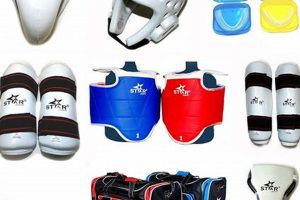
Groin protection, essential in mixed martial arts, shields male fighters from low blows, preventing serious injuries that could have long-term health consequences. This protective equipment is typically constructed from impact-resistant materials, often featuring a hard outer shell and a softer inner lining for comfort and shock absorption. It is designed to fit snugly and securely within specialized athletic supporters.
This form of protection plays a vital role in athlete safety and the overall integrity of the sport. By mitigating the risk of debilitating groin injuries, it allows fighters to compete with greater confidence and intensity, contributing to more dynamic and uninterrupted matches. Historically, the evolution of such protective gear has mirrored advancements in materials science and a growing awareness of the need for comprehensive athlete safety measures across combat sports.
Further exploration of this topic will delve into the various types of groin protection available, factors to consider when selecting the appropriate gear, proper fitting techniques, and care and maintenance recommendations. Understanding these aspects can significantly enhance athlete safety and performance in mixed martial arts.
Tips for Groin Protection in MMA
Optimal groin protection is crucial for mitigating injury risk in mixed martial arts. The following tips offer guidance on selecting, using, and maintaining protective equipment for maximum safety and performance.
Tip 1: Prioritize Proper Fit: Ill-fitting equipment can be ineffective and uncomfortable. Ensure a snug, secure fit that allows for a full range of motion without restriction or excessive movement.
Tip 2: Choose Quality Materials: Opt for durable, impact-resistant materials designed specifically for combat sports. High-quality construction ensures long-lasting protection and comfort.
Tip 3: Understand Different Types: Various designs cater to different body types and fighting styles. Research available options to determine the most suitable type of groin protection.
Tip 4: Regularly Inspect Equipment: Check for signs of wear and tear, such as cracks or loose parts. Replace damaged equipment immediately to maintain optimal protection.
Tip 5: Clean and Maintain Properly: Follow manufacturer instructions for cleaning and maintenance to ensure hygiene and prolong the lifespan of the equipment.
Tip 6: Consult with Professionals: Seek advice from experienced coaches, trainers, or medical professionals for personalized recommendations on selecting and using groin protection.
Tip 7: Integrate Protection Seamlessly: Ensure the protective equipment integrates seamlessly with other training gear and does not hinder movement or performance during training and competition.
Adhering to these guidelines can significantly reduce the risk of groin injuries, enabling athletes to train and compete with confidence and maintain long-term health. Prioritizing safety through appropriate protective measures contributes to a more enjoyable and sustainable engagement with mixed martial arts.
By understanding the importance of proper groin protection and implementing these practical tips, athletes can make informed decisions to safeguard their well-being and optimize their performance in the sport.
1. Protection

Protection is the fundamental purpose of an MMA cup guard, representing a critical piece of safety equipment designed to mitigate the risk of serious groin injuries. Understanding the multifaceted nature of this protection is crucial for informed equipment selection and usage.
- Impact Absorption:
The primary protective function lies in the ability to absorb and dissipate the force of impact. Materials such as high-density plastics and carbon fiber are commonly employed for their impact-resistant properties. Effective impact absorption minimizes the force transmitted to the groin area, preventing or reducing the severity of injuries. Consider, for instance, the difference between a direct impact without protection versus the mitigated force experienced with a properly fitted cup guard.
- Anatomical Design:
The anatomical design of a cup guard is crucial for effective protection. It should conform to the male anatomy, providing comprehensive coverage of vulnerable areas. A well-designed cup will shield the testes and surrounding tissues, minimizing the risk of bruising, lacerations, and other potential injuries. Variations in cup design cater to individual body types and preferences, optimizing both protection and comfort.
- Secure Fit and Stability:
A secure and stable fit is essential for consistent protection. A cup that shifts or moves during training or competition can compromise its effectiveness, leaving vulnerable areas exposed to impact. Supportive athletic cups and compression shorts are designed to hold the cup firmly in place, ensuring consistent protection throughout dynamic movements.
- Material Durability:
The durability of the materials used in the construction of the cup is a key factor in its long-term protective capabilities. Repeated impacts can degrade the protective properties of some materials over time. Durable materials, resistant to cracking, splitting, or deformation, ensure consistent protection throughout the lifespan of the equipment. This durability minimizes the need for frequent replacements, offering a cost-effective and reliable safety solution.
By carefully considering these facets of protection, athletes can make informed decisions when selecting an MMA cup guard. Prioritizing protection, along with comfort and fit, ensures optimal safety and performance in training and competition. The right equipment allows athletes to focus on technique and strategy, minimizing the risk of debilitating injuries and promoting a longer, healthier career in mixed martial arts.
2. Comfort

Comfort is a critical factor influencing the effectiveness of an MMA cup guard. While protection remains paramount, an uncomfortable cup can hinder performance by restricting movement, causing distractions, and ultimately compromising an athlete’s ability to train and compete effectively. A poorly fitting or inadequately designed cup can lead to chafing, pinching, and general discomfort, diverting focus from technique and strategy. This can manifest as hesitancy in movements, reduced agility, and an overall decrease in performance. Imagine a fighter constantly adjusting their protective gear mid-sparring the distraction alone could create an opening for an opponent. Furthermore, consistent discomfort can discourage athletes from wearing the protective gear altogether, increasing the risk of injury.
Several factors contribute to the comfort level of an MMA cup guard. Material selection plays a significant role; softer, more flexible materials often provide greater comfort compared to rigid counterparts, though potentially at the expense of some impact resistance. Breathability is another important consideration, as adequate ventilation helps regulate temperature and moisture, reducing chafing and discomfort. The overall design, including the shape and contours of the cup, must conform to the athlete’s anatomy to minimize pressure points and allow for a natural range of motion. For example, a cup with rounded edges is generally more comfortable than one with sharp angles, particularly during dynamic movements. Additionally, the integration of the cup with the supporting jockstrap or compression shorts significantly impacts comfort. Seamless integration and secure placement prevent shifting and rubbing, minimizing distractions and maximizing comfort.
Striking the optimal balance between protection and comfort is essential. While maximum protection might be prioritized in high-impact scenarios, prolonged training sessions may necessitate a greater emphasis on comfort. Athletes must consider their individual needs and training regimens when selecting a cup. Failing to prioritize comfort can negatively impact training effectiveness and potentially compromise safety by discouraging consistent use of protective equipment. Ultimately, a comfortable and well-fitted cup allows athletes to train and compete with confidence, maximizing performance and minimizing the risk of injury.
3. Fit

The fit of an MMA cup guard is paramount for effective protection and unhindered performance. An improperly fitted guard compromises both safety and athleticism. A loose fit allows for excessive movement, reducing impact absorption and increasing the risk of direct blows. Conversely, a tight fit restricts movement, causing discomfort and potentially hindering blood circulation. The consequences of an ill-fitting guard range from reduced effectiveness in mitigating impacts to chafing, bruising, and discomfort, which can distract and negatively impact performance. Consider a fighter whose guard shifts during a takedown; the resulting vulnerability could lead to a debilitating injury. Conversely, a guard that constricts movement could limit a fighter’s ability to execute techniques effectively.
Achieving the optimal fit requires careful consideration of several factors. Cup size must correspond to individual anatomy; manufacturers typically provide sizing charts to aid in selection. The integration of the cup with the supporting jockstrap or compression shorts is crucial. A secure and stable fit prevents the cup from shifting during movement, maintaining consistent protection. Adjustability features in the jockstrap or shorts allow for fine-tuning and personalization of the fit. Different styles of cups and supporting garments cater to individual preferences and body types. Experimentation may be necessary to determine the optimal combination for maximum comfort and protection. Consulting with experienced coaches or trainers can provide valuable insights and personalized recommendations.
Proper fit is not merely a matter of comfort; it is a fundamental aspect of injury prevention and performance optimization in MMA. A well-fitted guard ensures consistent protection, allows for unrestricted movement, and minimizes distractions, enabling athletes to train and compete at their peak potential. Neglecting this crucial aspect of protective gear can have significant consequences, impacting both short-term performance and long-term athletic health.
4. Durability

Durability is a critical factor influencing the long-term effectiveness and value of an MMA cup guard. Repeated impacts, friction, and exposure to sweat and moisture can degrade the protective qualities of the guard over time. A durable guard withstands these stresses, maintaining its structural integrity and protective capabilities throughout extended use. This longevity translates to both enhanced safety and cost-effectiveness. Consider a high-quality, durable cup guard subjected to rigorous training regimens; it continues to provide reliable protection, minimizing the risk of injury and reducing the need for frequent replacements. Conversely, a less durable guard may crack, deform, or lose its protective properties prematurely, necessitating more frequent replacements and potentially compromising athlete safety.
Several factors contribute to the durability of an MMA cup guard. Material selection plays a pivotal role. High-impact plastics, carbon fiber, and other robust materials exhibit superior resistance to wear and tear compared to less resilient alternatives. Construction quality, including the bonding of materials and overall design, significantly influences the guard’s ability to withstand stress. Reinforced stitching, robust seams, and impact-absorbing layers enhance durability. Proper care and maintenance also contribute to longevity. Regular cleaning and appropriate storage prevent the buildup of bacteria and minimize material degradation. For example, allowing the guard to air dry thoroughly after each use prevents the growth of mold and mildew, which can weaken materials over time.
The practical significance of durability extends beyond cost-effectiveness. A durable cup guard provides consistent and reliable protection, reducing the risk of serious groin injuries throughout an athlete’s training and competitive career. This consistent protection fosters confidence and allows athletes to focus on technique and performance without concern for equipment failure. Investing in a durable guard represents an investment in long-term athletic health and performance. Compromising on durability can lead to increased injury risk and higher long-term costs associated with frequent replacements.
5. Hygiene

Maintaining proper hygiene with an MMA cup guard is crucial for athlete health and well-being. Neglecting hygiene practices can lead to bacterial and fungal growth, skin irritations, and potential infections. This not only compromises athlete comfort but also poses health risks that can hinder training and performance. Proper hygiene protocols ensure the longevity of the equipment and contribute to a safer and healthier training environment.
- Cleaning:
Regular cleaning is paramount to remove sweat, bacteria, and other contaminants. Thorough cleaning after each use with mild soap and water is essential. Harsh chemicals should be avoided, as they can degrade the materials of the cup, compromising its protective properties. Proper drying is equally important; allowing the cup to air dry completely prevents the growth of microorganisms.
- Storage:
Proper storage prevents the buildup of bacteria and mold. Storing the cup in a cool, dry place, away from excessive moisture and heat, is crucial for maintaining hygiene. A well-ventilated container or pouch allows for air circulation and prevents the accumulation of moisture. Avoid storing the cup in damp or enclosed spaces, such as gym bags, which can promote bacterial growth.
- Inspection:
Regular inspection of the cup guard is essential for identifying signs of wear and tear, cracks, or damage. Damaged cups should be replaced immediately, as compromised structural integrity can reduce protective capabilities and potentially harbor bacteria. Inspecting the cup before and after each use ensures optimal hygiene and safety.
- Skin Care:
Maintaining proper skin hygiene in the groin area is crucial for preventing skin irritations and infections. Regularly cleansing the skin and ensuring it is dry before wearing the cup guard minimizes the risk of chafing and bacterial growth. Using antifungal powders or creams, as recommended by medical professionals, can further prevent fungal infections.
Adhering to these hygiene practices ensures the long-term effectiveness and safety of the MMA cup guard. Proper hygiene contributes not only to athlete comfort but also to overall health and well-being. By prioritizing hygiene, athletes minimize the risk of infections and skin irritations, allowing for consistent training and optimal performance. This attention to detail underscores the importance of hygiene as an integral aspect of athlete safety and performance in mixed martial arts.
Frequently Asked Questions
This section addresses common inquiries regarding groin protection in mixed martial arts, providing concise and informative responses to facilitate informed decision-making and promote athlete safety.
Question 1: How crucial is wearing a cup guard in MMA training?
Essential for safety, a cup guard prevents potentially severe groin injuries during training. Its consistent use safeguards against accidental impacts, allowing for uninhibited practice and sparring.
Question 2: What materials offer the best protection and comfort?
High-density plastics and carbon fiber provide excellent impact protection. Softer, more flexible materials, often with gel padding, enhance comfort. The optimal choice depends on individual preferences and training intensity.
Question 3: How to determine the correct cup guard size?
Consulting manufacturer sizing charts is crucial. Accurate measurements ensure a snug yet comfortable fit, maximizing both protection and mobility. Professional guidance from experienced coaches or trainers can also be beneficial.
Question 4: Can a cup guard restrict movement during training?
A properly fitted cup guard should not significantly restrict movement. Ill-fitting guards, however, can hinder mobility and compromise performance. Prioritizing correct sizing and secure integration with supporting garments is essential.
Question 5: How frequently should a cup guard be replaced?
Regular inspection is crucial. Replace the guard immediately upon noticing cracks, deformation, or reduced protective integrity. Frequency of replacement depends on usage intensity and the quality of the materials.
Question 6: What hygiene practices are recommended for cup guard maintenance?
Thorough cleaning with mild soap and water after each use is essential. Allowing the guard to air dry completely prevents bacterial growth. Proper storage in a cool, dry place minimizes material degradation and maintains hygiene.
Prioritizing groin protection through the proper selection, use, and maintenance of a cup guard is essential for long-term athlete health and performance in mixed martial arts. Addressing these common concerns contributes to a safer and more effective training and competitive experience.
Further exploration of this topic might delve into specific product recommendations, advanced fitting techniques, or detailed material analyses.
Conclusion
Groin protection, exemplified by the MMA cup guard, stands as a critical element within the mixed martial arts landscape. This comprehensive exploration has highlighted the multifaceted nature of this essential piece of equipment, emphasizing the interplay between protection, comfort, fit, durability, and hygiene. Each aspect contributes significantly to the overall effectiveness of the guard, impacting both athlete safety and performance. Neglecting any of these elements can have detrimental consequences, ranging from discomfort and hindered movement to severe injury.
Prioritizing informed equipment selection and meticulous adherence to hygiene protocols are paramount for mitigating risks and ensuring long-term athletic well-being. The significance of groin protection extends beyond individual athletes, contributing to the overall integrity and sustainability of the sport. Continued advancements in materials science and design promise further enhancements in protective capabilities and comfort, underscoring the ongoing commitment to athlete safety within mixed martial arts.