Equipment used in mixed martial arts encompasses a range of protective and performance-enhancing items. These items typically include gloves, hand wraps, mouthguards, shin guards, and appropriate attire such as shorts and rash guards. A fighter’s choice of specific equipment often reflects individual preferences, fighting style, and the rules of the specific competition.
Such equipment plays a critical role in both fighter safety and performance. Protective elements minimize the risk of injuries such as fractures, lacerations, and concussions. Performance-enhancing aspects, such as properly fitted gloves and supportive shorts, allow for greater freedom of movement and more powerful strikes. The evolution of this equipment mirrors the development of the sport itself, transitioning from minimal protection in early vale tudo competitions to the more standardized regulations seen today. This progression reflects a growing understanding of injury prevention and a commitment to athlete well-being.
A deeper examination of specific equipment categories, their materials, proper usage, and regulatory requirements will further illuminate their significance in the world of mixed martial arts.
Essential Equipment Advice for Mixed Martial Arts
Selecting and maintaining appropriate equipment is crucial for both performance and safety in mixed martial arts. The following advice offers guidance for practitioners of all levels.
Tip 1: Prioritize Hand Protection: Properly fitted gloves and hand wraps are essential for protecting the hands and wrists during striking. Gloves should be snug but allow for full finger extension. Hand wraps should provide support to the wrist and knuckles without restricting blood flow.
Tip 2: Ensure Proper Mouthguard Fit: A well-fitting mouthguard is vital for preventing dental injuries and concussions. Custom-fitted mouthguards offer the best protection and comfort.
Tip 3: Choose Appropriate Shin Guards: Shin guards should protect the entire shin and offer adequate padding without hindering movement. Consider the specific training environment (e.g., sparring, bag work) when selecting shin guards.
Tip 4: Select Durable and Comfortable Attire: Rash guards and shorts should be made of moisture-wicking material to keep the body dry and comfortable. Shorts should allow for a full range of motion without being too loose.
Tip 5: Inspect Equipment Regularly: Regularly check all equipment for signs of wear and tear. Replace damaged items promptly to ensure optimal protection.
Tip 6: Clean Equipment After Each Use: Cleaning equipment after each training session prevents the growth of bacteria and extends the lifespan of the gear.
Tip 7: Consult Experienced Practitioners: Seek advice from experienced coaches or athletes for personalized recommendations on equipment selection and maintenance.
Adhering to these guidelines will contribute to a safer and more effective training experience, promoting long-term health and performance in mixed martial arts.
By understanding the importance of proper equipment selection and care, athletes can focus on developing their skills and achieving their full potential in the sport.
1. Protection

Protection is a paramount concern in the demanding sport of mixed martial arts. The right equipment is crucial for mitigating the risk of injuries sustained from impacts, grappling, and contact with the fighting surface. Understanding the protective functions of various gear components is essential for any practitioner.
- Head Protection:
A properly fitted mouthguard is fundamental for protecting teeth, gums, and jaw from impacts. It also helps to reduce the risk of concussion by cushioning the jaw and limiting its movement upon impact. While headgear is sometimes used in training, it is typically not allowed in professional competition. Therefore, mastering defensive techniques is equally critical for head protection.
- Hand and Wrist Protection:
Gloves and hand wraps serve as primary protection for the hands and wrists, two areas highly susceptible to injury during striking. Hand wraps stabilize the wrist joint and provide support to the small bones of the hand, while gloves cushion the impact of punches and reduce the risk of lacerations. The construction and padding density of gloves can vary, offering different levels of protection and impacting striking power.
- Shin and Foot Protection:
Shin guards safeguard the lower legs from kicks and checks, preventing fractures and contusions. Some shin guards also offer instep protection, which is beneficial for both offensive and defensive kicking techniques. The material and design of shin guards influence their level of protection, comfort, and mobility.
- Body Protection:
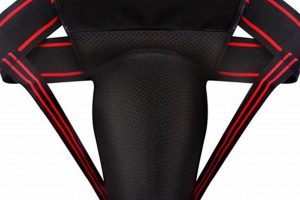
Groin protection is essential for male athletes and is typically mandated by all competitive organizations. Some athletes also opt for padded compression shorts or rash guards to provide additional cushioning and protection to the torso during grappling and clinch work. Female athletes utilize chest protectors designed specifically for mixed martial arts competition.
The protective qualities of mixed martial arts equipment are integral to the sport’s safety and allow athletes to train and compete with reduced risk of serious injury. Choosing appropriate, well-maintained gear and understanding its protective function is essential for all practitioners, regardless of experience level. This focus on protection allows athletes to push their physical limits while mitigating potential harm, ultimately contributing to the longevity of their training and competitive careers.
2. Performance Enhancement
Performance enhancement in mixed martial arts is directly influenced by the equipment utilized. Strategically chosen gear can significantly impact an athlete’s speed, power, mobility, and overall effectiveness in the cage or ring. This connection is multifaceted, impacting both offensive and defensive capabilities.
Lightweight, form-fitting apparel, such as rash guards and fight shorts, minimizes restriction of movement, allowing for greater agility and speed. Gloves, while providing protection, also play a crucial role in punch delivery and grappling control. Their design and padding can influence the force of strikes and the ability to secure grips. Similarly, well-designed shin guards offer protection without hindering kicking speed or power. The right footwear provides essential grip and support for dynamic movements, contributing to both striking and takedown effectiveness. Consider, for example, a fighter utilizing lightweight gloves specifically designed for striking. These gloves may offer less protection compared to heavier sparring gloves, but the reduced weight allows for faster punches and improved cardiovascular endurance over the course of a fight. Conversely, a grappler might choose tighter-fitting shorts and rash guard to minimize the risk of an opponent securing a grip. These choices demonstrate how equipment selection can be tailored to specific fighting styles and strategic objectives.
Understanding the relationship between equipment and performance is essential for maximizing potential in mixed martial arts. Careful selection of gear based on individual needs, fighting style, and the specific demands of competition can create a significant competitive advantage. It allows athletes to optimize their movements, enhance their strengths, and mitigate weaknesses. However, it is crucial to remember that equipment is only one factor in overall performance. Skill, training, and strategy remain paramount for success. While specialized equipment may offer marginal gains, it cannot replace dedicated training and tactical awareness.
3. Regulations Compliance

Adherence to equipment regulations is paramount in mixed martial arts competition. Sanctioning bodies establish specific rules governing permissible gear, ensuring fair competition and athlete safety. These regulations dictate factors such as glove weight, material composition, and permitted protective equipment. Non-compliance can lead to disqualification, impacting an athlete’s record and professional standing. For example, a fighter using gloves below the mandated weight limit gains an unfair advantage, potentially inflicting more damage. Similarly, unauthorized modifications to equipment, such as adding padding in prohibited areas, can compromise opponent safety and the integrity of the bout.
Understanding and adhering to these regulations is a critical aspect of professionalism within the sport. It demonstrates respect for both opponents and the governing body, fostering a level playing field. Athletes are responsible for ensuring their equipment meets all requirements before entering the cage or ring. This often involves pre-fight inspections by officials to verify compliance. The specific regulations can vary between organizations; therefore, athletes must familiarize themselves with the rules of each competition. For instance, the unified rules of mixed martial arts, adopted by many athletic commissions, specify precise standards for glove size, hand wrap length, and mouthguard construction.
Regulations compliance concerning equipment serves as a cornerstone of competitive integrity and athlete safety within mixed martial arts. It underscores the importance of standardized rules in maintaining a fair and predictable competitive environment. Failure to adhere to these regulations undermines the sport’s credibility and can have significant consequences for athletes. Knowledge of and compliance with these regulations is not merely a formality but a fundamental aspect of ethical participation and professional conduct within mixed martial arts.
4. Comfort and Fit
Comfort and fit are critical factors influencing performance and injury prevention in mixed martial arts. Ill-fitting equipment can hinder movement, restrict breathing, and create distractions, negatively impacting an athlete’s ability to execute techniques effectively. Furthermore, improperly fitted protective gear can compromise its efficacy, increasing the risk of injury. A loose-fitting mouthguard, for instance, might dislodge during impact, failing to protect the teeth and jaw. Similarly, overly tight gloves can restrict blood flow and impair hand mobility. Conversely, properly fitted equipment allows for unrestricted movement, promoting optimal performance and maximizing the protective capabilities of the gear. An athlete with a comfortable, well-fitting rash guard and shorts can move freely and focus entirely on the task at hand, without the distraction of adjusting ill-fitting attire.
Consider the practical implications during a grappling exchange. A fighter with loose-fitting shorts risks having their opponent gain a grip, potentially leading to a takedown or disadvantageous position. Conversely, a snug-fitting rash guard minimizes exposed material, reducing the likelihood of such an occurrence. In striking exchanges, properly fitted gloves allow for optimal fist closure and wrist support, enhancing both power and safety. A well-fitting mouthguard ensures unobstructed breathing while protecting against dental and jaw injuries, allowing the athlete to maintain focus during intense exchanges.
Optimizing comfort and fit in mixed martial arts gear is essential for maximizing performance and mitigating injury risk. Athletes should prioritize finding equipment that balances protection with mobility and allows for unrestricted movement and breathing. This often involves trying various brands and sizes to determine the optimal fit for individual body types and fighting styles. Understanding the importance of comfort and fit empowers athletes to make informed decisions about their equipment, enhancing both their performance and longevity within the sport.
5. Durability and Quality

Durability and quality are paramount considerations in selecting mixed martial arts equipment. The demanding nature of the sport, characterized by intense physical contact and repetitive impact, necessitates gear capable of withstanding rigorous use. Inferior quality equipment not only compromises performance but also elevates the risk of injury. A poorly constructed glove, for example, may tear during training or competition, exposing the knuckles and increasing the likelihood of hand injuries. Similarly, low-quality shin guards can crack or lose their protective padding, leaving the shins vulnerable to painful impacts. Investing in durable, high-quality gear is a crucial aspect of injury prevention and long-term performance in mixed martial arts.
The connection between durability, quality, and cost is often complex. While higher-priced equipment frequently utilizes superior materials and construction techniques, this isn’t universally true. Discerning consumers should research brands, read reviews, and consider the intended use of the equipment. A professional fighter, for instance, requires gear built to withstand significantly more stress than a recreational practitioner. The frequency of use and intensity of training should heavily influence purchasing decisions. Consider a professional fighter who invests in high-quality, hand-stitched gloves crafted from premium leather. These gloves, while more expensive, offer superior durability and protection compared to mass-produced synthetic alternatives. Over time, the investment justifies itself through extended lifespan and reduced risk of injury.
Prioritizing durability and quality in mixed martial arts equipment ultimately contributes to both athlete safety and long-term cost-effectiveness. While initial investment may be higher, durable gear reduces the need for frequent replacements, minimizing overall expenditure and ensuring consistent performance. This approach also prioritizes injury prevention, safeguarding an athlete’s health and enabling consistent training. Understanding the significance of durable, high-quality equipment empowers athletes to make informed purchasing decisions, maximizing their investment and contributing to a safer, more rewarding training and competitive experience.
6. Hygiene and Maintenance
Maintaining proper hygiene and implementing regular maintenance procedures are essential for maximizing the lifespan and ensuring the safety of mixed martial arts equipment. Neglecting these practices can lead to equipment degradation, bacterial growth, and potential health risks for the athlete. Regular cleaning and proper storage are crucial for preserving the integrity of the gear and minimizing the transmission of infections.
- Cleaning Practices:
Regular cleaning of all equipment after each use is paramount. This involves wiping down surfaces with antibacterial solutions designed for sporting goods. Gloves, hand wraps, and shin guards, which come into direct contact with sweat and bodily fluids, require particularly thorough cleaning. Air drying equipment completely after cleaning is essential to prevent the growth of mold and mildew. For example, allowing gloves to air out on a dedicated drying rack helps maintain their shape and prevents the buildup of unpleasant odors. Neglecting cleaning protocols can create unsanitary training conditions and increase the risk of skin infections.
- Storage Procedures:
Proper storage of equipment plays a significant role in preserving its longevity and preventing damage. Storing gear in a cool, dry place away from direct sunlight helps prevent material degradation and the growth of microorganisms. Designated storage bags or compartments can further protect equipment from moisture and physical damage during transport. Storing gloves in a mesh bag, for instance, allows for air circulation and prevents the buildup of moisture. Proper storage practices extend the lifespan of the equipment and maintain its protective qualities.
- Regular Inspections:
Regularly inspecting equipment for signs of wear and tear is crucial for safety. Checking for cracks, tears, or loose stitching can identify potential weaknesses before they compromise the gear’s protective capabilities. Replacing damaged equipment promptly minimizes the risk of injuries during training or competition. For example, a small tear in a glove can quickly worsen with continued use, eventually exposing the knuckles to impact. Routine inspections help ensure that equipment remains in optimal condition and provides adequate protection.
- Deep Cleaning and Sanitizing:
Periodic deep cleaning and sanitizing further enhance hygiene and equipment longevity. This can involve soaking washable items in specialized cleaning solutions or using disinfectant sprays. Deep cleaning removes ingrained dirt and bacteria that regular wiping may miss. This is particularly important for items like mouthguards and headgear, which are prone to bacterial buildup. Implementing a schedule for deep cleaning, such as once a month, ensures optimal hygiene and extends the lifespan of the equipment.
Adhering to these hygiene and maintenance practices is essential for ensuring the longevity, effectiveness, and safety of mixed martial arts equipment. Proper care not only preserves the gear’s protective qualities but also contributes to a healthier and more hygienic training environment. By prioritizing hygiene and maintenance, athletes demonstrate a commitment to their own well-being and the longevity of their training equipment, enabling them to train consistently and effectively.
Frequently Asked Questions about Mixed Martial Arts Equipment
This section addresses common inquiries regarding mixed martial arts equipment, providing concise and informative responses to facilitate informed decision-making and promote best practices.
Question 1: How often should training equipment be replaced?
Replacement frequency depends on usage intensity and the equipment’s condition. Regular inspection for wear and tear is crucial. Gloves and hand wraps typically require more frequent replacement than less frequently used items like shin guards. Prioritizing safety necessitates replacing any damaged equipment immediately.
Question 2: What are the key differences between competition and training gloves?
Competition gloves generally feature less padding than training gloves, prioritizing striking power and precision. Training gloves emphasize hand protection during repeated impacts. Specific regulations often dictate permissible glove types for competition.
Question 3: Are custom-fitted mouthguards worth the investment?
Custom-fitted mouthguards offer superior protection and comfort compared to boil-and-bite options. Their precise fit enhances breathability and reduces the likelihood of dislodging during impact, making them a worthwhile investment for serious athletes.
Question 4: What is the importance of hand wraps?
Hand wraps provide crucial wrist support and stabilize the small bones of the hand, reducing the risk of injury during striking. They also absorb perspiration, contributing to glove hygiene and longevity.
Question 5: How does one select appropriate shin guards?
Shin guard selection should consider factors such as training intensity, sparring frequency, and individual comfort preferences. Full shin and instep coverage is generally recommended for comprehensive protection. Proper fit is essential for mobility and effective training.
Question 6: What materials are commonly used in MMA attire?
Moisture-wicking fabrics like polyester and spandex blends are prevalent in rash guards and fight shorts. These materials enhance comfort by regulating body temperature and minimizing friction. Durability and flexibility are also key considerations in material selection.
Understanding the nuances of mixed martial arts equipment empowers athletes to make informed choices that enhance both performance and safety. Prioritizing quality, fit, and proper maintenance ensures optimal functionality and contributes to a positive training experience.
Further exploration of specific equipment types and individual needs can provide additional insights for optimizing training and competition preparation.
Mixed Martial Arts Equipment
Effective engagement in mixed martial arts necessitates a comprehensive understanding of the crucial role played by specialized equipment. From safeguarding athletes against potential injuries to enhancing performance capabilities, the selection, utilization, and maintenance of appropriate gear are integral to success within this demanding sport. This exploration has highlighted the multifaceted nature of equipment considerations, encompassing protection, performance enhancement, regulatory compliance, comfort and fit, durability and quality, and hygiene and maintenance. Each facet contributes significantly to an athlete’s overall preparedness and ability to perform at their peak potential.
The continued evolution of mixed martial arts equipment reflects a growing understanding of both the physiological demands and inherent risks of the sport. Prioritizing informed equipment choices, coupled with diligent care and maintenance practices, empowers athletes to train effectively, compete safely, and maximize their potential within the dynamic and evolving landscape of mixed martial arts. This commitment to equipment excellence ultimately contributes to a safer, more competitive, and rewarding experience for all practitioners.