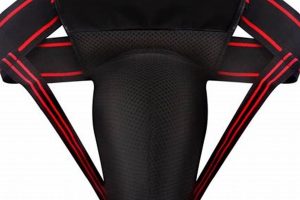
Mixed martial arts training for children and adolescents typically involves adapted versions of techniques found in adult programs. This often includes striking, grappling, and self-defense instruction modified for younger age groups and skill levels, frequently emphasizing discipline, respect, and physical fitness alongside combat skills. A common example would be a class focusing on basic wrestling takedowns and escapes, followed by pad work drills for punches and kicks, concluding with a cool-down and character development discussion.
Such programs can provide significant benefits for young participants. The structured environment offers opportunities for physical development, improving strength, coordination, and cardiovascular health. Furthermore, the mental discipline required can foster improved focus, self-control, and confidence. Historically, many martial arts disciplines have included training for younger practitioners, passing down traditions and values through generations. The modern adaptation of mixed martial arts for youth builds on this legacy, offering a diverse and engaging activity with potential lifelong benefits.
This article will further explore the various facets of mixed martial arts training for younger demographics, delving into specific training methodologies, safety considerations, the role of coaches and parents, and the potential impact on character development. It will also address common concerns and misconceptions surrounding this increasingly popular activity.
This section offers guidance for parents and young athletes considering participation in mixed martial arts training. Careful consideration of these points can contribute to a positive and enriching experience.
Tip 1: Research and Select a Reputable Program: Thoroughly investigate potential training facilities. Look for qualified instructors with experience working with young athletes, a safe and clean training environment, and a focus on character development alongside skill acquisition. Observe a class to assess coaching styles and student interactions.
Tip 2: Prioritize Safety: Ensure the program emphasizes proper safety protocols, including age-appropriate techniques, mandatory protective gear, and qualified supervision during all training sessions. Open communication between coaches, parents, and athletes regarding injuries and health concerns is crucial.
Tip 3: Encourage a Balanced Approach: While training can be demanding, it’s essential to maintain a balanced lifestyle. Encourage adequate rest, proper nutrition, and engagement in other activities outside of martial arts to prevent burnout and promote well-rounded development.
Tip 4: Focus on Long-Term Development: Avoid pushing young athletes towards unrealistic goals or overly competitive environments. Emphasize the importance of consistent effort, continuous improvement, and the development of fundamental skills over immediate results.
Tip 5: Foster Open Communication: Maintain open communication with coaches and the athlete. Discuss progress, challenges, and any concerns that arise. This collaborative approach helps ensure a positive and supportive training environment.
Tip 6: Respect the Learning Process: Recognize that skill development takes time and dedication. Encourage perseverance through challenges and celebrate achievements, fostering a growth mindset and a love for the sport.
Tip 7: Balance Competition with Camaraderie: While healthy competition can be motivating, emphasize the importance of sportsmanship, respect for opponents, and the development of positive relationships within the training community.
By adhering to these guidelines, individuals involved in training programs can cultivate a positive environment where young athletes can thrive physically, mentally, and emotionally.
These tips provide a framework for successful participation in mixed martial arts training. The following conclusion will summarize the key benefits and considerations discussed throughout this article.
1. Skill Development

Skill development forms the cornerstone of youth mixed martial arts training. It encompasses a broad spectrum, extending beyond mere fighting techniques to encompass physical, mental, and emotional growth. The progressive acquisition of skills in various disciplines, such as striking, grappling, and takedowns, provides a tangible sense of accomplishment, boosting self-confidence and fostering a sense of self-efficacy. For example, mastering a new grappling technique or perfecting a striking combination not only enhances physical capabilities but also cultivates mental discipline and strategic thinking. This process instills the importance of perseverance, dedication, and consistent effort in achieving goals, transferable skills applicable beyond the training mat.
Furthermore, skill development in youth MMA fosters adaptability and resilience. As young athletes encounter new challenges and learn to overcome them, they develop a growth mindset, embracing setbacks as opportunities for learning and improvement. Sparring sessions, for instance, provide a controlled environment to test newly acquired skills, adapt to different opponents and styles, and develop problem-solving abilities under pressure. This iterative process of learning, applying, and refining skills builds resilience and prepares young athletes for challenges encountered in various aspects of life.
In conclusion, skill development within youth MMA provides a multifaceted platform for growth. The acquisition of physical techniques, coupled with the development of mental fortitude and emotional resilience, equips young athletes with valuable life skills. This emphasis on continuous improvement fosters a growth mindset, encouraging perseverance, adaptability, and a commitment to lifelong learning. By focusing on skill development, youth MMA programs cultivate not only proficient martial artists but also well-rounded individuals prepared to navigate the complexities of life with confidence and resilience.
2. Character Building
Character building stands as a cornerstone of youth mixed martial arts training, extending far beyond the acquisition of physical skills. The rigorous discipline inherent in martial arts cultivates essential character traits that contribute to personal growth and positive social interaction. This structured environment provides a fertile ground for fostering values such as respect, discipline, resilience, and integrity, shaping young individuals into responsible and well-rounded members of society.
- Respect:
Martial arts training emphasizes respect for instructors, training partners, and opponents. This includes adhering to rules, demonstrating proper etiquette within the training environment, and acknowledging the efforts of others. Bowing to instructors and opponents, for instance, instills a sense of humility and respect for the traditions and values of martial arts. This emphasis on respect extends beyond the training mat, influencing interactions with family, peers, and authority figures in various social settings.
- Discipline:
The demanding physical and mental nature of mixed martial arts requires considerable self-discipline. Adhering to training schedules, maintaining focus during drills, and controlling emotions during challenging situations cultivate discipline and self-control. For example, consistently attending training sessions despite fatigue or other commitments demonstrates dedication and reinforces the importance of discipline in achieving goals. This self-discipline translates into improved time management, organizational skills, and the ability to persevere through challenges encountered in academic and personal pursuits.
- Resilience:
Mixed martial arts training inherently involves facing challenges and overcoming obstacles. Learning new techniques, sparring with different opponents, and pushing physical limits builds resilience and mental toughness. Experiencing setbacks, such as losing a sparring match, teaches valuable lessons about perseverance and the importance of learning from mistakes. This fosters a growth mindset, encouraging continuous improvement and the ability to bounce back from adversity encountered both within and outside of the training environment.
- Integrity:
Martial arts training emphasizes ethical conduct and adherence to a moral code. This includes honesty, fairness, and respect for rules and regulations. For example, refraining from using prohibited techniques during sparring, even when unnoticed by others, demonstrates integrity and a commitment to fair play. This emphasis on ethical behavior cultivates a strong moral compass, guiding decision-making and promoting responsible actions in various life situations.
These interconnected facets of character development contribute significantly to the overall value of youth mixed martial arts training. By fostering these essential traits, the discipline cultivates not only skilled martial artists but also well-rounded individuals equipped to navigate the complexities of life with integrity, resilience, and respect. The emphasis on character building ultimately empowers young athletes to become positive and contributing members of their communities.
3. Physical Fitness

Physical fitness forms an integral component of youth mixed martial arts training, contributing significantly to both performance and overall well-being. Engaging in this demanding discipline necessitates a high level of physical conditioning, encompassing cardiovascular endurance, strength, flexibility, and agility. Developing these physical attributes not only enhances performance within the martial arts context but also promotes lifelong health and well-being. This exploration delves into the key facets of physical fitness within youth MMA, highlighting their importance and interconnectedness.
- Cardiovascular Endurance:
Mixed martial arts training involves intense bursts of activity interspersed with brief recovery periods, demanding a robust cardiovascular system. Sustained grappling, striking combinations, and dynamic movements challenge the heart and lungs, improving cardiovascular endurance over time. This enhanced endurance translates into improved stamina, reduced fatigue, and enhanced performance during training and competition. Moreover, improved cardiovascular health contributes to overall well-being, reducing the risk of cardiovascular diseases later in life.
- Strength:
Strength plays a crucial role in various aspects of mixed martial arts, from executing powerful strikes and takedowns to maintaining dominant positions during grappling. Resistance training, bodyweight exercises, and specific strength-building drills contribute to increased muscle strength and power. This enhanced strength not only improves performance but also reduces the risk of injuries during training. Furthermore, increased strength promotes bone density, contributing to long-term skeletal health.
- Flexibility:
Flexibility is essential for executing techniques effectively and minimizing the risk of injuries. Stretching exercises and mobility drills improve range of motion in joints, allowing for greater fluidity of movement and reducing muscle tightness. Increased flexibility enhances performance in various aspects of mixed martial arts, such as high kicks, submissions, and transitions between positions. Furthermore, improved flexibility contributes to overall physical well-being, reducing the risk of muscle strains and promoting postural alignment.
- Agility:
Mixed martial arts requires rapid changes in direction, swift movements, and precise footwork, necessitating a high level of agility. Agility drills, footwork patterns, and dynamic movements enhance coordination, balance, and reaction time. Improved agility allows for quicker responses to opponents’ actions, more effective execution of techniques, and enhanced evasive maneuvers. Furthermore, increased agility contributes to overall athleticism and reduces the risk of falls and injuries during training and daily activities.
These interconnected facets of physical fitness contribute synergistically to success in youth mixed martial arts. Developing cardiovascular endurance, strength, flexibility, and agility not only enhances performance within the sport but also promotes overall health and well-being, laying the foundation for a healthy and active lifestyle. By emphasizing physical fitness, youth MMA programs cultivate well-rounded athletes equipped to excel both on and off the training mat.
4. Safety Protocols

Safety protocols constitute a paramount concern within youth mixed martial arts, ensuring the well-being of young athletes engaged in this demanding discipline. The rigorous nature of training necessitates stringent safety measures to mitigate potential risks and create a secure training environment. Implementing comprehensive safety protocols is crucial not only for preventing injuries but also for fostering trust and confidence among participants and their families. This exploration delves into the essential facets of safety protocols within youth MMA, highlighting their significance in maintaining a secure and productive training environment.
- Protective Gear:
Appropriate protective gear plays a vital role in minimizing the risk of injuries during training. This typically includes headgear, mouthguards, shin guards, and gloves specifically designed for youth MMA. These protective measures cushion impacts, reduce the severity of blows, and protect vulnerable areas from potential harm. Consistent and proper use of protective gear is essential for mitigating the risk of concussions, fractures, and other injuries. Furthermore, ensuring that the protective gear fits correctly and is in good condition enhances its effectiveness in safeguarding young athletes.
- Qualified Supervision:
Constant and qualified supervision is paramount for ensuring the safety of young athletes during training sessions. Experienced coaches play a crucial role in monitoring activities, enforcing safety rules, and providing immediate intervention when necessary. Their expertise in recognizing potential hazards, correcting improper techniques, and managing training intensity contributes significantly to injury prevention. Furthermore, qualified coaches possess the knowledge and skills to respond effectively in case of injuries, providing first aid and ensuring appropriate medical attention when required. Maintaining appropriate coach-to-student ratios ensures individualized attention and enhances safety within the training environment.
- Age-Appropriate Training:
Tailoring training methods and intensity to the age and developmental stage of young athletes is critical for ensuring safety and promoting long-term athletic development. Age-appropriate training involves modifying techniques, drills, and sparring intensity to align with the physical and cognitive capabilities of different age groups. For younger children, the focus may be on developing fundamental movement skills, coordination, and basic techniques, while older adolescents can engage in more advanced training regimens. This progressive approach minimizes the risk of overuse injuries, promotes proper skill development, and fosters a positive training experience.
- Medical Clearance and Communication:
Obtaining medical clearance before participation and maintaining open communication regarding pre-existing medical conditions or injuries is essential for ensuring the safety of young athletes. A thorough medical evaluation helps identify any potential health concerns that may increase the risk of injury during training. Furthermore, ongoing communication between coaches, parents, and athletes regarding any injuries or health issues that arise during training is crucial for prompt and appropriate management. This collaborative approach ensures that training activities are adjusted accordingly to accommodate individual needs and prevent exacerbation of existing conditions.
These interconnected facets of safety protocols collectively contribute to a secure and productive training environment within youth mixed martial arts. Prioritizing safety not only protects young athletes from potential harm but also fosters trust, encourages participation, and allows for optimal athletic development. By adhering to stringent safety protocols, youth MMA programs prioritize the well-being of their athletes, creating a positive and sustainable training experience for all involved.
5. Qualified Coaching

Qualified coaching constitutes a cornerstone of effective and safe youth mixed martial arts training. The demanding nature of this discipline necessitates knowledgeable and experienced coaches capable of guiding young athletes through the complexities of training while prioritizing their safety and well-being. The expertise of qualified coaches extends beyond technical instruction to encompass pedagogical skills, communication strategies, and a deep understanding of child development. This exploration delves into the multifaceted role of qualified coaching within youth MMA, highlighting its crucial contributions to athlete development and program success.
- Technical Proficiency:
A qualified coach possesses a deep understanding of mixed martial arts techniques, encompassing striking, grappling, takedowns, and defensive maneuvers. This technical proficiency enables them to demonstrate proper form, provide constructive feedback, and correct errors that could lead to injuries. For instance, a qualified coach can identify subtle flaws in a student’s striking technique that might increase the risk of wrist injury and provide specific guidance for improvement. This technical expertise ensures that young athletes develop sound fundamentals, minimizing the risk of injury and maximizing their potential for skill acquisition.
- Pedagogical Expertise:
Effective coaching extends beyond technical knowledge to encompass pedagogical skills tailored to the unique needs of young learners. Qualified coaches understand how to adapt their teaching methods to different age groups, learning styles, and developmental stages. They employ engaging and age-appropriate drills, provide clear and concise instructions, and create a positive and encouraging learning environment. For example, a qualified coach might use games and playful activities to introduce fundamental movement skills to younger children, while employing more structured drills and technical explanations for older adolescents. This pedagogical expertise ensures that training is both effective and enjoyable, fostering a love for the sport and promoting long-term engagement.
- Communication and Mentorship:
Effective communication forms the bedrock of a positive coach-athlete relationship. Qualified coaches possess strong communication skills, enabling them to provide clear instructions, offer constructive feedback, and build rapport with their students. They create a safe and supportive environment where young athletes feel comfortable asking questions, expressing concerns, and seeking guidance. Furthermore, qualified coaches often serve as mentors, providing guidance not only on technical aspects of the sport but also on character development, discipline, and life skills. This mentorship can have a profound impact on young athletes, fostering self-confidence, resilience, and a sense of belonging.
- Safety and Risk Management:
Prioritizing safety is paramount for any qualified coach working with young athletes. They possess a deep understanding of safety protocols, injury prevention strategies, and appropriate training methodologies. They implement and enforce safety rules, monitor training intensity, and adapt activities to minimize the risk of injuries. For example, a qualified coach will ensure that all athletes wear appropriate protective gear, enforce rules against dangerous techniques during sparring, and modify training intensity based on individual needs and environmental conditions. This proactive approach to safety creates a secure training environment, fostering trust among athletes and their families.
These interconnected facets of qualified coaching contribute significantly to the success and safety of youth mixed martial arts programs. The expertise of qualified coaches ensures that young athletes receive proper technical instruction, develop essential life skills, and train in a secure and supportive environment. By prioritizing qualified coaching, youth MMA programs demonstrate a commitment to athlete well-being and long-term development, fostering a positive and sustainable training experience for all involved.
6. Positive Environment

A positive environment is fundamental to the success and sustainability of youth mixed martial arts programs. It fosters a sense of belonging, encourages participation, and promotes optimal development for young athletes. This positive atmosphere encompasses not only the physical training space but also the social interactions, coaching styles, and overall culture within the program. Cultivating a positive environment requires a concerted effort from coaches, parents, and athletes alike, creating a supportive community where young individuals can thrive.
- Mutual Respect and Support:
A positive environment is characterized by mutual respect among all participants, including coaches, athletes, and parents. Respectful communication, encouragement, and positive reinforcement create a sense of camaraderie and shared purpose. For example, coaches offering constructive feedback rather than harsh criticism, athletes supporting each other during challenging drills, and parents demonstrating respectful behavior towards coaches and other athletes contribute to a positive and supportive atmosphere. This fosters a sense of belonging, enhances self-esteem, and promotes positive social interaction.
- Open Communication and Feedback:
Open communication channels between coaches, athletes, and parents are essential for maintaining a positive environment. Coaches providing clear expectations, actively listening to athlete concerns, and offering regular feedback create a sense of transparency and trust. Athletes feeling comfortable expressing their needs and providing feedback on training methods allows for ongoing improvement and adaptation of the program to meet individual needs. Similarly, open communication between coaches and parents fosters collaboration and ensures that everyone is working towards the same goals. This transparent communication cultivates a sense of partnership and shared responsibility for athlete development.
- Inclusive and Encouraging Atmosphere:
Creating an inclusive environment that welcomes athletes of all backgrounds, skill levels, and physical abilities is crucial for fostering a positive training experience. Coaches celebrating individual progress, emphasizing effort over outcome, and promoting a growth mindset create an encouraging atmosphere where all athletes feel valued and supported. This inclusivity reduces feelings of intimidation or inadequacy, promoting self-confidence and encouraging participation. For instance, a coach pairing a more experienced athlete with a beginner during drills can foster mentorship and peer support, creating a sense of community and shared learning.
- Focus on Fun and Enjoyment:
While discipline and hard work are integral to martial arts training, maintaining an element of fun and enjoyment is crucial, particularly for younger athletes. Incorporating games, playful activities, and opportunities for socialization within the training program enhances engagement and motivation. This positive approach fosters a love for the sport, encouraging long-term participation and reducing the likelihood of burnout. For example, concluding a challenging training session with a fun game or team-building activity can create a positive association with training and promote a sense of camaraderie.
These interconnected elements contribute to a positive and thriving environment within youth mixed martial arts programs. Such an environment not only enhances athletic development but also fosters essential life skills such as respect, discipline, resilience, and teamwork. By prioritizing a positive training environment, youth MMA programs contribute to the holistic development of young athletes, empowering them to thrive both on and off the training mat. This positive experience can have a lasting impact, shaping not only their athletic journey but also their personal growth and overall well-being.
Frequently Asked Questions about Youth MMA
This FAQ section addresses common inquiries and concerns regarding mixed martial arts training for young people, providing concise and informative responses based on established best practices and expert recommendations. Understanding these key aspects is crucial for informed decision-making and ensuring a positive experience for young athletes.
Question 1: At what age can a child begin MMA training?
While some programs accept children as young as four or five, it’s generally recommended to begin formal training around eight to ten years old, when cognitive and physical development are more conducive to structured learning of complex techniques.
Question 2: Is MMA training too dangerous for children?
With proper safety protocols, qualified instruction, and age-appropriate training methods, risks can be significantly mitigated. Emphasis on technique, control, and respect minimizes the likelihood of serious injuries. Full-contact sparring is typically introduced gradually and under strict supervision.
Question 3: Will MMA training make my child aggressive?
Reputable programs emphasize discipline, respect, and self-control. Training can provide an outlet for energy and aggression, while simultaneously teaching appropriate behavior and emotional regulation. Focus on character development cultivates positive social interaction and conflict resolution skills.
Question 4: What are the physical benefits of MMA training for youth?
Training provides a comprehensive workout, improving cardiovascular health, strength, flexibility, and agility. It promotes physical fitness, coordination, and body awareness, contributing to overall health and well-being.
Question 5: What are the mental and emotional benefits of MMA training for youth?
Training can enhance focus, discipline, self-confidence, and resilience. Overcoming challenges within the training environment builds mental toughness and promotes a growth mindset. It can also provide a sense of belonging and community within the training group.
Question 6: How can I find a reputable youth MMA program?
Thorough research is crucial. Look for qualified instructors with experience working with children, a safe and clean training environment, and a clear emphasis on safety and character development alongside technical skill. Observe a class, speak with other parents, and verify certifications and credentials.
These responses offer a general overview. Consultation with qualified professionals and direct observation of potential training programs are essential for making informed decisions regarding a child’s participation in mixed martial arts.
For further information, the following section will delve into specific training methodologies employed in youth MMA programs.
Youth MMA
This exploration of youth mixed martial arts has delved into its multifaceted nature, encompassing skill development, character building, physical fitness, safety protocols, qualified coaching, and the cultivation of a positive training environment. Each aspect contributes significantly to the overall value and potential impact of this demanding yet rewarding discipline. The rigorous training regimen fosters not only physical prowess but also essential life skills such as discipline, resilience, respect, and integrity. Furthermore, adherence to stringent safety protocols and the guidance of qualified coaches mitigate potential risks and ensure a secure and productive learning experience for young athletes.
The future of youth mixed martial arts hinges upon the continued prioritization of athlete well-being, ethical coaching practices, and a commitment to fostering positive training environments. As this discipline evolves, ongoing evaluation and adaptation of training methodologies, safety protocols, and educational resources will be crucial for maximizing its potential benefits and ensuring its long-term sustainability. Careful consideration of these factors will empower young athletes to thrive within this dynamic and challenging sport, fostering not only skilled martial artists but also well-rounded individuals equipped to navigate the complexities of life with confidence and integrity.