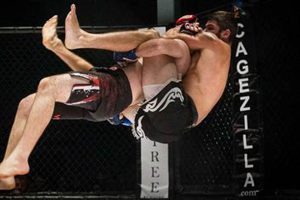
Female athletes competing in mixed martial arts represent a rapidly growing segment of the sport. These individuals undergo rigorous training in diverse martial arts disciplines, including striking, grappling, and wrestling, to prepare for competition inside a regulated cage or ring. A typical bout involves three to five rounds, each lasting five minutes, with victory determined by knockout, technical knockout, submission, or judges’ decision.
The rise of female participation in this demanding sport signifies a shift in athletic landscape and societal perceptions of women in combat sports. It offers a powerful platform for these athletes to showcase their strength, skill, and strategic thinking. Furthermore, their increasing visibility challenges traditional gender roles and inspires a new generation of female athletes. The development of prominent female fighters has played a pivotal role in solidifying the sport’s legitimacy and expanding its fanbase.
This article will further examine the training regimens, dietary considerations, and the unique challenges faced by female mixed martial artists. It will also explore the evolution of women’s MMA, highlighting key figures and pivotal moments that have shaped its current form. Lastly, the discussion will analyze the future prospects of women’s MMA and its growing impact within the larger sporting world.
Tips for Aspiring Female Mixed Martial Artists
This section offers guidance for individuals pursuing a career in professional mixed martial arts. These insights draw upon the experiences of established competitors and aim to provide practical advice for aspiring athletes.
Tip 1: Develop a Strong Foundation: A solid base in fundamental martial arts disciplines is essential. Focus on developing proficiency in wrestling, Brazilian Jiu-Jitsu, boxing, or Muay Thai before transitioning to specialized MMA training.
Tip 2: Prioritize Strength and Conditioning: Mixed martial arts demands exceptional physical conditioning. Implement a rigorous training program that incorporates strength training, plyometrics, and cardiovascular exercises tailored to the demands of the sport.
Tip 3: Refine Technical Skills: Continuous refinement of technical skills is crucial for success. Regular sparring sessions and drills are essential for honing techniques and developing fight IQ.
Tip 4: Seek Expert Coaching: Experienced coaching is invaluable. A qualified coach provides personalized guidance, identifies areas for improvement, and develops strategies tailored to individual strengths and weaknesses.
Tip 5: Maintain a Disciplined Diet: Proper nutrition fuels optimal performance. Adhere to a balanced diet that supports training demands and ensures adequate recovery.
Tip 6: Prioritize Recovery: Adequate rest and recovery are crucial for injury prevention and performance optimization. Implement recovery strategies, including sleep, active recovery, and appropriate therapeutic modalities.
Tip 7: Develop Mental Fortitude: Mental resilience is essential for navigating the challenges of training and competition. Cultivate mental toughness through visualization techniques, mindfulness practices, and pre-performance routines.
Tip 8: Study the Sport: Analyze fights, understand different fighting styles, and learn from successful competitors. This knowledge enhances strategic thinking and improves adaptability inside the cage.
By adhering to these guidelines, aspiring athletes can enhance their skills, optimize their training, and improve their prospects for success in the demanding world of professional mixed martial arts. These foundational elements provide a pathway toward achieving peak performance and reaching full potential within the sport.
This foundational guidance sets the stage for a deeper exploration of the specific training methodologies and strategic considerations crucial for success in mixed martial arts.
1. Skill

Skill in mixed martial arts encompasses a broad spectrum of disciplines and techniques, essential for success in the combat arena. A fighter’s skill set directly impacts their ability to execute offensive and defensive maneuvers, control the pace of a bout, and ultimately, secure victory. This section explores key facets of skill development relevant to female mixed martial artists.
- Striking Proficiency
Striking encompasses punches, kicks, elbows, and knee strikes. Proficiency in striking involves not only power and accuracy but also timing, footwork, and combination execution. A fighter with refined striking skills can dictate the range of engagement, effectively counter opponent attacks, and inflict significant damage. Examples include Valentina Shevchenko’s precise Muay Thai strikes and Holly Holm’s devastating head kicks. Effective striking can create openings for takedowns or secure a knockout victory.
- Grappling Expertise
Grappling involves techniques like takedowns, submissions, and ground control. Mastery of grappling allows a fighter to dictate the location of the fight, neutralize an opponent’s striking advantage, and secure dominant positions. Ronda Rousey’s judo throws and armbars, and Mackenzie Dern’s Brazilian Jiu-Jitsu submissions, exemplify grappling expertise. Dominant grappling can lead to submissions or create opportunities for ground-and-pound attacks.
- Defensive Prowess
Defensive skills are crucial for mitigating damage and creating counter-offensive opportunities. Effective defense includes head movement, blocking, parrying, and footwork to evade strikes, as well as submission defense and escapes from disadvantageous grappling positions. Zhang Weili’s ability to absorb pressure and counter effectively highlights the importance of defensive prowess. A strong defense allows fighters to weather storms, conserve energy, and capitalize on opponent mistakes.
- Transitional Fluidity
Seamless transitions between striking and grappling are crucial for controlling the flow of a fight. A fighter who can smoothly transition from striking to a takedown, or from defending a takedown to a dominant grappling position, possesses a significant advantage. Amanda Nunes’ ability to seamlessly blend striking and grappling showcases transitional fluidity. Effective transitions create unpredictable offensive opportunities and disrupt an opponent’s rhythm.
The development of these multifaceted skills requires dedicated training, rigorous practice, and continuous refinement. A well-rounded skill set is fundamental for success in the dynamic and demanding realm of women’s mixed martial arts, enabling fighters to effectively navigate the complexities of combat and achieve victory.
2. Strength

Strength, a cornerstone of success in mixed martial arts, manifests in various forms for female competitors. Beyond the obvious physical power necessary for striking and grappling, strength encompasses muscular endurance, core stability, and explosive power. These components contribute significantly to a fighter’s ability to deliver impactful strikes, maintain control in grappling exchanges, and endure the grueling physical demands of a fight. Consider Amanda Nunes’ powerful takedowns and dominant ground-and-pound, directly attributable to her exceptional strength. Similarly, Zhang Weili’s ability to maintain a relentless pace throughout a fight highlights the importance of muscular endurance. The absence of adequate strength can limit a fighter’s offensive capabilities and increase vulnerability to takedowns and submissions.
Developing and maintaining optimal strength requires a dedicated training regimen tailored to the specific demands of mixed martial arts. This includes resistance training focusing on compound movements like squats, deadlifts, and presses, which build overall strength and power. Plyometric exercises enhance explosive power, crucial for generating force in strikes and takedowns. Core strengthening exercises improve stability and balance, essential for maintaining control during grappling exchanges and absorbing impacts. Furthermore, proper nutrition and recovery strategies play a crucial role in supporting strength development and mitigating the risk of injury. Neglecting any of these components can compromise a fighter’s strength and overall performance inside the cage.
In conclusion, strength, in its multifaceted nature, is not merely an advantage but a necessity for female mixed martial artists. It underpins both offensive and defensive capabilities, influencing a fighter’s ability to dictate the pace and outcome of a bout. The cultivation of strength, through dedicated training, appropriate nutrition, and adequate recovery, is therefore an integral part of a fighter’s preparation, contributing significantly to their success and longevity in the sport. This understanding provides a foundation for appreciating the crucial role of strength in the broader context of mixed martial arts performance.
3. Strategy

Strategy in mixed martial arts is the intelligent application of techniques and skills based on a fighter’s strengths and weaknesses, and in response to an opponent’s particular fighting style. It is the blueprint for victory, dictating how a fighter navigates the complex and dynamic nature of combat. Effective fight strategy considers factors such as reach advantage, power differentials, grappling proficiency, and susceptibility to specific techniques. For instance, a fighter with superior reach might employ a strategy centered on maintaining distance and utilizing long-range strikes, as seen in Holly Holm’s approach against taller opponents. Conversely, a fighter with strong grappling skills might prioritize takedowns and ground control, exemplified by Ronda Rousey’s judo-based strategy. A well-defined strategy also accounts for potential shifts in momentum and prepares the fighter to adapt to changing circumstances during the bout.
The development of a sound strategy requires careful analysis of both the fighter’s own capabilities and the opponent’s tendencies. This involves studying past fight footage, identifying patterns and vulnerabilities, and formulating a game plan that maximizes strengths while mitigating weaknesses. It also requires the ability to anticipate an opponent’s reactions and adjust the strategy accordingly during the fight. Valentina Shevchenko’s methodical approach to dissecting opponents and implementing targeted game plans demonstrates the importance of pre-fight preparation and in-fight adjustments. Failure to develop a coherent strategy can lead to predictable attacks, easily countered by a skilled opponent, and increases the likelihood of succumbing to pressure in critical moments. Moreover, a lack of adaptability can render a pre-determined strategy ineffective if the opponent deviates from their expected patterns.
In essence, strategy is the intellectual backbone of a successful mixed martial arts career. It represents the fusion of physical prowess, technical skill, and mental acuity. A well-defined and adaptable strategy enhances the probability of victory, mitigates risks, and allows fighters to perform at their optimal level, regardless of the opponent’s style or the evolving dynamics of the fight. It underscores the importance of not simply reacting to an opponent but actively shaping the course of the bout through informed decision-making and calculated execution. Understanding the critical role of strategy provides a crucial lens for analyzing and appreciating the nuances of mixed martial arts competition.
4. Discipline

Discipline forms the bedrock of success for female mixed martial artists, permeating every facet of their journey from initial training to competitive bouts. It represents the unwavering commitment to rigorous training schedules, dietary restrictions, and recovery protocols, even when motivation wanes. This steadfast adherence to structure and routine allows athletes to consistently refine their skills, optimize physical conditioning, and maintain mental focus, crucial for navigating the intense demands of the sport. Consider, for example, the unwavering dedication of Joanna Jdrzejczyk, renowned for her disciplined approach to training and diet, which significantly contributed to her dominant reign as UFC strawweight champion. Conversely, a lack of discipline can lead to inconsistent training, hindering skill development and increasing vulnerability to injury. It can also manifest in poor dietary choices, negatively impacting energy levels and recovery, ultimately compromising performance. Therefore, discipline acts as a crucial link between aspiration and achievement in the demanding world of mixed martial arts.
The practical significance of discipline extends beyond physical training. It cultivates mental resilience, enabling fighters to overcome setbacks, manage pressure, and maintain focus during intense competition. This mental fortitude is crucial for executing strategies effectively, adapting to changing circumstances within a fight, and recovering from losses. The disciplined mind remains focused on long-term goals, even amidst the immediate challenges of training and competition. Rose Namajunas, known for her composure under pressure, exemplifies the power of disciplined mental preparation. Her ability to maintain focus and execute her game plan, even in high-stakes title fights, underscores the crucial connection between mental discipline and competitive success. This mental resilience, nurtured through consistent discipline, provides a significant competitive edge.
In conclusion, discipline is not merely a desirable trait but an essential ingredient for success in women’s mixed martial arts. It fuels consistent progress, fosters mental fortitude, and ultimately determines a fighter’s ability to reach their full potential. While natural talent and physical attributes play a role, it is discipline that binds these elements together, shaping a fighter’s trajectory and influencing their long-term success. Recognizing the pervasive influence of discipline provides a deeper understanding of the dedication and resilience required to thrive in this demanding sport, highlighting its crucial role in separating aspiring athletes from those who achieve lasting success.
5. Resilience

Resilience, the capacity to recover quickly from difficulties, stands as a defining characteristic of successful female mixed martial artists. Within the demanding realm of professional fighting, resilience is not merely an advantageous trait; it is a fundamental requirement for navigating the physical and mental rigors of training, competition, and the inevitable setbacks encountered along the way. This exploration delves into the multifaceted nature of resilience within the context of women’s MMA, highlighting its crucial role in shaping a fighter’s trajectory and influencing their long-term success.
- Physical Resilience
Physical resilience encompasses the ability to withstand and recover from the intense physical demands of training and competition. This includes enduring grueling training sessions, absorbing powerful strikes, and recovering from injuries. Fighters like Zhang Weili, known for her ability to absorb significant damage and continue fighting, exemplify physical resilience. This resilience is built through consistent strength and conditioning, proper nutrition, and effective recovery strategies. Without it, a fighter’s body becomes susceptible to injury and their performance deteriorates, limiting their ability to compete effectively.
- Mental Resilience
Mental resilience refers to the capacity to cope with pressure, manage stress, and maintain focus amidst adversity. This includes handling the psychological challenges of competition, overcoming losses, and maintaining confidence in the face of doubt. Rose Namajunas, known for her composure under pressure, exemplifies mental resilience. This resilience is cultivated through mental training techniques like visualization, mindfulness, and positive self-talk. A strong mental game allows fighters to perform at their best under pressure and bounce back from setbacks, crucial for long-term success in the sport.
- Emotional Resilience
Emotional resilience involves managing the emotional rollercoaster inherent in a fighting career. This includes handling the disappointment of losses, navigating the pressure of expectations, and maintaining a positive outlook despite setbacks. Valentina Shevchenko, known for her unwavering focus and calm demeanor, exemplifies emotional resilience. This ability to regulate emotions allows fighters to avoid emotional burnout and maintain a healthy relationship with the sport, promoting longevity and consistent performance.
- Competitive Resilience
Competitive resilience embodies the ability to adapt and adjust during a fight, overcoming challenges and capitalizing on opportunities as they arise. This includes changing tactics mid-fight, recovering from knockdowns, and maintaining composure when facing unexpected adversity. Amanda Nunes, renowned for her ability to adapt her game plan and finish fights in various ways, exemplifies competitive resilience. This adaptability allows fighters to overcome in-fight adversity, exploit opponent weaknesses, and seize victory even when facing unexpected challenges.
These facets of resilience are interconnected and essential for sustained success in women’s MMA. A fighter lacking physical resilience risks frequent injuries, while a fighter lacking mental or emotional resilience may struggle with performance anxiety or crumble under pressure. Competitive resilience allows fighters to navigate the unpredictable nature of combat and emerge victorious even when facing unexpected challenges. The cultivation of these interconnected resiliencies is therefore not merely an advantage, but a necessity for any female athlete aspiring to thrive in the demanding world of mixed martial arts.
6. Dedication

Dedication represents the unwavering commitment required to excel in the intensely demanding world of women’s mixed martial arts. It fuels the relentless pursuit of improvement, pushing athletes beyond their comfort zones and enabling them to overcome the physical and mental challenges inherent in the sport. This dedication manifests in countless hours spent honing skills, pushing physical limits in strength and conditioning, and maintaining strict dietary regimens. It’s the driving force behind early morning training sessions, late-night film study, and the sacrifices made in personal lives to prioritize training. Consider Weili Zhang’s rigorous training schedule, often involving multiple sessions per day, encompassing striking, grappling, and strength and conditioning, which exemplifies the dedication required to compete at the highest level. Without this level of commitment, progress stagnates, potential remains unrealized, and the dream of competing professionally remains elusive. The sacrifices required demand an unwavering commitment to the sport, separating those who aspire from those who achieve.
The practical significance of dedication extends beyond the gym and into the competitive arena. It fosters the mental fortitude needed to maintain focus, execute strategies effectively, and persevere through adversity during a fight. This resilience, born from dedication, enables fighters to remain composed under pressure, adapt to changing circumstances, and capitalize on opportunities as they arise. Think of Valentina Shevchenko’s unwavering focus and disciplined approach, which allows her to systematically dismantle opponents and consistently perform at her peak. This unwavering focus, cultivated through years of dedicated training, allows her to execute her game plan with precision and adapt effectively to unexpected challenges. Conversely, a lack of dedication can manifest as a lack of mental sharpness, diminished physical conditioning, and an inability to maintain composure during critical moments, ultimately increasing the likelihood of defeat. The level of dedication directly correlates with a fighter’s ability to perform under pressure and achieve sustained success.
In conclusion, dedication is not simply a desirable attribute but a non-negotiable requirement for success in women’s mixed martial arts. It is the engine that drives progress, fuels resilience, and ultimately determines a fighter’s ability to reach their full potential. It’s the commitment to continuous improvement, the willingness to push beyond perceived limits, and the unwavering pursuit of excellence that separates aspiring athletes from those who achieve lasting success. Recognizing the profound impact of dedication provides a fundamental understanding of the sacrifices and unwavering commitment required to thrive in this challenging sport. This understanding underscores the critical role of dedication in shaping a fighter’s journey and influencing their ultimate legacy within the sport.
Frequently Asked Questions about Female Mixed Martial Artists
This section addresses common inquiries regarding female participation in mixed martial arts, providing factual information and dispelling prevalent misconceptions.
Question 1: Are female fighters as skilled as their male counterparts?
Skill in mixed martial arts is not determined by gender but rather by individual training, dedication, and natural aptitude. Female fighters undergo the same rigorous training regimens as male fighters, developing proficiency in striking, grappling, and other martial arts disciplines. Many female fighters demonstrate exceptional technical skill and strategic acumen, achieving high levels of proficiency within the sport.
Question 2: Is women’s MMA as physically demanding as men’s MMA?
The physical demands of mixed martial arts are significant for both male and female athletes. Competitors undergo intense training regimens encompassing strength and conditioning, skill development, and sparring. While physiological differences exist between genders, the commitment to physical fitness and the rigors of competition are equally demanding for both male and female fighters. Both endure significant physical stress during training and competition.
Question 3: Does women’s MMA receive equal recognition compared to men’s MMA?
While women’s MMA has made significant strides in gaining recognition and popularity, disparities in media coverage, sponsorship opportunities, and compensation remain. However, the increasing prominence of female fighters and the growing fan base indicate continued progress toward greater parity within the sport.
Question 4: Are there weight classes in women’s MMA?
Similar to men’s MMA, women’s MMA features various weight classes, ensuring fair competition between athletes of similar size and weight. These weight classes provide a structured framework for matchmaking and help mitigate potential risks associated with significant size discrepancies between competitors.
Question 5: How can one begin training in women’s MMA?
Aspiring female MMA fighters should begin by researching reputable gyms and coaches experienced in training female athletes. Prior experience in martial arts such as boxing, wrestling, or Brazilian Jiu-Jitsu can be beneficial but is not always required. Many gyms offer introductory classes and programs for beginners.
Question 6: What are the long-term health considerations for female MMA fighters?
As with any combat sport, long-term health considerations are relevant for female MMA fighters. Potential risks include head trauma, joint injuries, and other physical ailments. However, proper training, adherence to safety protocols, and appropriate medical supervision can help mitigate these risks. Furthermore, ongoing research continues to improve understanding and management of long-term health implications for athletes in combat sports.
This FAQ section provides a starting point for understanding the realities of women’s MMA. Further research and engagement with the sport can offer a deeper appreciation of the dedication, skill, and athleticism of female mixed martial artists.
This concludes the frequently asked questions section. The following section will explore…
Conclusion
This exploration of female athletes in mixed martial arts has provided insights into the multifaceted nature of their involvement. From the foundational elements of skill, strength, and strategy, to the crucial roles of discipline, resilience, and unwavering dedication, the journey of a female mixed martial artist demands a complex interplay of physical prowess, mental fortitude, and unwavering commitment. The analysis of these key attributes underscores the rigorous preparation, intense training regimens, and sacrifices required to succeed in this demanding sport. Moreover, the examination of frequently asked questions addresses common misconceptions and sheds light on the realities of female participation in professional fighting, highlighting the growing recognition and evolving landscape of women’s MMA.
The future of women’s mixed martial arts appears poised for continued growth and evolution. As more female athletes enter the sport and achieve high levels of proficiency, the level of competition will undoubtedly intensify, pushing the boundaries of athleticism and skill. This continued evolution promises to further elevate the sport, inspiring future generations of female athletes and expanding the global reach of mixed martial arts. The increasing visibility of female fighters challenges traditional perceptions of women in combat sports, paving the way for greater recognition, opportunity, and equality within the broader sporting world. Continued support and engagement with women’s MMA are crucial for fostering this positive trajectory and ensuring the continued growth and recognition of these exceptional athletes.