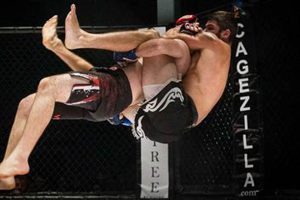
The path to becoming a mixed martial arts (MMA) competitor requires dedication, discipline, and a multifaceted approach encompassing physical training, strategic development, and careful career management. It involves acquiring proficiency in various martial arts disciplines, honing physical fitness to peak condition, and navigating the complexities of the professional fighting world.
Success in this demanding field offers substantial rewards, ranging from personal fulfillment derived from achieving high levels of physical and mental prowess to potential financial gains and recognition within a global sporting community. The evolution of MMA from its more rudimentary beginnings to the sophisticated and highly regulated sport it is today has created a structured pathway for aspiring fighters, complete with established training methodologies and professional support systems.
This article will explore the essential steps involved in this journey, covering topics such as selecting appropriate training disciplines, finding qualified coaches, developing a robust training regimen, understanding the importance of nutrition and recovery, and navigating the process of entering and advancing within the professional MMA landscape.
Essential Steps for Aspiring MMA Fighters
This section outlines crucial steps for individuals pursuing a career in mixed martial arts. These recommendations provide a framework for navigating the complex journey towards becoming a successful competitor.
Tip 1: Discipline Selection and Specialization: Begin by exploring various martial arts disciplines such as wrestling, Brazilian Jiu-Jitsu, Muay Thai, and boxing. Focus on developing a strong foundation in two or three complementary styles. Specializing eventually allows for a more refined and effective fighting style.
Tip 2: Seeking Expert Guidance: Finding experienced and reputable coaches is paramount. Qualified coaches provide personalized instruction, technical refinement, and strategic guidance essential for development.
Tip 3: Strength and Conditioning: MMA requires peak physical condition. Implement a comprehensive strength and conditioning program that includes weight training, plyometrics, and cardiovascular exercises tailored to the demands of the sport.
Tip 4: Nutritional Strategies and Recovery: Proper nutrition and recovery are vital for maximizing performance and preventing injuries. Consult a nutritionist to develop a personalized meal plan and prioritize rest and recovery strategies.
Tip 5: Sparring and Competition Experience: Regular sparring sessions provide invaluable experience in applying techniques under pressure. Participating in amateur competitions offers opportunities to test skills and gain practical fighting experience.
Tip 6: Building a Professional Network: Connecting with managers, promoters, and other professionals within the MMA community is essential for career advancement. Networking facilitates access to opportunities and builds crucial relationships.
Tip 7: Continuous Learning and Adaptation: The MMA landscape is constantly evolving. Stay updated on new techniques, training methodologies, and rule changes. Adaptability and continuous learning are critical for long-term success.
By diligently following these steps, aspiring fighters can establish a solid foundation for a successful MMA career. Consistent effort, dedication, and a strategic approach are key to realizing one’s full potential within this demanding yet rewarding sport.
The following section will discuss the importance of mental fortitude and psychological preparation for competition.
1. Disciplined Training
Disciplined training forms the bedrock of a successful mixed martial arts career. It represents the consistent, dedicated effort required to hone skills, develop physical conditioning, and cultivate the mental fortitude necessary for competition. This structured approach differentiates aspiring fighters from casual practitioners, enabling them to systematically progress towards professional levels. Consistent training allows for the gradual mastery of complex techniques, builds muscle memory, and enhances reaction timecritical factors in the fast-paced environment of MMA. For instance, fighters like Georges St-Pierre, renowned for their rigorous training regimens, exemplify the transformative power of discipline in achieving elite status. His dedication to wrestling, Brazilian Jiu-Jitsu, and boxing, coupled with intense strength and conditioning programs, allowed him to dominate opponents and become a champion.
The impact of disciplined training extends beyond physical prowess. It instills mental resilience, enabling fighters to withstand the rigors of intense training camps, manage the pressure of competition, and overcome setbacks. Adherence to a structured training schedule, even amidst other commitments, demonstrates commitment and fosters the self-discipline crucial for long-term success. This mental toughness translates directly into the cage, enabling fighters to maintain focus and composure during challenging moments. Furthermore, consistent engagement in strength and conditioning programs minimizes the risk of injury, ensuring sustained progress and longevity in the sport.
In summary, disciplined training is not merely a component of becoming an MMA fighter; it is the cornerstone upon which success is built. It cultivates the physical skills, mental fortitude, and injury resilience essential for navigating the demanding world of professional MMA. While natural talent can offer an initial advantage, it is the unwavering commitment to disciplined practice that ultimately separates contenders from champions. The challenges inherent in maintaining such discipline are significant, requiring athletes to prioritize training, adhere to strict dietary guidelines, and make lifestyle choices conducive to their athletic goals. However, the rewards, both physical and mental, justify the sacrifices made in pursuit of excellence.
2. Skill Development
Skill development is paramount in the pursuit of becoming a successful mixed martial artist. Mastery of multiple martial arts disciplines forms the foundation upon which effective fighting strategies are built. A well-rounded skill set allows fighters to adapt to various opponents and situations within the dynamic environment of the cage. This involves not just surface-level proficiency, but a deep understanding of the nuances of each discipline, including striking, grappling, and submissions. For instance, a fighter proficient in wrestling might seamlessly transition to ground control and dominant positions, while expertise in Brazilian Jiu-Jitsu provides a framework for submissions and escapes. This integration of diverse skills creates a more versatile and adaptable fighter, capable of dictating the pace and flow of a bout. Consider the career of Demetrious Johnson, whose mastery of wrestling, striking, and grappling propelled him to championship status and solidified his reputation as one of the most well-rounded fighters in the sport. His diverse skill set enabled him to neutralize opponents with varying styles and maintain dominance across multiple weight classes.
The practical significance of skill development extends beyond individual techniques. It fosters strategic thinking, enabling fighters to anticipate opponent movements, exploit weaknesses, and capitalize on opportunities. This strategic application of skills differentiates a skilled fighter from a mere technician. Effective strategy development necessitates a thorough understanding of one’s own strengths and weaknesses, as well as the ability to analyze and adapt to an opponent’s fighting style. Fighters with a strong understanding of fight dynamics can effectively control the distance, dictate the terms of engagement, and ultimately impose their will upon opponents. The evolution of MMA has seen an increasing emphasis on well-roundedness, highlighting the importance of continuous skill development across various disciplines. This evolution reinforces the need for fighters to remain adaptable and versatile in their approach to training and competition.
In conclusion, skill development is not merely a collection of techniques, but a dynamic process of continuous learning, adaptation, and refinement. It is the cornerstone of effective fight strategy and a critical determinant of success in the complex world of mixed martial arts. The dedication required to master multiple disciplines, coupled with the ability to strategically apply these skills, is what separates contenders from champions. While physical attributes and mental fortitude play important roles, the ability to effectively utilize and integrate a diverse range of skills is paramount in achieving lasting success within this demanding sport.
3. Physical Conditioning
Physical conditioning represents a cornerstone of success in mixed martial arts. The demanding nature of the sport necessitates peak physical performance across various domains, including strength, endurance, flexibility, and power. A comprehensive conditioning program is not merely supplementary but fundamental to a fighter’s ability to train effectively, compete optimally, and mitigate the risk of injury. This involves a multifaceted approach that goes beyond general fitness, targeting specific physiological attributes essential for success in the cage.
- Strength and Power Development:
Strength and power are crucial for generating impactful strikes, executing takedowns, and controlling opponents. Effective strength training programs incorporate compound exercises like squats, deadlifts, and bench presses, alongside Olympic lifts and plyometrics to develop explosive power. Fighters like Francis Ngannou exemplify the impact of exceptional strength and power, demonstrating the ability to finish fights with devastating force. This facet of physical conditioning directly translates into improved performance and competitive advantage within the octagon.
- Cardiovascular Endurance:
MMA bouts demand high levels of cardiovascular endurance to maintain performance throughout multiple rounds of intense activity. Training regimens incorporate extensive roadwork, interval training, and sparring sessions to develop the necessary stamina. Dominick Cruz’s relentless pace and ability to maintain high output throughout fights highlight the critical role of cardiovascular endurance. This element of physical conditioning allows fighters to sustain pressure, dictate the tempo of a fight, and avoid fatigue-induced vulnerabilities.
- Flexibility and Mobility:
Flexibility and mobility are often overlooked but equally crucial components of physical conditioning. Enhanced flexibility improves range of motion, reduces the risk of injury, and facilitates the execution of various techniques, including kicks, submissions, and transitions. Jon Jones’s unorthodox striking and grappling, facilitated by exceptional flexibility, demonstrate the strategic advantages it offers. This aspect of physical conditioning contributes to overall athleticism and allows fighters to execute techniques with greater efficiency and precision.
- Injury Prevention and Recovery:
The rigorous nature of MMA training necessitates a proactive approach to injury prevention and recovery. Proper warm-up routines, cool-down protocols, and active recovery strategies are essential for minimizing the risk of injury and promoting tissue repair. Georges St-Pierre’s meticulous approach to training and recovery contributed to a long and successful career, largely free from significant injuries. This focus on injury prevention and recovery is crucial for maintaining consistent training and maximizing longevity within the demanding sport of MMA.
These interconnected facets of physical conditioning collectively determine a fighter’s preparedness for the rigors of MMA competition. A comprehensive training program addresses each of these areas, ensuring that fighters possess the necessary physical attributes to perform at their peak. Negligence in any one area can create vulnerabilities and compromise overall performance. The dedication and discipline required to maintain a high level of physical conditioning are integral to the journey of becoming a successful mixed martial artist, highlighting the inseparable link between physical preparedness and competitive success.
4. Strategic Mindset
Strategic mindset represents a crucial element in the development of a successful mixed martial artist. It encompasses the ability to analyze opponents, formulate effective game plans, adapt to changing circumstances within a fight, and manage the psychological pressures of competition. This cognitive aspect of fighting distinguishes skilled competitors from those who rely solely on physical attributes or technical proficiency. A strategic mindset allows fighters to maximize their strengths, exploit opponent weaknesses, and make informed decisions under duress. For example, a fighter facing a taller opponent with a significant reach advantage might employ a strategy focused on closing the distance, utilizing takedowns, and engaging in close-quarters combat. Conversely, a fighter with superior grappling skills might prioritize taking the fight to the ground, seeking dominant positions, and working towards submissions. This pre-fight analysis and strategic planning significantly influence the outcome of a bout, demonstrating the practical significance of a well-defined game plan. Consider the career of Dominick Cruz, whose strategic brilliance, coupled with exceptional footwork and movement, allowed him to outmaneuver opponents and achieve championship status despite not possessing overwhelming physical advantages. His ability to analyze opponents, anticipate their movements, and implement effective counter-strategies exemplifies the power of a strategic mindset.
The importance of a strategic mindset extends beyond pre-fight planning. In-fight adaptability is equally crucial. The dynamic nature of MMA requires fighters to adjust their strategies in real-time, responding to opponent tactics, unexpected events, and shifts in momentum. This adaptability necessitates a deep understanding of fight dynamics, the ability to recognize patterns, and the mental flexibility to deviate from the initial game plan when necessary. A fighter injured early in a bout might need to shift from an aggressive, offensive strategy to a more defensive, counter-striking approach. This capacity to adapt mid-fight often determines the outcome, highlighting the critical role of strategic thinking under pressure. Fighters like Fedor Emelianenko, known for their composure and adaptability, demonstrate the advantage of maintaining a strategic mindset even in chaotic fight situations. His ability to capitalize on opponent mistakes and adjust his tactics mid-fight contributed to his legendary status.
In conclusion, strategic mindset is not merely a desirable trait but an essential component of success in mixed martial arts. It represents the cognitive framework that underpins effective training, intelligent competition, and long-term career development. Cultivating a strategic mindset requires continuous study of the sport, meticulous analysis of opponents, and the development of mental resilience to adapt under pressure. While physical attributes and technical skills are undoubtedly important, the strategic application of these elements ultimately determines a fighter’s potential. The challenges inherent in developing a strategic mindset, including the ability to control emotions, manage pressure, and make sound decisions in the heat of battle, underscore the crucial role of mental fortitude in achieving lasting success within this demanding sport.
5. Professional Guidance
Professional guidance plays a pivotal role in the complex journey of becoming a successful mixed martial artist. Securing knowledgeable and experienced mentorship is essential for navigating the intricacies of the sport, optimizing training regimens, and making informed career decisions. This guidance can come from various sources, including coaches, trainers, managers, nutritionists, and even experienced fighters. Coaches provide technical expertise, refine fighting skills, develop personalized training programs, and offer strategic insights tailored to individual strengths and weaknesses. Managers handle contractual negotiations, secure fight opportunities, and manage public image, allowing fighters to focus on training and competition. Nutritionists develop customized dietary plans that optimize performance and support recovery, while experienced fighters offer invaluable mentorship, sharing practical knowledge and insights gained through years of competition. For instance, a young fighter with knockout power might benefit from a coach specializing in striking techniques, while a fighter with a strong wrestling background might seek guidance from a coach experienced in grappling and ground control. This targeted approach to professional guidance maximizes individual potential and accelerates the developmental trajectory.
The practical significance of professional guidance extends beyond technical development. Experienced mentors provide invaluable support in navigating the often-challenging landscape of professional MMA. They offer guidance on managing the psychological pressures of competition, developing effective training habits, and avoiding common pitfalls that can derail a fighter’s career. For example, a manager can help a fighter negotiate favorable contracts, secure sponsorships, and build a positive public image, all of which contribute to long-term career success. Furthermore, experienced mentors can provide emotional support and guidance during challenging times, helping fighters maintain focus and motivation amidst setbacks and adversity. The mentorship provided by figures like Javier Mendez, renowned for guiding fighters like Cain Velasquez and Khabib Nurmagomedov to championship status, underscores the transformative impact of experienced guidance in MMA. His expertise in coaching, training, and strategic planning played a critical role in their success, demonstrating the practical value of seeking professional mentorship.
In conclusion, professional guidance is not merely advantageous but essential for aspiring MMA fighters. The expertise and support provided by coaches, managers, and other experienced professionals contribute significantly to a fighter’s development, competitive success, and overall career trajectory. The challenges inherent in navigating the complex world of professional MMA underscore the critical role of mentorship in maximizing potential and achieving long-term goals. While individual dedication and hard work are paramount, the strategic guidance and support provided by experienced professionals significantly enhance the likelihood of success in this demanding and competitive sport.
Frequently Asked Questions
This section addresses common inquiries regarding the path to becoming a mixed martial arts competitor. These responses aim to provide clarity and dispel misconceptions surrounding this demanding yet rewarding career path.
Question 1: What is the optimal age to begin training for MMA?
While individuals can begin training at various ages, commencing in adolescence or early adulthood often allows for optimal development of fundamental skills and physical conditioning. However, individuals of all ages can benefit from training in various martial arts disciplines.
Question 2: How long does it typically take to become a professional MMA fighter?
The timeline varies depending on individual dedication, training intensity, and access to quality coaching. Generally, several years of consistent training and amateur competition are required to develop the necessary skillset and experience for professional competition. Accelerated progress is often observed in individuals with prior experience in combat sports or other physically demanding disciplines.
Question 3: What are the most important physical attributes for MMA fighters?
While a combination of strength, speed, endurance, and flexibility is ideal, successful fighters often prioritize specific attributes based on their fighting style. For example, wrestlers might emphasize strength and explosiveness, while strikers might focus on speed and precision. A balanced approach to physical conditioning is generally recommended.
Question 4: How can one find reputable MMA gyms and coaches?
Thorough research, including online reviews, referrals from experienced practitioners, and personal visits to gyms, is crucial for identifying reputable training environments. Observing classes, assessing coaching credentials, and considering the gym’s overall atmosphere contribute to informed decision-making.
Question 5: What are the primary costs associated with training for MMA?
Expenses include gym memberships, coaching fees, equipment purchases, travel to competitions, and potential medical expenses. Costs can vary significantly depending on location and training intensity. Financial planning and budgeting are crucial for managing these expenses effectively.
Question 6: How does one transition from amateur to professional MMA competition?
Accumulating sufficient amateur experience, demonstrating competitive success, and building connections within the MMA community are essential steps toward professional status. Connecting with reputable managers and promoters is crucial for navigating the transition and securing professional fighting opportunities.
Consistent dedication, strategic planning, and professional guidance are crucial factors in successfully navigating the path toward a career in professional MMA. The information provided here offers a starting point for individuals considering this demanding yet rewarding pursuit.
The next section delves further into the intricacies of developing a robust training regimen for MMA competition.
Conclusion
The journey toward becoming a mixed martial arts competitor demands unwavering dedication, strategic planning, and a multifaceted approach to training. From mastering diverse martial arts disciplines and developing peak physical conditioning to cultivating a strategic mindset and securing professional guidance, each element plays a crucial role in shaping a fighter’s trajectory. The interconnectedness of these components necessitates a holistic approach, recognizing that success in the cage hinges on a harmonious blend of physical prowess, technical skill, and mental fortitude. This rigorous path offers substantial rewards, including the development of self-discipline, the pursuit of physical excellence, and the opportunity to compete within a dynamic and rapidly evolving sport.
The evolving landscape of mixed martial arts presents both challenges and opportunities for aspiring fighters. The increasing emphasis on well-rounded skill sets, strategic adaptability, and physical preparedness underscores the need for continuous development and a commitment to lifelong learning. While the path to becoming a successful MMA fighter is undoubtedly arduous, the pursuit of excellence within this demanding sport offers profound rewards, fostering personal growth, resilience, and the realization of one’s full potential. The commitment required to navigate this journey ultimately shapes not only athletes but individuals capable of overcoming challenges and achieving remarkable feats.