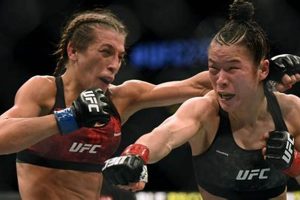
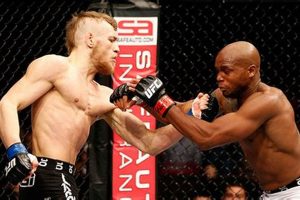
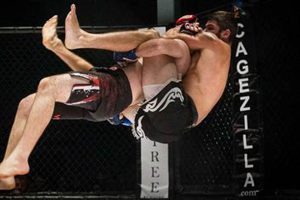
Characters proficient in mixed martial arts appearing in films occupy a unique space within the action genre. These figures may be protagonists, antagonists, or supporting roles, contributing to the narrative through physical prowess and combat skills. Examples include characters like Boyka from the Undisputed franchise or Jax from Mortal Kombat. Their fighting styles often blend various martial arts disciplines, showcasing a dynamic and visually engaging cinematic experience.
The depiction of mixed martial arts in film has evolved alongside the sport’s growing popularity. Such characters can elevate the action sequences, adding a layer of realism and intensity rarely achieved with other combat styles. Furthermore, these portrayals can introduce wider audiences to the complexities and athleticism of MMA, contributing to the sport’s mainstream acceptance and understanding. Historically, martial arts films often focused on more traditional styles like karate or kung fu; however, the emergence of MMA fighters on screen reflects a contemporary shift in audience interest and a desire for more realistic fight choreography.
This exploration will delve into various aspects of cinematic portrayals of mixed martial arts proficiency. Topics covered will include the impact of these characters on action cinema, the training and preparation actors undergo to embody these roles convincingly, and the influence of real-world MMA fighters on character development and fight choreography. Additionally, the evolution and future of mixed martial arts in film will be examined.
Tips for Portraying Mixed Martial Arts Fighters in Film
Creating believable and compelling mixed martial arts fighters for the screen requires careful consideration of various factors. The following tips offer guidance for developing such characters, from initial conception to performance and choreography.
Tip 1: Research and Understand MMA: Thorough research into various MMA disciplinesBrazilian Jiu-Jitsu, Muay Thai, wrestling, etc.is crucial. Understanding the nuances of each style informs realistic fight choreography and character development.
Tip 2: Authentic Fight Choreography: Fight scenes should reflect the strategic and dynamic nature of MMA. Avoid overly stylized or unrealistic movements. Consult with experienced MMA choreographers and trainers to ensure authenticity.
Tip 3: Develop Character Backstory: A compelling backstory adds depth to the character. Explore their motivations for fighting, their training regimen, and the sacrifices they make to compete.
Tip 4: Physical Conditioning and Training: Actors portraying MMA fighters should undergo rigorous physical training to convincingly embody the role. This includes strength training, conditioning, and learning basic MMA techniques.
Tip 5: Accurate Representation of Weight Classes: Casting should consider realistic weight classes. Avoid mismatches that undermine the credibility of fight scenes. Physicality should align with the character’s designated weight division.
Tip 6: Showcase the Mental Game: MMA is not just about physical prowess. Explore the psychological aspects of the sport, including the mental fortitude, discipline, and strategic thinking required to succeed.
Tip 7: Avoid Stereotypes: Represent MMA fighters with nuance and avoid harmful stereotypes. Showcase their diverse backgrounds, motivations, and personalities.
By adhering to these guidelines, filmmakers can create more authentic and engaging portrayals of mixed martial arts fighters, enhancing the overall cinematic experience and promoting a deeper understanding of the sport.
This exploration has offered insights into the multifaceted aspects of portraying mixed martial arts fighters in film. The following conclusion will summarize key takeaways and discuss the potential future of this subgenre within action cinema.
1. Fighting Style

A movie MMA fighter’s fighting style is a crucial element defining their character and contributing to the narrative’s impact. It differentiates characters, informs fight choreography, and enhances audience engagement. A well-defined fighting style adds depth and realism, grounding fantastical elements within a framework of recognizable martial arts techniques.
- Specialization vs. Versatility
Characters may specialize in a particular discipline like Muay Thai, Judo, or Brazilian Jiu-Jitsu, showcasing mastery of a specific skill set. Alternatively, they might demonstrate versatility, blending various techniques for a more unpredictable and adaptable approach. Specialization can create iconic fighting styles, while versatility reflects the adaptive nature of modern MMA. This choice impacts how the character interacts with other fighters and overcomes challenges.
- Aggressive vs. Defensive
Fighting styles can be broadly categorized as aggressive or defensive. Aggressive fighters prioritize offense, constantly pressuring opponents with strikes and takedowns. Defensive fighters focus on counterattacks and evasive maneuvers, capitalizing on opponent mistakes. This dichotomy creates dramatic tension and influences fight choreography, dictating pacing and power dynamics within scenes.
- Ground Game vs. Stand-up
A character’s preference for ground fighting (grappling, submissions) versus stand-up striking (punches, kicks) further distinguishes their style. A dominant ground game can convey strategic thinking and technical skill, while a powerful stand-up game emphasizes dynamic action and visual spectacle. This distinction also influences the types of opponents a character is likely to face and the strategies they employ.
- Integration of “Fantastic” Elements
In some films, particularly those with fantasy or sci-fi elements, characters may incorporate supernatural abilities or enhanced physical attributes into their fighting style. This integration must be carefully balanced with realistic MMA techniques to maintain a degree of believability and prevent the action from becoming overly cartoonish. This blend creates unique cinematic experiences, expanding the boundaries of traditional martial arts films.
These facets of fighting style contribute significantly to a movie MMA fighter’s overall portrayal. Whether a character relies on brutal force, technical precision, or a combination of both, their fighting style provides crucial insight into their personality, strengths, and weaknesses, ultimately enriching the narrative and enhancing audience immersion.
2. Physical Prowess

Physical prowess is paramount for a convincing portrayal of a movie MMA fighter. This extends beyond mere muscularity, encompassing a range of physical attributes contributing to a believable and impactful performance. Strength, speed, agility, flexibility, and endurance are all crucial components, reflecting the demanding nature of mixed martial arts. A character’s physical condition directly influences their fighting style, determining the effectiveness of strikes, grappling maneuvers, and overall combat strategy. This realism elevates the action sequences, allowing audiences to appreciate the athleticism and dedication required in the sport. For instance, actors portraying elite MMA fighters often undergo rigorous training regimens to develop the necessary physique and skills, mirroring the dedication of real-world athletes like Georges St-Pierre or Ronda Rousey, known for their exceptional physical conditioning.
The importance of physical prowess extends beyond individual combat scenes. A character’s physicality informs their overall presence, influencing how they move, interact, and intimidate opponents. This translates to a more compelling and authentic portrayal, even outside the ring or cage. Consider the imposing physique of a heavyweight fighter compared to the leaner build of a flyweight; these physical differences reflect distinct fighting strategies and contribute to narrative depth. Moreover, displaying realistic physical limitations adds a layer of vulnerability and raises the stakes. A fighter visibly fatigued after a grueling exchange adds a sense of realism and dramatic tension, emphasizing the physical toll of combat. Practical applications include casting choices based on physical suitability, tailored training programs for actors, and choreography designed to showcase specific physical attributes.
In summary, physical prowess is integral to the portrayal of a movie MMA fighter, shaping their fighting style, presence, and overall impact. Representing this realistically enhances audience engagement and appreciation for the sport’s demands. Challenges include the potential for overemphasis on physicality at the expense of character development, necessitating a balanced approach that integrates physical attributes with narrative depth and emotional resonance. Understanding this interconnectedness is crucial for creating believable and compelling characters that resonate within the broader context of action cinema.
3. Character Motivation
Character motivation forms the bedrock of compelling narratives for movie MMA fighters. Understanding why a character fights is as crucial as how they fight. Compelling motivations add depth, transforming fighters from mere brawlers into complex individuals with relatable struggles and aspirations. These motivations drive their actions, influencing training regimens, fighting styles, and interactions with other characters. A fighter driven by revenge will exhibit a different intensity and approach than one seeking self-improvement or driven by financial necessity. This nuanced portrayal fosters audience connection, generating empathy and investment in the character’s journey. Rocky Balboa’s desire to prove himself in the original Rocky exemplifies how a clear motivation can resonate with audiences, even if the character’s profession is inherently violent.
Exploring the cause-and-effect relationship between motivation and a fighter’s actions enhances narrative depth. A traumatic past might lead a character to seek control through disciplined training and aggressive fighting, while a desire to provide for their family could explain their relentless pursuit of championship titles and financial rewards. Examining these connections creates a more nuanced portrayal, moving beyond simplistic depictions of violence and exploring the underlying human drama. For instance, in Warrior (2011), both brothers are motivated by complex family dynamics and personal struggles, making their eventual confrontation emotionally charged and dramatically compelling. This understanding aids writers and filmmakers in crafting believable character arcs, generating emotional resonance and thematic weight.
In summary, character motivation is not merely a narrative element but a crucial component defining a movie MMA fighter. It shapes their actions, informs their fighting style, and fosters audience connection. The challenge lies in avoiding clichd or superficial motivations. Exploring the complexities of human behavior and grounding motivations in relatable experiences enriches the narrative and elevates the portrayal of movie MMA fighters beyond simplistic action tropes. A well-defined motivation adds layers of complexity, allowing audiences to connect with these characters on a deeper level and explore universal themes of perseverance, redemption, and the pursuit of one’s goals.
4. Training Regimen

A movie MMA fighter’s training regimen is a critical component in shaping their portrayal, reflecting the dedication and discipline required in mixed martial arts. Depicting a realistic training regimen adds a layer of authenticity, enhancing the character’s credibility and allowing audiences to glimpse the physical and mental preparation underlying combat prowess. This aspect offers narrative opportunities to showcase the character’s commitment, reveal their motivations, and foreshadow their fighting style. A well-structured training montage can convey more about a character than expositional dialogue, offering visual shorthand for their strengths, weaknesses, and overall approach to combat.
- Skill Development
Training sequences often highlight specific skill development, showcasing a character’s proficiency in disciplines like striking, grappling, or wrestling. This allows the narrative to visually demonstrate their strengths and areas of expertise. For instance, a character focusing on Muay Thai might be shown practicing devastating kicks and elbow strikes on heavy bags, foreshadowing their aggressive fighting style. This targeted training not only enhances realism but also provides insights into the character’s strategic approach to combat.
- Physical Conditioning
Physical conditioning forms the foundation of any credible MMA training regimen. Movie portrayals often showcase strength training, cardiovascular exercises, and flexibility drills. These scenes emphasize the physical demands of the sport, demonstrating the character’s commitment to peak performance. Visual cues like intense weightlifting sessions, grueling runs, and dynamic stretching routines underscore the dedication required to compete at a high level. This visual representation reinforces the character’s physical prowess and reinforces the athleticism inherent in mixed martial arts.
- Mental Fortitude
Beyond physical training, successful MMA fighters cultivate mental fortitude and discipline. Movie portrayals can depict meditation, visualization techniques, or rigorous sparring sessions that test a fighter’s resilience under pressure. This exploration of the mental game adds depth to the character, highlighting the psychological challenges alongside physical demands. Scenes showcasing a fighter’s composure under duress or their ability to strategize under pressure underscore the importance of mental strength in combat.
- Sparring and Strategy
Sparring sessions provide an opportunity to showcase a character’s fighting style in a dynamic context, revealing their tactical approach and adaptability. These scenes also allow for the introduction of mentors or training partners, adding layers to the character’s support system and narrative development. Observing how a character interacts with their coaches and training partners during sparring reveals their personality, strategic thinking, and ability to learn and adapt under pressure. This dynamic interplay provides crucial insights into their overall approach to combat and preparation.
The depiction of a movie MMA fighter’s training regimen is more than just a montage of physical exercises; it provides a window into the character’s dedication, discipline, and overall approach to combat. By showcasing the multifaceted nature of MMA trainingencompassing skill development, physical conditioning, mental fortitude, and strategic sparringfilms can create more nuanced and compelling portrayals of mixed martial artists. This attention to detail not only enhances realism but also provides valuable insights into the character’s motivations, strengths, and weaknesses, ultimately enriching the narrative and deepening audience engagement.
5. Narrative Role

A movie MMA fighter’s narrative role significantly impacts their character development, influencing their portrayal and the overall story arc. Examining these roles provides insight into how these characters contribute to the narrative, shaping themes and driving conflict. Their placement within the storyprotagonist, antagonist, mentor, or supporting characterinfluences their motivations, relationships, and ultimate impact on the narrative’s resolution. Understanding these narrative functions provides a framework for analyzing their purpose and significance within the film.
- Protagonist: The Hero’s Journey
As protagonists, movie MMA fighters often embody the classic hero’s journey, facing challenges and overcoming obstacles to achieve their goals. Their fighting skills become a tool for self-discovery and overcoming adversity, often symbolizing resilience and determination. Examples include Rocky Balboa in the Rocky franchise or Maggie Fitzgerald in Million Dollar Baby. The protagonist’s struggles resonate with audiences, fostering emotional investment and rooting for their eventual triumph. Their training and fights become metaphors for personal growth and overcoming internal and external conflicts.
- Antagonist: The Formidable Foe
Antagonistic MMA fighters provide a formidable physical and ideological challenge to the protagonist. Their fighting prowess represents a significant obstacle, forcing the protagonist to confront their own limitations and strive for improvement. Characters like Tong Po from Kickboxer or Ivan Drago from Rocky IV serve as intimidating adversaries, embodying opposing values and pushing the protagonist to their limits. Their presence elevates the stakes, intensifying the central conflict and driving the narrative forward.
- Mentor: Guiding the Next Generation
Mentor figures within the movie MMA landscape often impart wisdom, guidance, and technical expertise to younger fighters. They represent experience and tradition, providing crucial support for the protagonist’s development. Characters like Mr. Miyagi in The Karate Kid (while not strictly MMA, the mentor-student dynamic translates) or Mickey Goldmill in Rocky exemplify this role, shaping the protagonist’s skills and fostering their personal growth. Their presence adds depth to the narrative, exploring themes of legacy, mentorship, and the passing of knowledge from one generation to the next.
- Supporting Character: Adding Complexity and Conflict
Supporting characters in MMA-centric films contribute to the narrative by adding layers of complexity, conflict, and emotional depth. They can be training partners, rivals, family members, or friends, each impacting the protagonist’s journey in unique ways. These characters provide emotional support, create obstacles, or offer alternative perspectives, enriching the narrative tapestry. Apollo Creed’s transition from rival to friend in the Rocky franchise demonstrates how supporting characters can evolve and contribute to the protagonist’s development in unexpected ways. Their presence expands the narrative scope, exploring themes of loyalty, betrayal, and the importance of human connection.
By examining the diverse narrative roles occupied by movie MMA fighters, one gains a deeper appreciation for their impact on storytelling. These roles extend beyond physical combat, influencing character development, shaping thematic exploration, and driving narrative conflict. Whether serving as protagonists, antagonists, mentors, or supporting characters, their presence enriches the cinematic landscape, offering compelling portrayals of human strength, resilience, and the complexities of interpersonal relationships within the high-stakes world of mixed martial arts.
6. Emotional Depth
Emotional depth in portraying movie MMA fighters elevates characters beyond physical prowess, adding layers of complexity and relatability. Exploring their inner lives, motivations, and vulnerabilities transforms them into well-rounded individuals, fostering audience connection and enhancing narrative impact. This exploration delves into various facets contributing to emotional depth, demonstrating how vulnerability, fear, personal struggles, and relationships can enrich character portrayal and resonate with viewers.
- Vulnerability Beneath the Tough Exterior
Exploring a fighter’s vulnerabilities humanizes them, revealing the person behind the fighter. This can manifest as fear of failure, self-doubt, or past traumas impacting their present actions. Showing moments of vulnerability allows audiences to connect with the character on a deeper level, understanding their motivations and empathizing with their struggles. For example, a fighter struggling with the pressure of providing for their family adds a layer of emotional depth beyond the physicality of the sport.
- Fear and Self-Doubt in the Face of Adversity
Even the most skilled fighters experience fear and self-doubt. Exploring these emotions adds realism and depth to their portrayal. A fighter questioning their abilities before a crucial match or grappling with the potential consequences of defeat creates dramatic tension and allows audiences to witness their internal struggles. This portrayal of fear humanizes the character, making their eventual triumphs or defeats more impactful.
- Personal Struggles Outside the Ring
A fighter’s personal struggles outside the ringfamily issues, financial difficulties, or past traumassignificantly impact their emotional landscape and motivations. Integrating these struggles into the narrative adds depth and complexity, providing context for their actions and decisions within the ring. A fighter battling addiction while striving for a championship title adds a layer of emotional depth and dramatic tension, making their journey more compelling.
- Relationships and Their Impact on Motivation
Relationships with family, friends, coaches, and rivals shape a fighter’s emotional depth and influence their motivations. Exploring these relationships adds layers to the narrative, revealing the character’s support system, sources of conflict, and emotional anchors. A strained relationship with a parent or a deep bond with a coach can significantly impact a fighter’s mindset, decisions, and overall journey, enriching the narrative and adding emotional weight to their struggles and triumphs.
By exploring these facets of emotional depth, movie MMA fighters transcend simplistic portrayals of physical prowess. Their vulnerabilities, fears, personal struggles, and relationships become integral components of their character arcs, adding layers of complexity and fostering audience connection. This focus on emotional depth elevates the genre, offering more nuanced and relatable portrayals of individuals navigating the demanding and often brutal world of mixed martial arts.
7. Realism vs. Stylization
The balance between realism and stylization significantly impacts the portrayal of movie MMA fighters, influencing audience perception and overall cinematic experience. Realism grounds the action in a recognizable framework, lending credibility to the portrayal of mixed martial arts. Accurate depictions of fighting techniques, training regimens, and physical limitations enhance believability and allow audiences to appreciate the athleticism involved. Conversely, stylization elevates fight choreography, incorporating visually engaging elements that amplify excitement and create a heightened sense of spectacle. Exaggerated movements, slow-motion sequences, and dramatic camera angles enhance the visual impact, transforming fights into cinematic ballets of dynamic action. Films like Warrior (2011) effectively blend realistic fight choreography with emotionally grounded character drama, while films like Ong-Bak (2003), though rooted in Muay Thai, utilize a highly stylized approach, emphasizing visual spectacle and superhuman feats.
The choice between realism and stylization depends on the film’s overall tone and narrative goals. A gritty, realistic portrayal emphasizes the brutality and physical toll of MMA, highlighting the dedication and sacrifice required to succeed. This approach focuses on character development and emotional resonance, often exploring themes of perseverance and overcoming adversity. Stylized action, on the other hand, prioritizes entertainment value, creating visually stunning sequences that defy physical limitations and amplify the thrill of combat. Superhero films or action fantasies often lean towards stylization, using exaggerated movements and visual effects to create a sense of awe and excitement. Finding the right balance is crucial; excessive stylization can undermine believability, while excessive realism may sacrifice entertainment value. Practical considerations include the actor’s training and physical capabilities, the director’s vision, and the overall tone the film aims to establish.
Successfully navigating the spectrum between realism and stylization is essential for creating compelling and engaging movie MMA fighters. This balance influences audience perception, shaping how viewers interpret the action and connect with the characters. The challenge lies in finding the sweet spot that enhances the narrative without sacrificing believability or entertainment value. By understanding the interplay of these elements, filmmakers can craft compelling cinematic experiences that resonate with audiences and effectively portray the multifaceted nature of mixed martial arts.
Frequently Asked Questions about Movie MMA Fighters
This FAQ section addresses common inquiries regarding the portrayal of mixed martial arts fighters in film, clarifying misconceptions and offering insights into the complexities of bringing these characters to the screen.
Question 1: How much training do actors typically undergo to portray a convincing MMA fighter?
The training regimen varies depending on the role’s demands and the actor’s prior experience. It can range from several weeks to months of intensive training, often involving professional MMA coaches and choreographers. Training typically includes learning basic striking, grappling, and wrestling techniques, as well as physical conditioning to develop the necessary physique and stamina.
Question 2: Do real-world MMA fighters ever transition into acting roles, and how successful are they typically?
Several MMA fighters have transitioned into acting, with varying degrees of success. While athleticism and fighting skills translate well to action roles, acting requires a distinct skill set. Some fighters successfully leverage their physical presence and martial arts expertise to build acting careers, while others struggle to adapt to the demands of performance and character development.
Question 3: How has the portrayal of MMA fighters evolved in film over time?
Early portrayals often relied on stereotypes and simplistic depictions of violence. As the sport gained popularity, portrayals became more nuanced, exploring the complexities of the characters’ motivations, training, and personal struggles. Modern depictions often strive for realism in fight choreography and character development, reflecting the evolving understanding and appreciation of mixed martial arts.
Question 4: What are some common misconceptions about MMA fighters portrayed in film?
A common misconception is that all MMA fighters are aggressive and violent outside the ring. While the sport requires physicality and aggression, many fighters are disciplined athletes with complex motivations and personal lives beyond combat. Films increasingly challenge these stereotypes, presenting more nuanced and relatable portrayals.
Question 5: How do filmmakers balance the need for exciting fight choreography with realistic depictions of MMA?
Balancing realism and stylization is a constant challenge. Filmmakers often consult with MMA choreographers and experts to ensure fight scenes are grounded in realistic techniques while incorporating cinematic elements like slow motion and dramatic camera angles to enhance visual impact and entertainment value.
Question 6: What is the impact of movie portrayals of MMA fighters on the sport’s public perception?
Movie portrayals can significantly influence public perception of MMA, either positively or negatively. Accurate and nuanced portrayals can introduce wider audiences to the sport’s complexities, athleticism, and discipline. Conversely, sensationalized or stereotypical depictions can perpetuate misconceptions and reinforce negative stereotypes.
Understanding these aspects contributes to a more informed appreciation of movie MMA fighters and the complexities of bringing these characters to the screen.
Moving forward, exploring specific examples of successful and impactful portrayals of movie MMA fighters will provide further insight into the genre’s evolution and potential.
Conclusion
This exploration has examined the multifaceted portrayal of mixed martial arts fighters in film, analyzing key elements contributing to their on-screen presence. From fighting style and physical prowess to character motivation and narrative role, the depiction of these characters requires careful consideration of various factors. The balance between realism and stylization shapes audience perception, influencing the portrayal’s effectiveness and impact. Furthermore, exploring emotional depth adds layers of complexity, transforming fighters from one-dimensional brawlers into relatable individuals with compelling personal struggles and aspirations. Training regimens provide insights into their dedication and discipline, while narrative roles shape their function within the story, driving conflict and influencing thematic exploration.
The cinematic representation of mixed martial arts fighters continues to evolve, reflecting the sport’s growing popularity and the evolving understanding of its complexities. As audiences seek more nuanced and authentic portrayals, filmmakers face the ongoing challenge of balancing entertainment value with realistic depictions of the sport’s physical and psychological demands. Further exploration of these portrayals promises to offer valuable insights into the evolving landscape of action cinema and the enduring fascination with human strength, resilience, and the pursuit of victory within the cinematic arena.