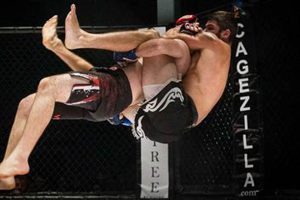
The contrast between a bodybuilder and a mixed martial arts fighter highlights the difference between prioritizing aesthetics and prioritizing functional strength and combat skills. A bodybuilder trains to maximize muscle hypertrophy and symmetry for competitive display, often focusing on isolated exercises. A mixed martial artist, on the other hand, develops strength and conditioning alongside a wide range of fighting disciplines, including striking, grappling, and submissions. While a bodybuilder might excel in weightlifting competitions, they would likely lack the diverse skillset and practical fighting ability necessary for success in the octagon.
Examining this juxtaposition illuminates the distinct objectives and training methodologies within each discipline. Historically, physical culture has encompassed a broad spectrum, from purely aesthetic pursuits to highly functional combat training. Modern bodybuilding emerged from this spectrum, emphasizing visual appeal above all else. Mixed martial arts, while drawing upon various historical combat traditions, represents a relatively recent evolution in combative sports, demanding a more versatile and pragmatic approach to physical development. The exploration of these differing approaches offers valuable insights into the diverse ways humans develop and utilize their physical capabilities.
This fundamental difference underpins a deeper discussion regarding strength, athleticism, and the diverse goals individuals pursue through physical training. Further exploration will delve into specific training regimens, the physiological adaptations each discipline necessitates, and the relative advantages and disadvantages inherent in each approach.
Tips for Understanding the Bodybuilder vs. MMA Fighter Dynamic
The following offers practical insights into the contrasting priorities and training methodologies that distinguish bodybuilders from mixed martial arts fighters.
Tip 1: Recognize Different Priorities: Bodybuilding prioritizes physique, focusing on muscle size, symmetry, and definition. MMA prioritizes effective fighting, emphasizing strength, conditioning, and combat skills.
Tip 2: Consider Training Modalities: Bodybuilding emphasizes isolated exercises and progressive overload to maximize hypertrophy. MMA training incorporates diverse disciplines, such as striking, grappling, and wrestling, alongside strength and conditioning.
Tip 3: Evaluate Functional Strength vs. Aesthetic Strength: While bodybuilders may possess impressive absolute strength, MMA fighters develop functional strength applicable to dynamic movements and resisting external forces.
Tip 4: Analyze Diet and Nutrition: Bodybuilders often follow strict diets to manipulate body composition, sometimes prioritizing aesthetics over optimal performance. MMA fighters prioritize fueling performance and recovery, focusing on nutrient timing and hydration.
Tip 5: Understand the Role of Cardiovascular Fitness: Bodybuilding training often involves limited cardiovascular exercise. MMA fighting requires high levels of cardiovascular endurance to sustain intense physical exertion over multiple rounds.
Tip 6: Acknowledge the Importance of Skill Acquisition: Bodybuilding competitions judge physique. MMA success depends on mastery of diverse fighting techniques and tactical application of those skills.
Tip 7: Appreciate the Different Measures of Success: Bodybuilding success is measured by aesthetic standards. MMA success is determined by victory in combat.
Understanding these distinctions provides a more nuanced appreciation of the diverse pathways individuals take to achieve their physical goals. Whether the goal is aesthetic perfection or combat prowess, dedicated training and disciplined effort remain paramount.
This comparison offers valuable lessons applicable to any pursuit of physical excellence, highlighting the importance of aligning training methodologies with specific objectives.
1. Aesthetics vs. Functionality

The dichotomy of aesthetics versus functionality encapsulates the core difference between a bodybuilder and a mixed martial arts fighter. Bodybuilding prioritizes aesthetics, sculpting physiques that conform to idealized standards of muscularity and symmetry. Muscle size, definition, and proportion take precedence, often exceeding the demands of practical application. This pursuit of the visually ideal often leads to training regimens emphasizing isolated exercises targeting specific muscle groups. While impressive visually, the resulting hypertrophy may not translate directly into functional strength or athletic performance outside the bodybuilding context. Consider a bodybuilders potentially limited range of motion in certain joints due to extreme muscle development. This prioritization of form over function can contrast sharply with the demands of a combat sport.
Conversely, functionality reigns supreme in mixed martial arts. A fighters training prioritizes developing strength and conditioning applicable to dynamic movements, resisting external forces, and delivering powerful strikes. While muscle development contributes to a fighter’s overall power and resilience, it remains a means to an end, subservient to the ultimate goal of effective combat. Exercises often involve compound movements engaging multiple muscle groups, mimicking the complex physical demands of fighting. Flexibility, agility, and cardiovascular endurance are crucial components often neglected in bodybuilding’s pursuit of maximal hypertrophy. Consider a fighter’s need for fluid, powerful movement compared to a bodybuilder’s static poses. This prioritization of function over form is reflected in the diverse training methodologies employed by MMA fighters, encompassing striking, grappling, and submissions.
The contrast between aesthetics and functionality provides a crucial lens for understanding the differing objectives and training methodologies of bodybuilders and MMA fighters. While bodybuilding values visual presentation, MMA demands practical application. Recognizing this distinction offers valuable insight into the diverse ways individuals approach physical development and the trade-offs inherent in prioritizing one aspect over another. This understanding underscores the importance of aligning training with specific goals, whether pursuing peak physical aesthetics or optimal functional performance.
2. Isolated vs. Compound Movements

The distinction between isolated and compound movements reveals a fundamental difference in the training philosophies of bodybuilders and mixed martial arts fighters. Bodybuilders frequently utilize isolated exercises, focusing on individual muscles to maximize hypertrophy. Bicep curls, leg extensions, and triceps pushdowns exemplify this approach, isolating specific muscle groups to stimulate growth and achieve the desired aesthetic. This focus on individual muscles allows for targeted development and sculpting of the physique, aligning with bodybuilding’s emphasis on visual presentation. However, this specialization can lead to imbalances in functional strength and limit the development of coordinated, multi-joint movements essential for athletic performance outside of posing.
In contrast, mixed martial arts fighters prioritize compound movements that engage multiple muscle groups simultaneously. Squats, deadlifts, overhead presses, and pull-ups are staples of their training, developing functional strength applicable to dynamic, real-world scenarios. These movements mirror the complex physical demands of combat, enhancing power generation, coordination, and overall athleticism. Consider the explosive power generated in a takedown, derived from the coordinated engagement of multiple muscle groups. This emphasis on compound movements contributes to the development of a more integrated and adaptable physique, crucial for the unpredictable nature of fighting. While compound movements contribute to muscle growth, the primary focus remains on enhancing functional strength and power rather than isolated muscle hypertrophy.
The contrasting approaches to movement selection reflect the divergent goals of bodybuilding and mixed martial arts. Bodybuilding prioritizes aesthetic development through isolated muscle hypertrophy, while mixed martial arts prioritizes functional strength and coordinated movement essential for combat. This distinction highlights the importance of aligning training methodologies with specific objectives, emphasizing the trade-offs inherent in prioritizing isolated aesthetics versus integrated functionality. Understanding these differences provides valuable insight into the diverse pathways individuals take to achieve their physical goals, emphasizing the importance of tailored training approaches.
3. Hypertrophy vs. Skill Development

The juxtaposition of hypertrophy and skill development illuminates a core distinction between the objectives of bodybuilders and mixed martial arts fighters. While both disciplines require dedication and rigorous training, their contrasting priorities shape their respective approaches to physical development. Bodybuilding prioritizes maximizing muscle growth (hypertrophy), whereas mixed martial arts emphasizes the acquisition and refinement of combat skills. This fundamental difference influences training methodologies, performance metrics, and the overall physical attributes of individuals within each discipline.
- Muscle Mass vs. Functional Proficiency
Bodybuilders dedicate significant effort to increasing muscle mass, often prioritizing size and symmetry over practical application. This pursuit of maximal hypertrophy can lead to impressive physiques but may not translate directly into functional strength or athletic performance outside of the bodybuilding context. MMA fighters, conversely, prioritize developing functional strength and proficiency in diverse combat skills. While muscle mass contributes to power and resilience, it remains secondary to the ability to execute techniques effectively, react dynamically to opponents, and maintain endurance throughout a fight.
- Isolated Training vs. Integrated Training
Bodybuilding training often involves isolated exercises targeting specific muscle groups to maximize hypertrophy. This approach allows for precise sculpting of the physique but may neglect the development of coordinated movements essential for complex physical tasks. MMA fighters, on the other hand, engage in integrated training that combines strength and conditioning with the practice of striking, grappling, and submissions. This holistic approach develops functional strength, coordination, and the ability to apply force effectively in dynamic combat scenarios.
- Static Posing vs. Dynamic Performance
Bodybuilding culminates in static poses designed to showcase muscular development and symmetry. Success is determined by adherence to aesthetic standards judged during competitions. MMA, however, demands dynamic performance under pressure. Fighters are evaluated based on their ability to execute techniques effectively, adapt to changing circumstances, and ultimately, achieve victory in combat. This emphasis on dynamic performance necessitates a different type of physical development than the static displays of bodybuilding.
- Aesthetic Goals vs. Combat Objectives
Ultimately, the contrasting priorities of hypertrophy and skill development stem from the differing goals of bodybuilding and mixed martial arts. Bodybuilding aims to achieve a specific aesthetic ideal, prioritizing muscle size, symmetry, and definition. MMA, on the other hand, aims to develop effective combat skills, prioritizing functionality, adaptability, and the ability to overcome opponents in a dynamic and unpredictable environment.
The distinction between hypertrophy and skill development underscores the diverse ways individuals approach physical training. While bodybuilding prioritizes maximizing muscle growth for aesthetic purposes, MMA emphasizes developing the skills and functional strength necessary for effective combat. This fundamental difference shapes not only their training methodologies but also their definitions of success and the overall development of their physical attributes. Examining this contrast offers valuable insight into the diverse pathways individuals take to achieve their physical goals, highlighting the importance of aligning training methodologies with specific objectives.
4. Posing vs. Combat

The contrast between posing and combat encapsulates the fundamental difference in objectives between bodybuilding and mixed martial arts. Posing, the culmination of a bodybuilder’s efforts, serves as a static display of meticulously sculpted musculature. Competitions emphasize symmetry, definition, and size, judged according to stringent aesthetic standards. A bodybuilder’s training revolves around achieving this visual ideal, often prioritizing isolated exercises and specific dietary regimens designed to maximize muscle hypertrophy and minimize body fat. This focus on static presentation, while demanding discipline and dedication, contrasts sharply with the dynamic and unpredictable nature of combat.
Combat, the essence of mixed martial arts, demands functional strength, agility, and a diverse skill set applicable to dynamic, high-pressure situations. Victory depends not on static poses but on the effective execution of techniques, strategic decision-making, and the ability to adapt to an opponent’s actions. Training for combat necessitates a holistic approach encompassing strength and conditioning, striking, grappling, and submissions. Consider a boxer’s footwork and head movement, a wrestler’s takedown, or a jiu-jitsu practitioner’s submission holdnone of these crucial skills find direct application in the static poses of bodybuilding. The physical demands of combat extend beyond muscle size and definition, requiring cardiovascular endurance, flexibility, and the ability to absorb and deliver impactful force. A bodybuilder’s focus on isolated muscle development may not translate effectively into the complex, integrated movements required for successful combat.
The distinction between posing and combat underscores the divergent paths taken by bodybuilders and MMA fighters in their pursuit of physical excellence. While bodybuilding emphasizes aesthetic presentation, MMA prioritizes functional performance in a dynamic and often unpredictable environment. This fundamental difference shapes their training methodologies, performance metrics, and ultimately, the development of their physical attributes. Understanding this contrast provides valuable insight into the diverse ways individuals approach physical development and the trade-offs inherent in prioritizing static presentation versus dynamic performance. This distinction also highlights the importance of aligning training methodologies with specific objectives, whether pursuing peak physical aesthetics or achieving success in the demanding realm of combat sports.
5. Symmetry vs. Endurance

The comparison of symmetry versus endurance highlights a key divergence in priorities between bodybuilding and mixed martial arts. Bodybuilding emphasizes symmetry, a crucial aesthetic criterion in judging physique competitions. Achieving balanced muscle development across the body is paramount, often requiring specialized training regimens targeting specific muscle groups. This pursuit of symmetrical proportions can necessitate prioritizing isolated exercises and neglecting other aspects of physical development, such as cardiovascular endurance. Consider the meticulous attention dedicated to developing balanced pectoral muscles, potentially at the expense of training for sustained exertion. While aesthetically impressive, this prioritization of symmetry might limit overall functional capacity.
Conversely, endurance is paramount in mixed martial arts. Fighters must maintain high levels of cardiovascular and muscular endurance to withstand the intense physical demands of a prolonged fight. Training emphasizes sustained exertion, incorporating exercises like running, swimming, and interval training to develop the necessary stamina. Consider a fighters ability to maintain aggressive striking and grappling throughout a multi-round bout. While a degree of muscular symmetry contributes to overall athleticism, it holds less importance than the ability to endure and perform effectively over extended periods. A fighter’s physique, though often muscular, prioritizes function over form, reflecting the practical demands of combat.
The contrasting priorities of symmetry and endurance reflect the divergent goals of bodybuilding and mixed martial arts. Bodybuilding prioritizes visual aesthetics, with symmetry serving as a key judging criterion. Mixed martial arts prioritizes performance in combat, requiring high levels of endurance to sustain intense physical exertion. Understanding this distinction clarifies the different training methodologies and physical adaptations characteristic of each discipline. While a bodybuilder might excel in a posing competition, they might lack the stamina required for a prolonged fight. Conversely, while a fighter possesses the endurance to last multiple rounds, they might not achieve the same level of muscular symmetry prized in bodybuilding. This comparison ultimately highlights the importance of aligning training with specific objectives, whether pursuing aesthetic ideals or functional performance.
6. Size vs. Agility

The “size vs. agility” dynamic represents a crucial distinction between the physical attributes prioritized by bodybuilders and mixed martial arts fighters. Bodybuilding often prioritizes maximizing muscle mass, leading to significant increases in size. This hypertrophy, while visually impressive, can sometimes come at the expense of agility. Increased mass can lead to reduced speed, flexibility, and quickness of movement. Consider a bodybuilder’s potential difficulty executing rapid changes in direction or navigating confined spaces compared to a more agile athlete. While advantageous in weightlifting competitions, excessive size can become a liability in combat sports where speed and agility are essential.
Mixed martial arts, conversely, necessitates a balance between size and agility. While a certain degree of muscle mass contributes to power and resilience, excessive bulk can hinder speed and responsiveness. Fighters prioritize functional strengthstrength applicable to dynamic movementsover sheer size. Agility allows fighters to evade strikes, execute takedowns, and transition smoothly between different fighting positions. Consider a fighter’s ability to quickly slip a punch and counter with a takedowna maneuver requiring both strength and agility. This emphasis on agility is reflected in training regimens that incorporate plyometrics, flexibility exercises, and dynamic movement drills. Real-world examples abound: smaller, more agile fighters often overcome significantly larger opponents through superior speed, footwork, and technical proficiency. The effectiveness of smaller fighters underscores the importance of agility in combat sports.
The “size vs. agility” dichotomy highlights the trade-offs inherent in prioritizing one physical attribute over another. While size contributes to strength and power, excessive bulk can hinder agility and speed, crucial components of success in combat sports. Mixed martial arts demonstrates the importance of balancing these attributes, prioritizing functional strength and agility over sheer muscle mass. This understanding has practical significance not only for athletes but also for individuals pursuing general fitness goals. Recognizing the interplay between size and agility allows for more informed training decisions, optimizing physical development for specific objectives, whether pursuing peak athletic performance or overall functional fitness.
7. Weightlifting vs. Fighting
The comparison of “weightlifting vs. fighting” provides a practical framework for understanding the core distinctions between a bodybuilder and a mixed martial arts (MMA) fighter. While bodybuilding often utilizes weightlifting as a primary means of achieving hypertrophy, the objectives and applications of strength differ significantly between these two disciplines. Examining this contrast reveals how the pursuit of maximal strength in weightlifting diverges from the development of functional strength necessary for success in fighting, mirroring the broader distinction between bodybuilding and MMA.
- Specificity of Training
Weightlifting emphasizes lifting maximal weight in specific, controlled movements, such as the snatch, clean and jerk, and squat. These movements, while demanding exceptional strength and technique, have limited direct application in the dynamic and unpredictable environment of a fight. MMA fighters, conversely, train for a wide range of combat scenarios, requiring strength applicable to striking, grappling, and defending against attacks. Their training incorporates exercises that mimic the complex movements of fighting, prioritizing functional strength over maximal lifts in isolated movements.
- Range of Motion and Flexibility
Weightlifting often prioritizes strength within a limited range of motion, optimized for lifting maximal weight. Bodybuilders, similarly, may develop muscle hypertrophy that can restrict flexibility and range of motion in certain joints. This can limit their ability to execute the dynamic movements and rapid transitions required in MMA. Fighters, on the other hand, require a greater range of motion and flexibility to execute techniques effectively and avoid injury. Their training often incorporates stretching, mobility exercises, and movements that promote flexibility alongside strength development.
- Application of Force
Weightlifting focuses on generating maximal force against a static resistancethe barbell. Success is measured by the amount of weight lifted. Fighting, however, requires applying force dynamically against a resisting opponent. This necessitates not only strength but also speed, timing, and accuracy. A fighter must generate force explosively while maintaining balance and adapting to an opponent’s movements. Consider the difference between a deadlift and a punchboth require strength, but the latter demands precision, timing, and adaptability not present in the former.
- Endurance and Conditioning
Weightlifting competitions typically involve short bursts of maximal exertion with rest periods between lifts. Bodybuilders, similarly, often focus on shorter, high-intensity weight training sessions. MMA fighters, however, require significant cardiovascular and muscular endurance to sustain intense physical activity over multiple rounds. Their training incorporates extensive conditioning work, including running, swimming, and interval training, to develop the stamina necessary for prolonged combat.
The distinctions between weightlifting and fighting underscore the core differences between a bodybuilder and an MMA fighter. While weightlifting serves as a valuable tool for building muscle mass and strength, the specific application of that strength differs significantly between these disciplines. Bodybuilders prioritize maximal strength and hypertrophy for aesthetic purposes, while MMA fighters prioritize functional strength, agility, and endurance essential for success in combat. This comparison illuminates the importance of aligning training methodologies with specific objectives, highlighting the divergent paths taken by individuals pursuing aesthetic excellence versus practical fighting ability.
Frequently Asked Questions
This section addresses common inquiries regarding the distinctions between bodybuilders and mixed martial arts fighters, clarifying key differences in their training, physique, and overall capabilities.
Question 1: Could a bodybuilder transition to MMA?
While a bodybuilder possesses a foundation of strength, transitioning to MMA requires developing a diverse skill set encompassing striking, grappling, and submissions. Adapting to the dynamic nature of combat and acquiring the necessary technical proficiency demands significant training and time.
Question 2: Are bodybuilders stronger than MMA fighters?
Bodybuilders often demonstrate higher absolute strength in isolated lifts due to their focus on maximizing muscle hypertrophy. However, MMA fighters typically exhibit greater functional strength applicable to dynamic movements and resisting external forces encountered in combat.
Question 3: Do bodybuilders have an advantage in terms of size and power?
While increased size and muscle mass can contribute to power, excessive bulk can hinder speed, agility, and endurance, crucial factors in MMA. A fighter’s physique prioritizes functional strength and efficient movement over sheer size.
Question 4: Why don’t MMA fighters look like bodybuilders?
MMA fighters prioritize functional strength and endurance over maximizing muscle size for aesthetic purposes. Their training emphasizes diverse combat disciplines, resulting in a physique adapted for dynamic movement and sustained exertion rather than solely for visual presentation.
Question 5: Could an MMA fighter compete in bodybuilding?
While possessing a strong physique, an MMA fighter would need to shift training focus to prioritize muscle hypertrophy, symmetry, and definition required for bodybuilding competitions. This transition necessitates adopting different training methodologies and dietary regimens.
Question 6: What are the key physical attributes that differentiate bodybuilders and MMA fighters?
Key distinctions include a bodybuilder’s focus on size, symmetry, and muscle definition versus an MMA fighter’s emphasis on functional strength, agility, endurance, and combat skills. These differing priorities shape their respective training regimens and resulting physiques.
Understanding these distinctions clarifies the divergent paths taken by individuals pursuing bodybuilding versus mixed martial arts. Each discipline demands unique physical attributes and training methodologies aligned with specific objectives, whether prioritizing aesthetic presentation or functional performance in combat.
Further exploration might examine specific training programs, dietary considerations, and the physiological adaptations characteristic of each discipline.
Bodybuilder vs. MMA Fighter
The “bodybuilder vs. MMA fighter” comparison provides valuable insight into the diverse approaches to physical development. Analysis reveals distinct priorities: bodybuilding emphasizes aesthetic muscularity and symmetry, while mixed martial arts prioritizes functional strength, agility, and combat skills. These contrasting objectives dictate training methodologies, resulting in physiques adapted for specific purposesstatic presentation versus dynamic performance. Examining isolated versus compound movements, hypertrophy versus skill development, and posing versus combat further clarifies these divergent paths.
Ultimately, the “bodybuilder vs. MMA fighter” analysis underscores the importance of aligning training with individual goals. Whether pursuing aesthetic perfection or combat prowess, understanding the trade-offs inherent in prioritizing specific physical attributes informs effective training strategies. This exploration provides a framework for evaluating diverse approaches to physical development, empowering individuals to make informed decisions aligned with their objectives, extending beyond the competitive arena to encompass broader fitness pursuits.