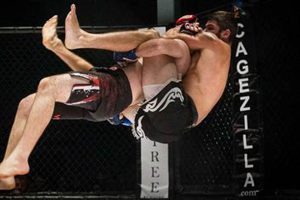
The path to becoming a mixed martial arts (MMA) competitor requires dedication, discipline, and a multifaceted approach. It involves developing proficiency in a range of martial arts disciplines, rigorous physical conditioning, and a deep understanding of fight strategy. For example, aspiring fighters often begin by specializing in a base style like wrestling, boxing, Brazilian Jiu-Jitsu, or Muay Thai, before broadening their skill set to encompass other combat forms.
Successfully navigating this demanding journey can lead to a rewarding career, offering opportunities for personal growth, physical prowess, and competitive achievement. Historically, MMA has evolved from its more brutal, less regulated origins into a complex and nuanced sport with established weight classes, unified rules, and a global following. This evolution has legitimized the profession and created pathways for aspiring athletes to pursue it seriously.
This article will delve into the key steps involved in becoming an MMA fighter, covering topics such as choosing the right gym and coach, developing a comprehensive training regimen, understanding the importance of nutrition and recovery, and navigating the amateur and professional circuits.
Tips for Aspiring MMA Fighters
The journey to becoming a successful mixed martial artist requires dedication, discipline, and a strategic approach. The following tips provide guidance for individuals considering this challenging yet rewarding career path.
Tip 1: Find a Reputable Gym and Coach: Selecting the right training environment is crucial. Seek out a gym with experienced coaches who specialize in MMA and have a proven track record of developing successful fighters. Observe classes, speak with current students, and research the gym’s reputation before committing.
Tip 2: Develop a Strong Foundation in Multiple Martial Arts Disciplines: MMA requires proficiency in striking, grappling, and wrestling. Focus on building a solid base in a core discipline while simultaneously cross-training in other complementary styles. This diversified skill set is essential for well-roundedness and adaptability.
Tip 3: Prioritize Strength and Conditioning: Physical fitness is paramount. Implement a rigorous strength and conditioning program tailored to the demands of MMA. Focus on building explosive power, muscular endurance, and cardiovascular fitness.
Tip 4: Focus on Nutrition and Recovery: Proper nutrition and adequate rest are essential for optimizing performance and preventing injuries. Consult with a nutritionist to develop a personalized meal plan and prioritize sleep and active recovery methods.
Tip 5: Gain Amateur Experience: Competing in amateur bouts provides invaluable experience and allows athletes to hone their skills in a controlled environment. This stage is crucial for developing fight IQ, building confidence, and identifying areas for improvement.
Tip 6: Study Fight Footage: Analyzing professional and amateur fights can offer valuable insights into strategies, techniques, and opponent tendencies. Regular film study can accelerate the learning process and improve tactical awareness.
Tip 7: Be Patient and Persistent: Progress in MMA takes time and dedication. Be prepared for setbacks and challenges along the way. Maintain a consistent training schedule, remain focused on long-term goals, and celebrate small victories.
By adhering to these guidelines, aspiring fighters can significantly increase their chances of success in this demanding and rewarding sport. Consistent effort, dedication, and a strategic approach are key to navigating the challenging path to becoming a professional MMA fighter.
This foundation of knowledge and preparation sets the stage for a successful and fulfilling career in mixed martial arts. The final section will discuss the transition into the professional ranks and long-term career management.
1. Disciplined Training

Disciplined training forms the bedrock of a successful MMA career. It represents the consistent, structured, and purposeful effort required to develop the multifaceted skill set demanded by the sport. This encompasses not only the physical aspects of training, such as honing striking and grappling techniques, but also the mental discipline required to maintain focus, push through fatigue, and adhere to a rigorous schedule. For example, fighters like Georges St-Pierre, known for his exceptional work ethic, exemplify the power of disciplined training. His dedication to constant improvement, even at the peak of his career, contributed significantly to his dominance in the sport.
The connection between disciplined training and becoming a successful MMA fighter is a direct causal relationship. Consistent engagement in structured training leads to the development of refined technique, improved physical conditioning, and heightened mental resilience. Without this structured approach, progress is haphazard and unlikely to yield the results required to compete at a high level. Consider the contrast between a fighter who diligently follows a structured training plan and one who trains sporadically. The former will develop a more comprehensive skill set, superior conditioning, and a stronger mental game, leading to a demonstrable competitive advantage.
In conclusion, disciplined training is not merely a component of becoming an MMA fighter; it is the foundational element upon which all other aspects are built. It requires unwavering commitment, sacrifice, and a deep understanding of the sport’s demands. While natural talent can play a role, it is disciplined training that ultimately shapes potential into achievement within the demanding arena of mixed martial arts.
2. Skill Development

Skill development is paramount in the pursuit of becoming a mixed martial artist. It represents the progressive acquisition and refinement of techniques essential for competitive success. This encompasses a broad spectrum of abilities, from striking and grappling to takedowns, submissions, and defensive maneuvers. A well-rounded skill set is crucial for adapting to diverse fighting styles and exploiting opponent weaknesses.
- Striking Proficiency:
Developing effective striking techniques, encompassing punches, kicks, elbows, and knees, is fundamental. Precision, power, and timing are key components. Consider the devastating striking of Conor McGregor, whose precise left hand has led to numerous knockout victories. Developing such proficiency requires dedicated practice, including pad work, sparring, and drilling specific combinations. This translates directly into offensive capability within the octagon.
- Grappling Mastery:
Mastery of grappling techniques, such as takedowns, control positions, and submissions, is equally vital. Wrestlers like Khabib Nurmagomedov exemplify the effectiveness of dominant grappling in controlling and neutralizing opponents. This requires extensive training in wrestling, judo, and Brazilian Jiu-Jitsu, focusing on leverage, timing, and positional awareness. Proficient grappling dictates the flow of the fight and creates opportunities for submissions or ground-and-pound.
- Defensive Prowess:
A strong defense is as crucial as a potent offense. Effective blocking, head movement, and takedown defense minimize damage and prevent opponents from dictating the fight. Fighters like Floyd Mayweather, renowned for his defensive skills in boxing, demonstrate the importance of minimizing damage. In MMA, this translates to avoiding knockouts, minimizing submission attempts, and controlling the pace of the fight.
- Adaptability and Fight IQ:
Adaptability and fight IQ represent the ability to analyze opponents, adjust strategies mid-fight, and capitalize on opportunities. This involves recognizing patterns in opponent behavior, anticipating their next move, and reacting accordingly. Fighters like Demetrious Johnson, known for his adaptability and strategic brilliance, exemplify the importance of in-fight adjustments. This mental aspect of skill development is crucial for exploiting weaknesses and maximizing the effectiveness of technical skills.
These interconnected facets of skill development culminate in a well-rounded and adaptable fighter. The combination of striking proficiency, grappling mastery, defensive prowess, and fight IQ determines a fighter’s effectiveness in the octagon. Consistent and dedicated training across these areas is essential for progressing through the ranks and achieving success in the demanding world of mixed martial arts.
3. Physical Conditioning

Physical conditioning represents a cornerstone of success in mixed martial arts. It encompasses the development of several interconnected physical attributes crucial for withstanding the rigors of training and competition. Strength, speed, endurance, and flexibility are not merely desirable qualities; they are fundamental requirements for achieving and maintaining a competitive edge. The absence of robust physical conditioning significantly limits a fighter’s potential, increasing vulnerability to injury and diminishing performance.
The relationship between physical conditioning and success in MMA is a direct causal link. Improved strength translates to greater power in strikes and takedowns. Enhanced speed allows for faster reaction times and more effective counterattacks. Elevated endurance enables fighters to maintain a high pace throughout a bout, while flexibility reduces the risk of injury and improves range of motion. Consider the impressive physique and conditioning of fighters like Francis Ngannou, whose explosive power is a direct result of dedicated strength and conditioning work. This translates directly into knockout power within the cage. Conversely, a fighter lacking in these areas will fatigue quickly, become more susceptible to strikes, and be less effective in executing techniques.
Practical application of this understanding involves implementing a structured training regimen that targets all facets of physical conditioning. This includes strength training, cardiovascular conditioning, plyometrics for explosive power, and flexibility exercises. The program should be tailored to the specific demands of MMA, focusing on functional movements that translate directly into improved performance in the cage. Furthermore, monitoring progress and adjusting training intensity are essential for optimizing results and preventing overtraining. Ultimately, a fighter’s dedication to physical conditioning is a crucial determinant of their potential for success in the demanding world of mixed martial arts. It provides the physical foundation upon which technical skill and tactical acumen are built, ultimately dictating a fighter’s ability to compete at the highest level.
4. Nutritional Strategy
Nutritional strategy plays a critical role in the development and success of a mixed martial artist. It provides the fuel for rigorous training, supports recovery, and optimizes performance. A well-planned nutritional approach is not merely a supplementary aspect of training but an integral component that directly influences a fighter’s ability to compete at their peak. Ignoring nutritional needs can lead to decreased energy levels, impaired recovery, increased susceptibility to injury, and ultimately, compromised performance.
- Macronutrient Balance:
A balanced intake of macronutrientsproteins, carbohydrates, and fatsis fundamental. Protein provides the building blocks for muscle repair and growth, crucial for recovery after intense training. Carbohydrates supply the primary energy source for training, while healthy fats support hormone production and overall bodily functions. A fighter’s macronutrient ratios should be tailored to individual needs and training intensity. For example, fighters engaged in high-volume training may require a higher carbohydrate intake than those focused on strength development.
- Micronutrient Intake:
Micronutrients, including vitamins and minerals, play essential roles in various bodily functions, supporting energy production, immune system function, and overall health. Deficiencies in key micronutrients can negatively impact performance and recovery. Ensuring adequate intake through a balanced diet rich in fruits, vegetables, and whole grains, or through supplementation when necessary, is crucial for maintaining optimal health and performance.
- Hydration:
Maintaining optimal hydration is crucial for performance and recovery. Dehydration can lead to decreased energy levels, muscle cramps, and impaired cognitive function. Fighters should prioritize consistent fluid intake throughout the day, especially during and after training sessions. Weighing in before and after training can help assess fluid loss and guide rehydration strategies. Proper hydration supports optimal physiological function, essential for intense training and competition.
- Weight Management:
Effective weight management is essential for competing in a specific weight class. Manipulating weight through unhealthy methods can negatively impact performance and overall health. A strategic approach involves gradual weight loss or gain through a balanced diet and training program. This ensures fighters maintain optimal strength and energy levels while competing in their designated weight category.
These interconnected facets of nutritional strategy culminate in a holistic approach to fueling performance and recovery. By prioritizing macronutrient balance, micronutrient intake, hydration, and weight management, fighters provide their bodies with the necessary resources to train effectively, recover efficiently, and perform optimally. A comprehensive nutritional strategy is not merely a dietary guideline; it is a performance-enhancing tool that contributes directly to a fighter’s overall success in the demanding world of mixed martial arts.
5. Professional Coaching
Professional coaching constitutes a critical element in the development of a successful mixed martial artist. It provides expert guidance, structured training, and personalized feedback essential for maximizing potential. A skilled coach offers not only technical expertise but also strategic insights, motivational support, and objective assessment, all of which contribute significantly to a fighter’s growth and competitive success. Attempting to navigate the complexities of MMA training without professional guidance often leads to inefficient training practices, skill plateaus, and increased risk of injury.
- Technical Refinement:
Coaches play a vital role in refining a fighter’s technique across various disciplines. They possess the experience and expertise to identify technical flaws, provide corrective instruction, and develop personalized training plans that address individual weaknesses. For example, a coach might analyze a fighter’s striking form, identify inefficiencies in their footwork or hand placement, and prescribe drills to improve their technique. This targeted approach accelerates skill development and maximizes the effectiveness of training.
- Strategic Development:
Coaches contribute significantly to the development of fight strategies. They analyze a fighter’s strengths and weaknesses, study opponent footage, and devise game plans tailored to specific matchups. This involves identifying opportunities for exploiting opponent vulnerabilities, developing counter strategies, and preparing for various scenarios within the fight. For instance, a coach might recognize an opponent’s susceptibility to leg kicks and incorporate a leg kick-heavy game plan into the fighter’s training. This strategic approach maximizes the likelihood of success within the octagon.
- Mental Conditioning:
Coaches provide essential mental conditioning support. They help fighters develop mental toughness, manage pre-fight anxiety, maintain focus under pressure, and build confidence. This can involve visualization techniques, positive self-talk, and strategies for managing stress. A coach’s motivational guidance and unwavering support are invaluable during challenging training periods and high-pressure competitions. This mental fortitude is crucial for overcoming adversity and performing optimally under duress.
- Performance Optimization:
Coaches play a pivotal role in optimizing a fighter’s overall performance. They track progress, assess training effectiveness, and make adjustments to training plans based on individual needs and goals. This involves monitoring factors such as strength gains, skill development, and cardiovascular improvement. Coaches also provide feedback on performance in sparring sessions and competitions, identifying areas for improvement and guiding further development. This ongoing assessment and adjustment are essential for maximizing potential and achieving peak performance.
These facets of professional coaching demonstrate its integral role in the development of a successful MMA fighter. The combination of technical refinement, strategic development, mental conditioning, and performance optimization, facilitated by a skilled coach, creates a synergistic effect that accelerates growth and maximizes competitive potential. Without professional guidance, fighters often struggle to reach their full potential, highlighting the critical role of coaching in navigating the complexities of mixed martial arts.
6. Mental Fortitude
Mental fortitude represents a crucial element in the demanding world of mixed martial arts. It encompasses the psychological and emotional resilience required to navigate the challenges of training, competition, and the inherent pressures of the sport. While physical prowess and technical skill are essential, mental fortitude provides the foundation upon which these attributes are built and effectively utilized. Without a strong mental game, even the most physically gifted athletes may struggle to reach their full potential.
- Discipline and Focus:
Discipline and focus are paramount in the pursuit of MMA excellence. They represent the ability to maintain consistent training habits, adhere to strict dietary regimens, and remain focused on long-term goals despite setbacks and distractions. This unwavering commitment is essential for navigating the grueling training process and maintaining motivation during challenging periods. Consider the disciplined approach of fighters like Jon Jones, whose dedicated training regimen propelled him to championship status. This unwavering focus translates directly into consistent progress and competitive success.
- Resilience and Perseverance:
Resilience and perseverance are essential for overcoming adversity within the cage and beyond. MMA is a sport characterized by intense physical and mental demands, requiring fighters to endure grueling training sessions, recover from injuries, and bounce back from defeats. This resilience is exemplified by fighters like Rose Namajunas, who overcame personal challenges and setbacks to achieve championship status. The ability to persevere through adversity is a defining characteristic of successful MMA fighters.
- Emotional Control:
Emotional control plays a vital role in maintaining composure under pressure. The high-stakes environment of MMA competition can evoke intense emotions, including fear, anxiety, and anger. Maintaining emotional equilibrium is crucial for making rational decisions, executing strategies effectively, and avoiding impulsive mistakes. Fighters like Georges St-Pierre, known for his composure under pressure, demonstrate the importance of emotional regulation in high-stakes situations. This emotional control translates into enhanced decision-making and improved performance.
- Self-Belief and Confidence:
Self-belief and confidence are essential for success in MMA. Believing in one’s abilities, visualizing success, and maintaining a positive mindset are crucial for overcoming challenges and performing optimally. This confidence is often evident in fighters like Conor McGregor, whose unwavering self-belief has contributed to his meteoric rise in the sport. This self-assuredness translates into a competitive edge, influencing both training and performance within the octagon.
These interconnected facets of mental fortitude form the psychological bedrock of a successful MMA fighter. Discipline and focus provide the framework for consistent training, while resilience and perseverance enable fighters to overcome obstacles. Emotional control ensures rational decision-making under pressure, and self-belief fosters the confidence necessary for achieving peak performance. These mental attributes, combined with physical prowess and technical skill, create a complete fighter capable of thriving in the demanding world of mixed martial arts. Cultivating these mental strengths is not merely advantageous; it is essential for reaching the pinnacle of the sport.
7. Competitive Experience

Competitive experience represents the culmination of training, preparation, and skill development in the journey of becoming a mixed martial artist. It provides the proving ground where theoretical knowledge is tested, technical skills are refined under pressure, and fight IQ is honed through real-world application. Stepping into the cage or ring offers invaluable lessons that cannot be replicated in the training room, shaping fighters into more complete and adaptable competitors. Without consistent competitive experience, development stagnates, and the true potential of a fighter remains unrealized.
- Amateur Competition:
Amateur competition serves as the initial proving ground for aspiring MMA fighters. It provides a platform for gaining experience, testing skills against diverse opponents, and adapting to the pressures of live competition. This foundational stage allows fighters to build a record, identify weaknesses, and refine their fighting style before transitioning to the professional ranks. Think of amateur bouts as essential stepping stones, each contest contributing to the development of a more well-rounded and experienced competitor. This stage is crucial for building confidence, developing fight IQ, and understanding the nuances of competition.
- Skill Refinement Under Pressure:
The pressure of competition reveals the true measure of a fighter’s skill. Techniques honed in the training room are tested against actively resisting opponents, forcing fighters to adapt and improvise. This real-world application exposes technical flaws, highlights areas for improvement, and accelerates the learning process. For example, a fighter might discover that their takedown defense, seemingly effective in training, falters under the pressure of a determined opponent. This immediate feedback is invaluable for identifying weaknesses and refining techniques for increased effectiveness.
- Development of Fight IQ:
Fight IQ, the ability to make sound decisions and adapt strategies mid-fight, is honed through competitive experience. Facing diverse opponents and unpredictable situations forces fighters to think critically, analyze opponent tendencies, and adjust their game plan accordingly. This in-cage experience develops a fighter’s ability to read opponents, anticipate their moves, and capitalize on opportunities. Consider a fighter who, after being taken down repeatedly, adjusts their strategy to utilize more effective takedown defense and implement a striking-heavy game plan. This adaptability is a hallmark of high fight IQ and is developed through consistent competitive exposure.
- Building a Professional Record:
Building a strong amateur record is essential for attracting the attention of promoters, sponsors, and professional organizations. Consistent wins demonstrate potential and marketability, paving the way for a transition to the professional ranks. This record serves as a tangible representation of a fighter’s skill and dedication, providing evidence of their competitive prowess. A successful amateur career lays the groundwork for a professional career, creating opportunities for greater exposure, higher-level competition, and potential career advancement within the sport.
These facets of competitive experience are integral to the development of a well-rounded mixed martial artist. From the foundational stages of amateur competition to the refinement of skills under pressure and the development of fight IQ, each bout contributes to a fighter’s growth and evolution. This practical application of training and preparation is not merely beneficial; it is essential for reaching the highest levels of competition and achieving lasting success in the demanding world of mixed martial arts. Competitive experience bridges the gap between potential and achievement, transforming aspiring fighters into seasoned competitors capable of thriving in the dynamic and challenging arena of professional MMA.
Frequently Asked Questions about Becoming an MMA Fighter
This section addresses common inquiries regarding the path to becoming a mixed martial artist, providing concise and informative responses to clarify potential uncertainties and misconceptions.
Question 1: What is the optimal age to begin training for MMA?
While individuals can commence training at various ages, beginning in adolescence or early adulthood often allows for optimal physical development and skill acquisition. However, successful fighters have embarked on their journeys at later ages, demonstrating that dedication and disciplined training can yield results regardless of starting point. The most important factor is consistent effort and a commitment to continuous improvement.
Question 2: How much does MMA training typically cost?
The cost of MMA training varies significantly depending on factors such as gym location, coaching expertise, and training frequency. Potential costs include gym memberships, private coaching fees, equipment expenses, and travel expenses for competitions. Thorough research and comparison of local gyms are recommended to determine the most suitable and cost-effective training options.
Question 3: How long does it typically take to become a professional MMA fighter?
The timeframe for transitioning to professional MMA varies based on individual dedication, training consistency, and learning aptitude. Several years of dedicated training, encompassing skill development in multiple disciplines and consistent amateur competition experience, are typically required before transitioning to the professional level.
Question 4: What are the most important physical attributes for an MMA fighter?
Essential physical attributes for MMA fighters include strength, speed, endurance, flexibility, and power. A well-rounded training program should address each of these areas to develop a balanced and effective skill set. Furthermore, optimizing physical conditioning reduces the risk of injury and enhances overall performance.
Question 5: What are the common injuries associated with MMA training and competition?
MMA carries inherent risks of injury, commonly including sprains, strains, fractures, contusions, and concussions. Adhering to proper training techniques, utilizing appropriate safety equipment, and prioritizing rest and recovery are crucial for mitigating these risks. Consulting with medical professionals and following their guidance is essential for injury prevention and management.
Question 6: How can one find a reputable MMA gym and coach?
Finding a reputable gym and coach requires thorough research and consideration. Visiting gyms, observing training sessions, speaking with current students, and researching a coach’s credentials and experience are crucial steps. Seeking recommendations from experienced fighters or reputable sources within the MMA community can also provide valuable insights.
These responses provide a foundational understanding of the path to becoming an MMA fighter. Diligent research, realistic expectations, and unwavering commitment are crucial for navigating this demanding yet rewarding journey.
The subsequent section will offer a concluding perspective on the overall process and long-term considerations for aspiring MMA fighters.
Conclusion
The journey toward becoming a mixed martial artist requires a multifaceted approach encompassing rigorous physical conditioning, comprehensive skill development, and unwavering mental fortitude. Aspiring fighters must prioritize disciplined training, seek expert coaching, and develop a strategic approach to nutrition and recovery. Competitive experience, starting at the amateur level, is crucial for honing skills, developing fight IQ, and building a foundation for a potential professional career. Each element, from technical proficiency to strategic thinking and mental resilience, plays a vital role in shaping a complete fighter capable of navigating the complexities of this demanding sport. This undertaking demands dedication, perseverance, and a realistic understanding of the challenges involved.
The path to becoming a successful MMA fighter is not for the faint of heart. It requires years of dedicated effort, sacrifice, and a relentless pursuit of self-improvement. However, for individuals with the passion, discipline, and unwavering commitment, the rewards can be significant. Success in this arena requires not only physical prowess but also mental resilience, strategic thinking, and a deep understanding of the sport’s intricacies. Those willing to embrace the challenge and embark on this demanding journey stand to gain not only physical strength and technical skill but also valuable life lessons in discipline, perseverance, and the pursuit of excellence. The pursuit of becoming a mixed martial artist is a transformative journey, shaping not only athletes but individuals.