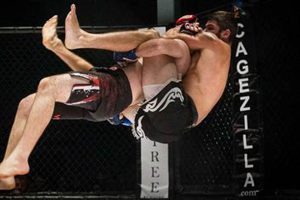
Mixed martial arts competitions held within Japan represent a significant aspect of the global combat sports landscape. From early vale tudo events to modern, regulated promotions like Pride Fighting Championships, Rizin Fighting Federation, and Pancrase, the nation has cultivated a unique and influential fighting culture. Japanese events often showcase a blend of striking, grappling, and submission techniques, featuring both domestic talent and international competitors.
The Japanese contribution to mixed martial arts is substantial, fostering innovation in fighting styles and event production. The emphasis on respect and sportsmanship, combined with a passionate fan base, has created a distinct atmosphere. These events serve as a platform for athletes to gain international recognition and contribute to the evolution of mixed martial arts. Furthermore, the historical context of martial arts in Japan, including disciplines like judo, karate, and sumo, has enriched the development of mixed martial arts within the country.
This exploration will delve further into specific aspects of Japanese mixed martial arts, covering topics such as prominent organizations, notable fighters, training methodologies, and the cultural impact of these competitions on Japanese society.
Tips for Attending Mixed Martial Arts Events in Japan
Experiencing live mixed martial arts in Japan offers a unique opportunity to witness a dynamic and culturally significant sporting event. These tips provide guidance for attendees to maximize their enjoyment and understanding of these competitions.
Tip 1: Secure Tickets in Advance: Popular events often sell out quickly. Purchasing tickets through official vendors as early as possible is recommended.
Tip 2: Research the Venue and Transportation: Familiarize oneself with the event location and available transportation options. Public transport is often the most efficient method of travel in major Japanese cities.
Tip 3: Understand Japanese Event Etiquette: While cheering is encouraged, excessive displays or disruptive behavior are generally frowned upon. Observe the reactions of other attendees to gauge appropriate behavior.
Tip 4: Learn Basic Japanese Phrases: While English proficiency varies, knowing basic Japanese greetings and phrases can enhance interactions with locals and event staff.
Tip 5: Explore the Local Culinary Scene: Take advantage of the opportunity to sample local cuisine before or after the event. Japan offers a diverse range of dining experiences.
Tip 6: Research the Fighters and Organizations: Understanding the background and fighting styles of participating athletes can enrich the viewing experience. Researching the history and significance of the promoting organization also provides valuable context.
Tip 7: Consider Attending Smaller Events: While major promotions offer spectacle, smaller events can provide a more intimate and accessible experience, showcasing up-and-coming talent.
By following these suggestions, attendees can fully immerse themselves in the electrifying atmosphere of Japanese mixed martial arts and gain a deeper appreciation for the sport and its cultural context.
These practical tips provide a foundation for experiencing the excitement of mixed martial arts in Japan. The following conclusion will summarize the key elements discussed and reinforce the significance of Japanese mixed martial arts within the global combat sports landscape.
1. Historical Significance

The historical significance of mixed martial arts in Japan is deeply intertwined with the nation’s rich martial arts traditions and its role in the development of modern combat sports. Understanding this historical context provides crucial insights into the evolution, cultural impact, and global prominence of Japanese MMA.
- Early Vale Tudo and Pro Wrestling Influences
Precursors to modern MMA, such as vale tudo and Japanese pro wrestling, laid the groundwork for the development of hybrid fighting styles. These early competitions, often featuring less restrictive rulesets, allowed for experimentation and the blending of various martial arts disciplines. This experimentation played a significant role in shaping the foundation of modern Japanese MMA.
- The Rise of Shooto
Shooto, established in 1985, is widely recognized as one of the earliest organized MMA promotions. Its focus on safety and the incorporation of weight classes helped legitimize the sport and pave the way for future organizations. Shooto’s emphasis on technical proficiency and its influence on the development of grappling techniques solidified its place in MMA history.
- The Pride Fighting Championships Era
Pride Fighting Championships, active from 1997 to 2007, became a global phenomenon, attracting international talent and showcasing some of the most memorable fights in MMA history. Pride’s unique ruleset, grand production, and emphasis on showmanship contributed to its widespread popularity and significantly impacted the evolution of the sport.
- The Modern Era and Rizin Fighting Federation
Following Pride’s closure, organizations like Rizin Fighting Federation emerged, carrying the torch of Japanese MMA and continuing to innovate within the sport. Rizin’s emphasis on striking, its open-weight tournaments, and its embrace of both traditional martial arts and modern MMA techniques have solidified its position as a leading force in the contemporary landscape.
These historical developments demonstrate Japan’s pivotal role in shaping the landscape of mixed martial arts. From the early experimentation of vale tudo to the global phenomenon of Pride and the modern resurgence with Rizin, Japan’s contribution to MMA’s evolution is undeniable. This rich history continues to influence the sport’s trajectory, shaping fighting styles, organizational structures, and the global perception of mixed martial arts.
2. Cultural Influence

Cultural influences significantly shape the distinct character of mixed martial arts in Japan, differentiating it from other global MMA scenes. The deep roots of traditional martial arts, coupled with specific cultural values, contribute to the unique approach to fighting styles, training methodologies, and the overall perception of the sport.
The emphasis on respect and discipline, central to traditional Japanese martial arts like Judo, Karate, and Aikido, permeates the MMA landscape. This influence is evident in the pre- and post-fight rituals, the emphasis on honor, and the respect shown between competitors, even in the heat of battle. Furthermore, the concept of “bushido,” the samurai code of conduct, resonates within Japanese MMA, promoting virtues such as courage, loyalty, and self-control. Examples include the ceremonial bowing before and after fights, the respectful language used by fighters and commentators, and the emphasis on sportsmanship displayed by both athletes and fans. This cultural context fosters a unique atmosphere of respect and reverence for the sport, distinguishing it from other global MMA scenes often characterized by more overt displays of aggression.
The integration of traditional striking and grappling arts into modern MMA training methodologies is another significant cultural influence. Many Japanese fighters have backgrounds in Judo, Karate, or Sumo, contributing to diverse and innovative fighting styles. This blend of traditional techniques with modern MMA strategies results in a unique technical approach, evident in the emphasis on throws, submissions, and precise striking often observed in Japanese fighters. The practical significance of understanding this cultural influence lies in recognizing the distinct technical nuances and tactical approaches that characterize Japanese MMA, enriching the viewing experience and providing insights into the strategic complexities of the sport.
In summary, the cultural influences embedded within Japanese mixed martial arts contribute significantly to its unique identity. The emphasis on respect, discipline, and the integration of traditional martial arts creates a distinct sporting experience, influencing fighting styles, training methods, and the overall atmosphere surrounding the sport. Recognizing these cultural nuances is crucial for understanding the broader context of MMA in Japan and appreciating its distinct contribution to the global combat sports landscape.
3. Fighting Styles
Fighting styles within Japanese mixed martial arts represent a dynamic blend of traditional martial arts and modern combat techniques. This fusion creates a unique and evolving landscape of strategic approaches, shaping the character and spectacle of competitions held in Japan.
- Strong Striking Base
Many Japanese fighters demonstrate a strong striking foundation often rooted in disciplines like karate, kickboxing, and Muay Thai. This emphasis on striking contributes to dynamic and exciting stand-up exchanges, frequently observed in Japanese MMA promotions. Examples include fighters like Takanori Gomi, known for his aggressive karate style, and Mirko Cro Cop, renowned for his devastating head kicks. This focus on striking contributes significantly to the fast-paced and visually compelling nature of fights, often differentiating them from other global MMA scenes with a greater emphasis on grappling.
- Integration of Judo and Other Grappling Arts
Judo, a traditional Japanese martial art, plays a significant role in the grappling aspect of Japanese MMA. The emphasis on throws, takedowns, and ground control provides a distinct advantage for fighters with a Judo background. Notable examples include Hidehiko Yoshida, an Olympic gold medalist in Judo, who successfully transitioned to MMA. This integration of Judo, along with other grappling arts like wrestling and Brazilian Jiu-Jitsu, creates a complex and dynamic grappling landscape within Japanese MMA.
- Emphasis on Submissions
Japanese MMA fighters often display a high level of proficiency in submission grappling, stemming from the influence of disciplines like Judo, Sambo, and Brazilian Jiu-Jitsu. This emphasis on submissions leads to strategic ground battles and exciting finishes. Notable examples include fighters like Masakazu Imanari, known for his leg lock expertise. The focus on submissions contributes to the strategic depth of Japanese MMA, rewarding technical proficiency and creating opportunities for dramatic comebacks.
- Hybrid Striking and Grappling Systems
Contemporary Japanese MMA fighters often develop hybrid systems that seamlessly blend striking and grappling techniques. This adaptability reflects the evolving nature of the sport and the emphasis on well-rounded skill sets. Fighters like Kyoji Horiguchi, who excels in both striking and wrestling, exemplify this trend. The development of these hybrid systems contributes to the tactical complexity and strategic depth of Japanese MMA, demanding versatility and adaptability from competitors.
These distinct elements of fighting styles, combined with the cultural influences and historical context of Japanese martial arts, contribute to the unique character of MMA in Japan. The emphasis on dynamic striking, integrated grappling, and sophisticated submission techniques creates a compelling spectacle for audiences and fosters a competitive landscape that rewards versatility, technical proficiency, and strategic innovation.
4. Prominent Organizations

Prominent organizations play a crucial role in shaping the landscape of mixed martial arts in Japan. These organizations provide platforms for competition, foster the development of talent, and contribute significantly to the sport’s global reach. Understanding their structure, history, and influence is essential for comprehending the evolution and current state of Japanese MMA.
- Pride Fighting Championships (Defunct)
Pride, while no longer active, remains a landmark organization in the history of Japanese MMA. Its large-scale events, unique ruleset (allowing soccer kicks and head stomps), and emphasis on spectacle attracted a global audience and significantly influenced the sport’s evolution. Fighters like Fedor Emelianenko, Wanderlei Silva, and Mirko Cro Cop rose to prominence under the Pride banner, solidifying its legacy within MMA history. Pride’s influence can still be seen in the presentation and style of modern MMA promotions.
- Rizin Fighting Federation
Rizin carries the torch of large-scale MMA events in Japan. Known for its open-weight tournaments, emphasis on striking, and inclusion of both established stars and rising prospects, Rizin maintains a connection to Pride’s legacy while forging its own identity. Its events attract significant viewership and contribute to the continued growth of MMA in Japan and internationally.
- Pancrase
Pancrase, established in 1993, represents one of the oldest and most respected MMA organizations in Japan. Known for its hybrid ruleset, combining elements of wrestling and striking, Pancrase played a vital role in the early development of MMA. Its focus on technical proficiency and its contribution to the evolution of grappling techniques have cemented its place in MMA history.
- Deep
Deep, while operating on a smaller scale than Rizin, provides a crucial platform for developing Japanese MMA talent. Its consistent events and focus on nurturing up-and-coming fighters contribute to the overall health and growth of the sport within Japan. Deep serves as a vital stepping stone for fighters aspiring to compete on larger stages, ensuring a continuous flow of talent within the Japanese MMA ecosystem.
These prominent organizations, past and present, have shaped the trajectory of mixed martial arts in Japan. From the spectacle of Pride to the modern resurgence with Rizin, and the developmental role of organizations like Deep and the historical significance of Pancrase, the Japanese MMA landscape is defined by the interplay of these influential entities. Their continued operation and evolution are crucial for the ongoing growth and global impact of Japanese MMA.
5. Notable Fighters

Notable fighters are integral to the narrative and evolution of mixed martial arts in Japan. Their accomplishments, fighting styles, and influence shape the perception and popularity of the sport both domestically and internationally. The connection between these individuals and the broader landscape of Japanese MMA is a complex interplay of skill, charisma, and cultural impact.
Individuals like Kazushi Sakuraba, nicknamed “The Gracie Hunter” for his victories over members of the renowned Gracie family, significantly impacted the early popularity of MMA in Japan. His grappling prowess and unorthodox fighting style captivated audiences and solidified his status as a legendary figure. Similarly, fighters like Takanori Gomi, with his aggressive striking and knockout power, and Norifumi “Kid” Yamamoto, known for his dynamic and explosive fighting style, attracted large followings and contributed to the growth of organizations like Pride Fighting Championships. More recently, fighters like Kyoji Horiguchi, a dominant force in multiple weight classes, represent the continued evolution of Japanese MMA and its global competitiveness. These examples demonstrate the direct impact individual fighters have on the popularity and perception of the sport, driving interest and inspiring future generations of athletes.
The influence of notable fighters extends beyond individual achievements. Their fighting styles often reflect the evolution of technical and tactical approaches within Japanese MMA. The integration of traditional martial arts with modern MMA techniques, exemplified by fighters like Hidehiko Yoshida, an Olympic Judo gold medalist who transitioned to MMA, showcases the dynamic interplay between tradition and innovation. Furthermore, the success of Japanese fighters on the international stage elevates the profile of Japanese MMA globally, fostering greater interest and participation in the sport. Understanding the connection between notable fighters and the broader context of Japanese MMA provides valuable insight into the sport’s evolution, its cultural significance, and its ongoing impact on the global combat sports landscape.
6. Training Methodologies

Training methodologies in Japan play a critical role in shaping the distinct characteristics of Japanese mixed martial artists. These methods represent a blend of traditional martial arts philosophies and modern training approaches, fostering a unique skillset and competitive edge.
- Emphasis on Fundamental Movement and Body Conditioning
Japanese MMA training often emphasizes fundamental movement skills and rigorous body conditioning. This focus builds a solid foundation for executing techniques efficiently and enduring the physical demands of competition. Traditional martial arts practices, such as Judo’s emphasis on ukemi (breakfalls) and Karate’s focus on kihon (basics), contribute to this emphasis. This foundational training cultivates discipline, body control, and resilience, contributing to the overall performance and longevity of Japanese fighters.
- Integration of Traditional Martial Arts
The integration of traditional martial arts like Judo, Karate, and Sumo into MMA training regimens is a hallmark of Japanese MMA. These disciplines provide a rich technical base, contributing to the diverse and innovative fighting styles observed in Japanese fighters. For example, Judo’s emphasis on throws and takedowns translates effectively into MMA grappling exchanges. This integration of traditional techniques provides a distinct advantage, enriching the technical repertoire of Japanese fighters and contributing to their unique approaches to combat.
- Emphasis on Sparring and Competition
Sparring and regular competition play a crucial role in honing the skills and developing the mental fortitude of Japanese MMA fighters. This practical application of techniques in a competitive environment fosters adaptability, strategic thinking, and the ability to perform under pressure. Organizations like Pancrase and Deep provide platforms for frequent competition, allowing fighters to gain valuable experience and refine their skills. This emphasis on practical application contributes to the overall competitiveness and resilience of Japanese fighters.
- Holistic Approach to Training
Japanese MMA training often incorporates a holistic approach, encompassing physical, technical, and mental development. This comprehensive approach emphasizes discipline, respect, and the cultivation of a strong warrior spirit. This holistic philosophy, influenced by traditional martial arts values, contributes to the mental resilience and overall well-being of fighters, preparing them for the challenges of competition both inside and outside the ring.
These training methodologies contribute significantly to the distinct characteristics and successes of Japanese mixed martial artists. The blend of traditional martial arts principles, rigorous physical conditioning, and an emphasis on practical application creates a unique training environment that fosters well-rounded fighters capable of competing at the highest levels of the sport. This approach not only shapes individual fighting styles but also contributes to the overall evolution and global impact of Japanese MMA.
7. Global Impact

The global impact of mixed martial arts competitions held in Japan is multifaceted, extending beyond the immediate spectacle of the events themselves. Japanese MMA has significantly influenced the evolution of fighting techniques, the development of training methodologies, and the broader cultural perception of the sport worldwide. This influence stems from a complex interplay of historical factors, unique cultural traditions, and the achievements of notable Japanese fighters.
Historically, Japanese organizations like Pride Fighting Championships played a crucial role in popularizing MMA on a global scale. Pride’s grand production, unique ruleset, and emphasis on showmanship attracted international audiences and helped legitimize the sport in the eyes of many. The success of Pride paved the way for other international promotions and contributed to the broader acceptance of MMA as a mainstream sport. Furthermore, the influence of Japanese fighters like Kazushi Sakuraba, known for his victories over members of the Gracie family, helped challenge preconceived notions about fighting styles and grappling techniques, ultimately enriching the global MMA landscape. The development and popularization of specific techniques, such as flying knee strikes and leg lock submissions, often associated with Japanese fighters, further demonstrate the practical impact of Japanese MMA on global fighting styles. These examples illustrate the tangible influence of Japanese MMA on the technical and tactical evolution of the sport worldwide.
In conclusion, the global impact of Japanese MMA is undeniable. From influencing fighting techniques and training methodologies to shaping the cultural perception of the sport, Japanese MMA has left an indelible mark on the global combat sports landscape. Understanding this impact provides valuable context for appreciating the historical significance, cultural nuances, and ongoing evolution of mixed martial arts worldwide. The continued growth and innovation within Japanese MMA promise to further shape the future of the sport on a global scale.
Frequently Asked Questions about MMA in Japan
This FAQ section addresses common inquiries regarding mixed martial arts competitions in Japan, providing concise and informative responses.
Question 1: How does the ruleset of Japanese MMA differ from other international promotions?
While generally adhering to unified rules of MMA, some Japanese promotions may permit techniques like soccer kicks and head stomps, though these are increasingly less common. Specific rulesets should be confirmed with the individual promotion.
Question 2: Where can one purchase tickets for MMA events in Japan?
Tickets are typically available through official ticketing platforms, convenience stores (in Japan), and sometimes through gyms affiliated with the promotion. Advance purchase is recommended, especially for major events.
Question 3: What is the historical significance of Pride Fighting Championships?
Pride FC played a pivotal role in the global popularization of MMA. Its large-scale events, unique rules, and emphasis on spectacle attracted international audiences and significantly influenced the evolution of the sport.
Question 4: Are there specific cultural considerations for attending MMA events in Japan?
While cheering is encouraged, excessive displays or disruptive behavior are generally discouraged. Observing the behavior of other attendees can provide guidance on appropriate etiquette.
Question 5: What are some key training methodologies employed by Japanese MMA fighters?
Japanese fighters often integrate traditional martial arts like Judo and Karate into their training, alongside modern MMA techniques. Emphasis is placed on fundamental movement, body conditioning, and practical application through sparring and competition.
Question 6: How can one learn more about upcoming MMA events in Japan?
Information on upcoming events can be found on the websites of major Japanese MMA promotions, specialized MMA news outlets, and social media platforms dedicated to combat sports.
These FAQs provide a starting point for understanding the nuances of mixed martial arts in Japan. Further research is encouraged for more in-depth knowledge.
For those interested in exploring related topics, the following section delves into the broader cultural context of martial arts in Japan.
Mixed Martial Arts Competitions in Japan
Mixed martial arts competitions in Japan represent a unique and influential component of the global combat sports landscape. From the historical significance of organizations like Pride Fighting Championships to the modern resurgence with Rizin Fighting Federation, the nation has consistently contributed to the evolution of MMA. The integration of traditional martial arts, the emphasis on technical proficiency, and the passionate fan base create a distinct cultural context that shapes the fighting styles, training methodologies, and overall atmosphere of these events. The exploration of prominent organizations, notable fighters, and specific training practices underscores the depth and complexity of Japanese MMA.
The future of mixed martial arts in Japan appears vibrant, promising continued innovation and global impact. Further investigation into the cultural nuances, evolving training methods, and emerging talent within Japanese MMA offers a rich and rewarding pursuit for enthusiasts and scholars alike. The enduring legacy of Japanese mixed martial arts serves as a testament to the nation’s deep-rooted martial arts traditions and its ongoing contribution to the global evolution of combat sports.